 Chris Robert
WASHINGTON – President Donald Trump today declared the existing truce with Iran officially over, stating, "Tehran a cancer," and announcing an impending wave of new attacks. This forceful pronouncement came as raids involving the two nations reportedly resumed, prompting immediate and fiery condemnation from Tehran, which asserted that the agreement had been violated and pledged reciprocal action.
Speaking from the White House, President Trump's remarks intensified an already fraught geopolitical landscape. His explicit characterization of the Islamic Republic of Iran as a "cancer" underscores a profoundly hostile stance, suggesting a necessity for aggressive intervention rather than diplomatic containment. The declaration signals a dramatic shift from any previous understanding of de-escalation.
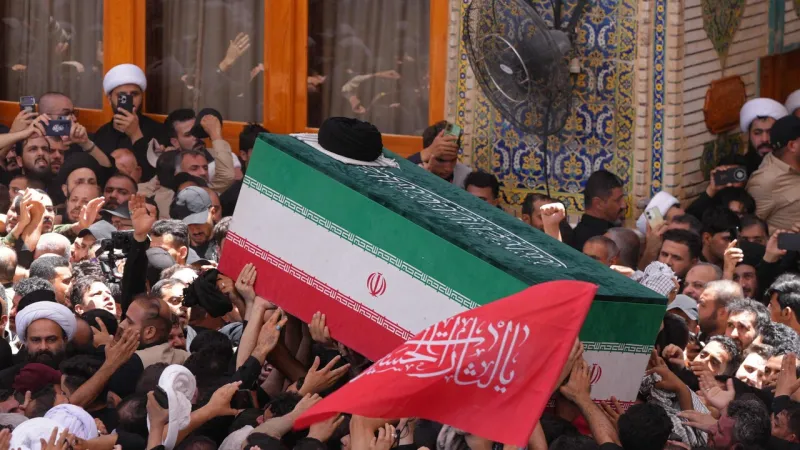
Iranian state media, in a swift retort, conveyed its leaderships outrage. Officials in Tehran maintained that the United States had unilaterally violated the terms of an unstated, yet mutually observed, period of reduced hostilities. They promised that Iran would react decisively to any further provocations, escalating fears of a direct confrontation.
The announcement follows a period characterized by renewed skirmishes and strategic posturing. Just recently, reports indicated that Iran Broadcasts Missile Strikes Targeting US Gulf Interests, actions that likely contributed to the American presidents decisive statement. These incidents collectively paint a picture of fraying restraint.
The precise nature of the truce that President Trump declared over remains a subject of international speculation. Analysts suggest it referred to an informal understanding or a de facto cessation of certain aggressive military and cyber operations, cultivated over months to prevent outright conflict. Its sudden dissolution portends significant instability.
The implications for regional stability in the Middle East are profound. Nations bordering Iran, already navigating complex security challenges, now face heightened uncertainty. The prospect of renewed US-Iran conflict could destabilize key shipping lanes, disrupt energy supplies, and ignite broader proxy battles across the Levant and Gulf.
International allies, particularly those with a vested interest in Middle Eastern security, are likely observing these developments with considerable concern. The European Union and members of NATO have consistently advocated for de-escalation and diplomatic solutions. Prime Minister Giorgia Meloni has previously urged sustainable NATO commitments amid escalating Iran crisis, highlighting the wider geopolitical impact.
Economically, the re-escalation of tensions could trigger significant volatility. Global oil markets, sensitive to geopolitical tremors in the Persian Gulf, are anticipated to react sharply. Past periods of heightened US-Iran strain have invariably led to spikes in crude prices, prompting lawmakers, such as the German Lawmaker Demands Probe As Fuel Prices Soar Post-Iran Ceasefire.
President Trump has consistently adopted a hawkish stance toward Iran throughout his presidency, viewing the nation as a primary destabilizing force in the region. His current pronouncement aligns with previous rhetoric, including strong denunciations and vows of retaliation against perceived threats.
The current declaration marks a significant turning point, effectively ending a fragile period of uneasy calm. Without a clear pathway for de-escalation, both Washington and Tehran appear poised for a heightened state of confrontation, the ultimate consequences of which remain unpredictable.
The international community now faces the urgent task of assessing this volatile situation and determining potential diplomatic avenues to avert a full-blown military engagement. The immediate future of US-Iran relations is undeniably one of escalating rhetoric and precarious geopolitical maneuvers.