 Angel Doris
BRUSSELS – The European Union is poised to unveil its most sweeping measures yet against Russia, responding to what Estonian Prime Minister Kaja Kallas has unequivocally denounced as "systematic terror" against Ukraine. This robust declaration comes as Russian forces, facing stagnated battlefield advancements, escalate their brutal assaults on Ukrainian urban centers, prompting a collective resolve within the bloc for a far-reaching response.
Prime Minister Kallas, a leading voice in European foreign policy discussions, articulated the EU's firm stance in a recent interview with WELT. She underscored the Kremlin's strategic shift from conventional ground gains to a campaign of terror targeting civilian infrastructure and populations, signaling a critical juncture in the conflict and the international community's reaction.
This planned package from Brussels is anticipated to transcend previous rounds of sanctions, aiming to cripple Moscow's war economy further and isolate the nation diplomatically. While specific details remain under wraps, officials hint at expanded financial restrictions, trade embargos, and targeted designations against individuals and entities complicit in the aggression.
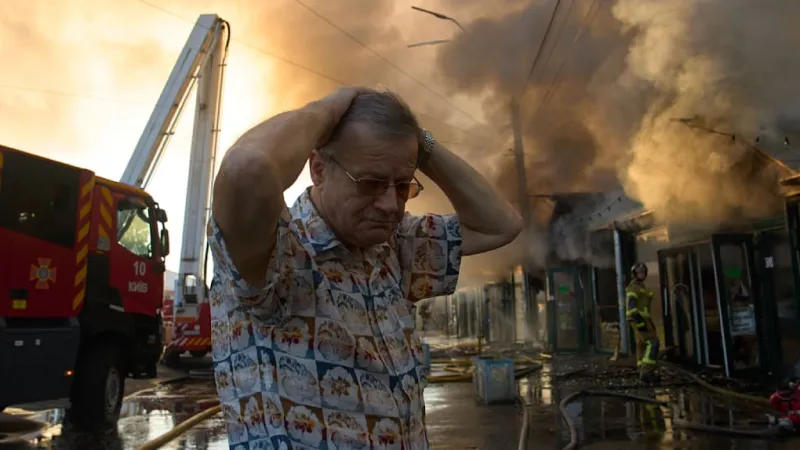
The intensification of Russian attacks on Ukrainian cities, including the relentless shelling of residential areas and critical energy facilities, serves as the immediate catalyst for the EU's escalated posture. Reports from the ground indicate a desperate strategy by Russia to break Ukrainian morale and undermine the country's ability to defend itself, as its initial military objectives largely remain unachieved.
For months, analysts have observed Russia's struggle to gain significant territorial ground, despite immense resource allocation. This operational stagnation on the front lines appears to have pushed the Kremlin towards more indiscriminate and cruel tactics, further solidifying international condemnation.
The notion of "systematic terror" employed by Prime Minister Kallas resonates deeply with European leaders who have witnessed the unfolding humanitarian catastrophe. The EU aims to send an unmistakable message that such egregious violations of international law will not be tolerated and will incur severe consequences.
Previous EU sanctions have already inflicted substantial damage on the Russian economy, leading to a significant contraction and isolation from global markets. Reports have highlighted the growing internal strain, exemplified by instances such as the Kremlin Economist Sacked for Predicting Russian Economic Collapse, indicating the Kremlin's sensitivity to economic dissent and vulnerability.
However, the enduring nature of the conflict and Russia's adaptability have spurred the EU to seek more potent instruments of pressure. The forthcoming measures are expected to target loopholes and expand sectoral restrictions, aiming to diminish Russia's capacity to finance and sustain its war machine.
Beyond economic levers, the EU is also bolstering its support for Ukraine, providing crucial military assistance, humanitarian aid, and political backing. This unwavering commitment aims to strengthen Ukraine's defensive capabilities against the renewed assaults.
The broader geopolitical landscape also plays a role in Brussels' determination. Concerns about Russia's aggressive posture extending beyond Ukraine have prompted NATO and its allies to fortify their own defenses. Recent incidents, such as NATO Jet Downs Russian Drone Amid Moscow Strikes; Europe Urges Talks, underscore the heightened tensions and the critical need for a unified Western front.
Moreover, warnings from defense strategists, including those noted in articles like Panetta Warns Russia Will Test NATO Defenses, Germany Vulnerable, have reinforced the urgency for a decisive European response to Moscow's aggression.
The consensus among EU member states regarding the need for robust action against Russia has been largely maintained, despite internal pressures and economic repercussions within the bloc. This unity is considered paramount to projecting a strong deterrent against further Russian adventurism.
This latest initiative from Brussels reflects a long-term strategy to contain Russian aggression and uphold the principles of international law and territorial integrity. The EU views the conflict in Ukraine not merely as a regional crisis but as a fundamental challenge to the global security order.
While the exact timeline for the announcement and implementation of these new measures remains fluid, the commitment from EU leadership, as articulated by Prime Minister Kallas, signals an imminent and impactful escalation. The world watches as Brussels prepares to deliver its most significant blow to the Kremlin yet.