 Angel Doris
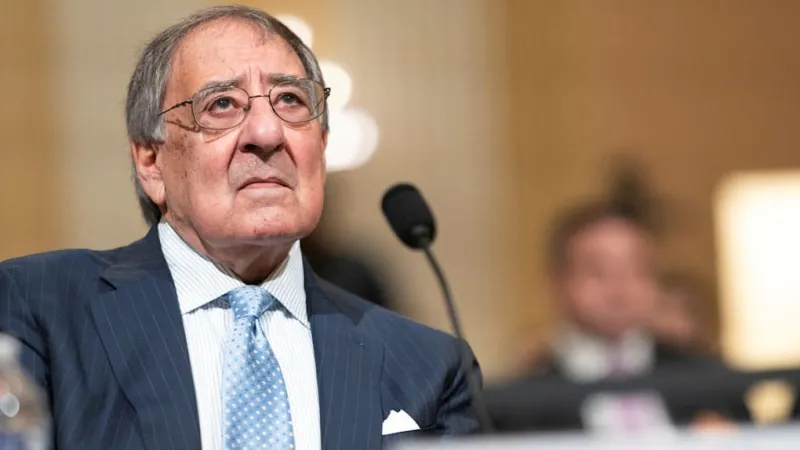
BERLIN – Former United States Defense Secretary Leon Panetta recently issued a grave warning, asserting that Russia will persist in its attempts to challenge NATO's collective defense, specifically citing the potential for direct attacks on German soil. Panetta's caution comes as he identifies the North Atlantic Treaty Organization in a precarious period of vulnerability, urging immediate strategic reinforcement.
Panetta, who previously served as Director of the Central Intelligence Agency, articulated his concerns during a recent security discourse, emphasizing Moscow's historical pattern of exploiting perceived weaknesses within Western alliances. His assessment underlines a critical juncture for European security, particularly for front-line nations like Germany.
The veteran statesman underscored that Russian aggression is not confined to its immediate borders but extends to probing the resolve and readiness of NATO member states. Germany, as a pivotal economic and military power within the alliance, represents a significant potential target for such exploratory maneuvers or even more direct provocations.
Panetta's observation of NATO's current vulnerability centers on a combination of factors, including internal political divisions, varying levels of defense spending among members, and the strategic distraction posed by other global flashpoints. This creates an environment ripe for opportunistic actions by adversaries.
Historically, Russia has demonstrated a willingness to push boundaries, employing hybrid warfare tactics, cyber intrusions, and military posturing to test the integrity of Western defenses. The warning from Panetta resonates with ongoing intelligence assessments regarding Moscow's long-term strategic objectives.
For Germany, the implications of Panetta's warning are substantial. It necessitates a renewed focus on national defense capabilities and a heightened state of alert. The country's strategic location in Central Europe makes it a crucial staging ground for NATO operations and a potential front line in any significant confrontation.
The former Defense Secretary's remarks serve as a potent call for NATO to bolster its cohesion and readiness. Strengthening collective deterrence measures, enhancing intelligence sharing, and streamlining rapid deployment forces are paramount to counter any future Russian aggression effectively.
Under President Donald Trump's administration, there has been consistent pressure on NATO allies to increase their defense spending and assume greater responsibility for collective security. Panetta's warning could further galvanize these calls, particularly concerning European contributions to defense.
Recent incidents, such as when a NATO Jet Downs Russian Drone Amid Moscow Strikes, highlight the precarious nature of the current geopolitical climate and the persistent low-level friction between the alliance and Russia. These events underscore the urgency of Panetta's cautions.
Many defense analysts echo Panetta's sentiments, pointing to ongoing military exercises by Russian forces near NATO borders and their continued presence in contested regions. These activities are widely interpreted as attempts to project power and gauge the alliance's response mechanisms.
Beyond military concerns, the potential for Russian aggression also carries significant economic implications for Germany and broader Europe. Disruptions to trade routes, cyberattacks on critical infrastructure, and heightened energy insecurity could ensue, impacting global stability.
While military preparedness is crucial, diplomatic efforts to de-escalate tensions and establish clear lines of communication with Moscow remain essential. However, such dialogues must be underpinned by a strong and unified NATO posture to be effective.
Germany's domestic preparedness, from civil defense to cybersecurity, also becomes a critical component of its resilience against potential threats. Investment in these areas is crucial to safeguard national interests and public safety.
Panetta's stark warning reinforces the reality that the post-Cold War security architecture faces significant challenges. The imperative for NATO to present a unified and robust front against evolving threats from Russia has never been more pressing.