Robert Andrison
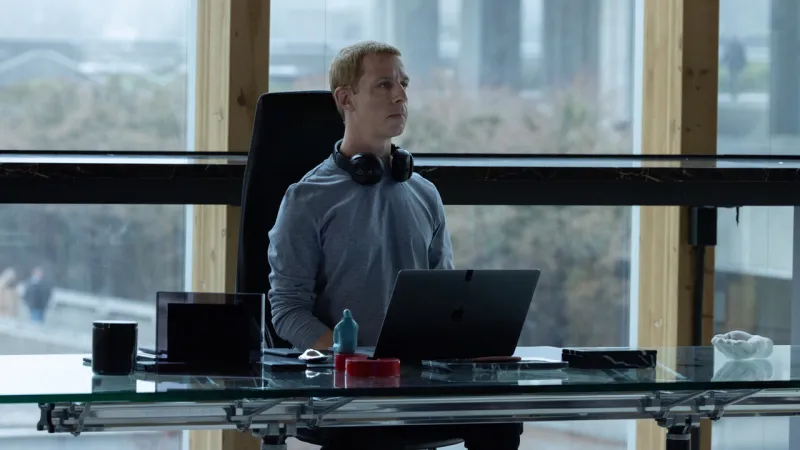
A compelling new film offers a critical lens into the digital realm governed by Meta CEO Mark Zuckerberg, presenting him as a cold and despotic figure wrestling with a public square increasingly consumed by hatred. The cinematic production, helmed by director Strong, delves into the pervasive issues of content moderation and the societal impact of expansive social platforms.
This latest artistic endeavor resurrects public discourse around the complex role Zuckerberg plays as the architect of Facebook and Meta's vast ecosystem. The portrayal challenges conventional narratives, emphasizing the immense power concentrated in the hands of a single individual overseeing global communication arteries.
The film reportedly characterizes Zuckerberg as glacially detached, a disposition that, within the context of the platforms myriad controversies, invites viewers to question the human element in digital governance. This depiction follows a long tradition of cinematic interpretations of powerful tech figures, often exploring the moral ambiguities of their innovations.
Central to the film's narrative is the concept of the social media platform as a modern public square, a notion Zuckerberg himself has often invoked. However, the film scrutinizes this ideal against the stark reality of rampant misinformation, harassment, and organized hate speech that frequently permeates these digital spaces.
Director Strong's vision is said to unflinchingly highlight the stark contrast between the utopian ideals once envisioned for connected communities and the harsh realities of content moderation in an era of rapid information dissemination. The title of czar, metaphorically ascribed to Zuckerberg, suggests an almost absolute authority over these digital domains.
The challenges faced by Meta, specifically Facebook, regarding the proliferation of harmful content are well-documented. From political polarization to campaigns of online abuse, the platform continuously grapples with balancing free expression against the imperative to maintain a safe environment for its billions of users.
The new film is expected to rekindle debates surrounding accountability within major tech corporations. It prompts questions about who bears ultimate responsibility for the content that flows through these networks and the mechanisms through which that accountability can be enforced.
Observers of the tech industry note that such a pointed portrayal arrives at a time of heightened regulatory scrutiny worldwide. Governments and international bodies are increasingly examining the power and influence of tech giants, exploring legislative measures to address privacy concerns, monopolistic practices, and content governance.
The cinematic exploration also resonates with broader cultural discussions about the future of technology and its impact on human society. As explored in various media, including vodcasts like Bar Futuro Vodcast Charts Tomorrow's Tech and Culture Landscape, the intersection of tech, culture, and ethics remains a dominant theme of our era.
While the film is a dramatic interpretation, it draws upon widely reported incidents and ongoing dilemmas facing Meta. The underlying tension between innovation and ethical responsibility, between global connectivity and localized harms, serves as a powerful backdrop for Strong's work.
This new look at Zuckerberg and his empire undoubtedly aims to provoke thought, compelling audiences to consider the unintended consequences of rapidly advancing technology and the individuals who steer its course. It adds a significant voice to the ongoing global conversation about the power and perils of social media.