 Stefani Rindus
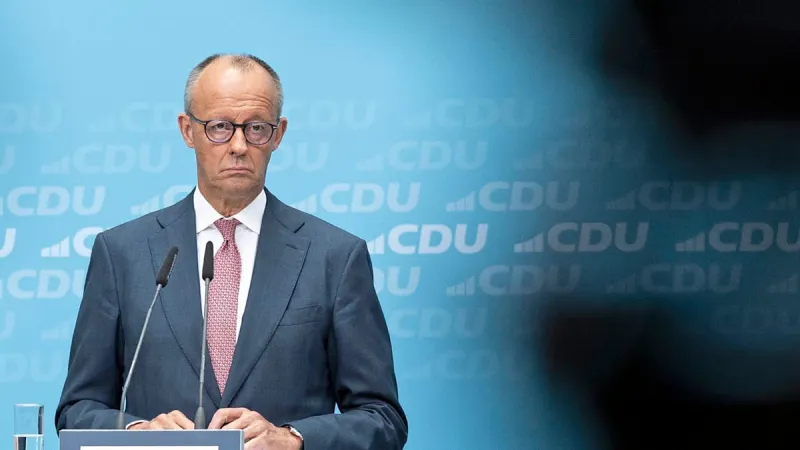
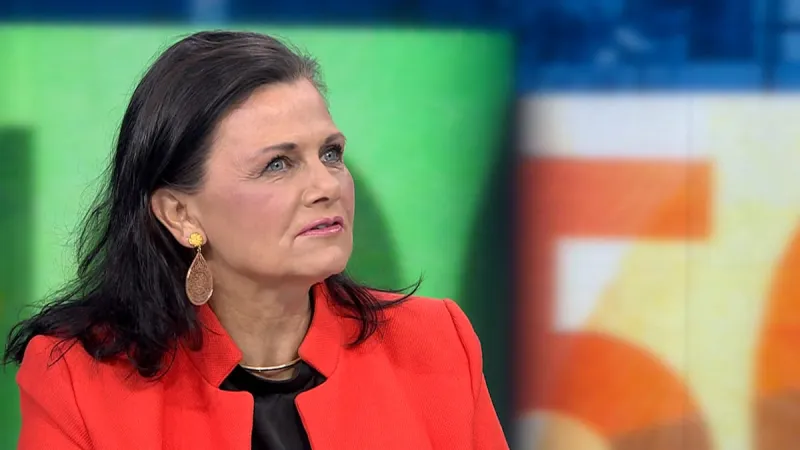
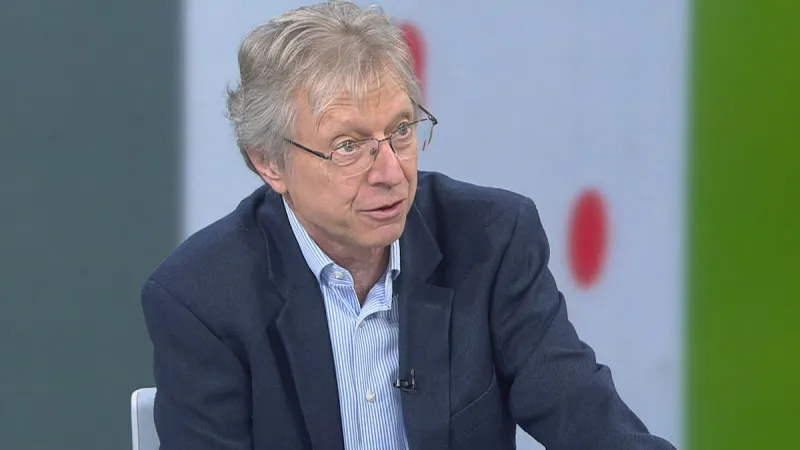
BERLIN – Friedrich Merz, a prominent figure in German politics, confronts what political scientist Andrea Rommele describes as a "clear credibility problem." Rommele asserts that without articulating a persuasive vision for essential reforms, Merz risks exacerbating public dissatisfaction across the nation. The ongoing political landscape demands decisive leadership to navigate potential unrest, prompting Rommele to emphasize the urgent need for the politician to "show a way forward."
Professor Rommeles assessment, delivered amidst ongoing scrutiny of Germanys political leadership, underscores growing concerns within the Christian Democratic Union (CDU) and among the wider electorate. Her expertise in German and European politics lends significant weight to this analysis, highlighting a crucial juncture for Merzs political standing.
Germany grapples with several pressing issues, ranging from economic stagnation to social cohesion challenges. The call for comprehensive reforms resonates deeply, yet a clear roadmap from key political actors remains elusive, contributing to the perception of a vacuum at the top.
Public sentiment has shown signs of increasing frustration, often fueled by a perceived lack of direction from the countrys political establishment. Rommeles warning suggests that this discontent could intensify if Merz fails to present a coherent and actionable plan for the future.
This latest critique echoes sentiments expressed earlier regarding Merzs leadership. Analysts have previously cautioned that Merz leadership is crucial for German and European stability, highlighting the high stakes involved in his political trajectory.
A compelling vision is not merely about policy proposals but about inspiring confidence and unity. Rommeles observation points to a deficiency not just in specific reform ideas, but in the overarching narrative Merz presents to the German populace.
The struggles faced by the CDU itself, particularly after recent electoral setbacks, magnify the pressure on Merz. The party has encountered a deepening chancellor problem after dual election failures, putting Merzs position under considerable scrutiny and requiring a strong, unifying hand.
Without a renewed sense of purpose and clear direction, the political void could be filled by populism or further fragmentation, jeopardizing Germanys role both domestically and on the international stage. The nation requires a leader capable of transcending internal party politics to address national priorities.
Rommele insists that Merz must actively demonstrate "a way forward," implying a need for tangible initiatives and transparent communication that can reassure a skeptical public and galvanize support for necessary changes.
The political scientist emphasizes that this is not solely a party-specific issue but one with broader implications for Germanys stability. Effective leadership from figures like Merz is paramount for the nations continued strength and influence within the European Union and beyond.
Historically, German leaders have risen to prominence by effectively communicating a clear path through periods of uncertainty. The current situation demands a similar blend of pragmatic solutions and an inspiring narrative to foster national consensus.
While the challenges are significant, some within the CDU have publicly supported Merz. For instance, CDU veteran Roland Koch backed Merz amidst leadership scrutiny, suggesting that not all party members share the same degree of concern regarding his authority. However, Rommeles assessment highlights a more systemic issue.
The clock is ticking for Merz to solidify his standing. His capacity to articulate a vision that resonates with a broad spectrum of German society will determine not only his political future but also the trajectory of his party and potentially the nation.
The upcoming months will prove critical as Germany anticipates concrete proposals and a more defined strategy from its political figures. The call from academia for decisive leadership underscores the profound need for stability and forward momentum.