 Chris Robert
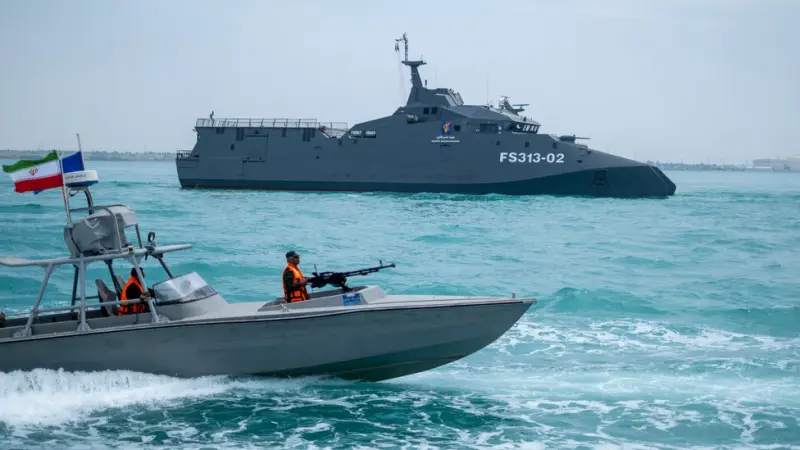
DUBAI — Regional tensions escalated sharply today as Iran issued a stern warning to the United States Navy regarding its presence in the strategically vital Strait of Hormuz, hours after the United Arab Emirates successfully intercepted multiple hostile missiles launched towards its territory. The twin incidents underscore a volatile security landscape in the Persian Gulf, a crucial conduit for global oil supplies.
The Iranian Revolutionary Guard Corps (IRGC) Navy delivered its admonition through state media, asserting that any perceived encroachment by American naval forces into what it considers its “areas of influence” would face a decisive response. This declaration follows reports of increased US Fifth Fleet patrols in the international waters bordering Iran's coastline.
Simultaneously, air defense systems across the United Arab Emirates thwarted a sophisticated missile attack, preventing potential casualties and damage. UAE defense officials confirmed the interceptions, stating the missiles were “of hostile origin” and were successfully neutralized before reaching their intended targets, primarily urban areas.
While specific perpetrators of the missile attack were not immediately identified, regional analysts quickly pointed to recent increases in proxy group activities. Such attacks routinely destabilize efforts towards de-escalation and often carry the hallmarks of state-sponsored non-state actors operating within the broader Middle East.
The Strait of Hormuz, a narrow waterway between Iran and Oman, is paramount for international shipping, with approximately one-fifth of the world's total petroleum consumption passing through its choke point. Disruptions here invariably ripple through global energy markets, prompting immediate concerns among international observers.
The United States Central Command, which oversees American military operations in the region, acknowledged the elevated tensions but reiterated its commitment to upholding freedom of navigation in international waters. A spokesperson for the Fifth Fleet, headquartered in Bahrain, stated that US naval assets would continue their mandated patrols to ensure regional stability.
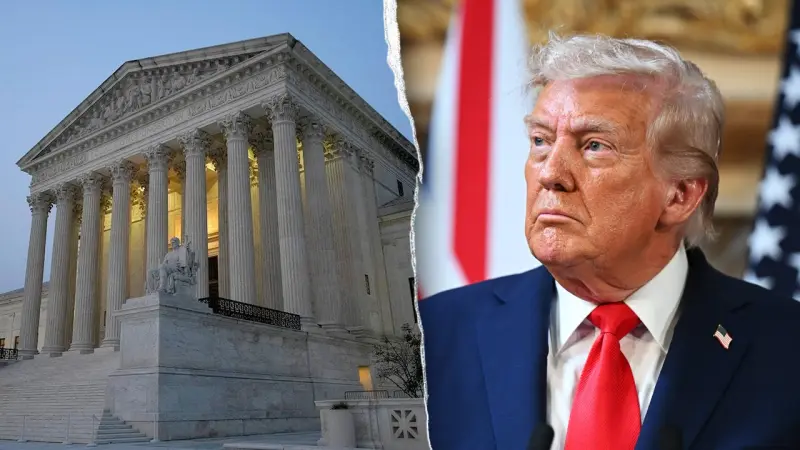
These developments place renewed focus on the foreign policy agenda of President Donald Trump's administration regarding Iran. President Trump has consistently advocated for a robust stance against Tehran's regional activities, and the current events are likely to prompt further diplomatic and possibly military considerations from Washington.
Diplomatic circles in Riyadh and Abu Dhabi have expressed deep concern over the escalating rhetoric and military actions. Officials from the Gulf Cooperation Council (GCC) nations privately voiced apprehension that a miscalculation by any party could ignite a broader conflict with devastating consequences for the entire region.
The latest incidents echo previous confrontations in the Strait of Hormuz and surrounding waters, which have seen tankers attacked and drones shot down. Each occurrence has historically contributed to a cycle of escalation that leaders across the globe have sought to mitigate, often with limited success.
Energy market analysts noted a marginal uptick in crude oil futures following news of the Iranian warning and the UAE interceptions. While not a dramatic surge, the market reaction reflects underlying anxieties about the security of supply lines, emphasizing the geopolitical premium placed on stability in the Gulf.
International calls for de-escalation have already begun, with the United Nations Secretary-General urging all parties to exercise maximum restraint and engage in constructive dialogue. The European Union also issued a statement, emphasizing the critical importance of maritime security and the peaceful resolution of disputes.
Security experts suggest that the timing of Iran's warning might be a strategic move to test the resolve of the international community and President Trump's administration following recent internal political shifts. The precision of the UAE's defense response, however, demonstrates significant advancements in regional aerial defense capabilities.
This current standoff represents a critical juncture for regional diplomacy. The intricate web of alliances and rivalries in the Middle East means that even seemingly isolated incidents can quickly escalate, requiring delicate and carefully considered responses from all involved parties to prevent wider instability.