 Angel Doris
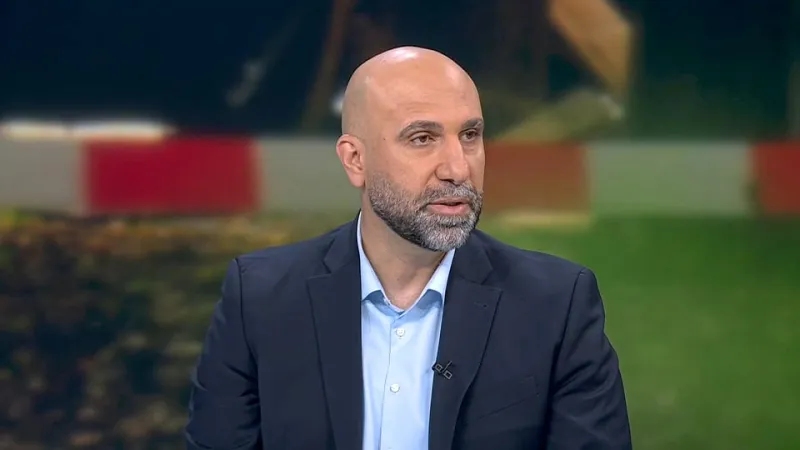
BERLIN — Prominent Islam expert and WELT columnist Ahmad Mansour has issued a grave warning regarding the accelerating radicalization of young people, primarily in Germany. Mansour, who vividly recalls his own radicalization at age 13, sharply criticized political leaders and Muslim organizations for their perceived inertia and insufficient commitment in confronting this pressing societal threat. He urged for more vocal and decisive action, stating, "We should be louder and show attitude."
Mansour's personal journey lends significant weight to his advocacy. Having experienced radicalization during his formative years, he possesses an intimate understanding of the vulnerabilities and psychological pathways that can draw young individuals into extremist ideologies. This lived experience informs his urgent appeals for proactive and robust intervention strategies.
The expert highlighted a discernible pattern of increasing susceptibility among adolescents to extremist narratives, ranging from Islamist fundamentalism to right-wing extremism. He pointed to factors such as social alienation, identity crises, and the pervasive influence of online echo chambers as fertile ground for such radicalization processes.
A key focus of Mansour's critique was directed at the political establishment. He argued that German policymakers have largely failed to develop and implement a cohesive national strategy to counter youth radicalization effectively. This perceived lack of strategic foresight manifests in insufficient funding for preventative programs and a reluctance to address uncomfortable truths about societal integration.
His condemnation extended to numerous Muslim associations, which he accused of lacking the necessary courage and transparency to actively confront radical elements within their own communities. Mansour suggested a hesitancy to engage in critical self-reflection and an avoidance of direct dialogue concerning extremist interpretations of faith, hindering genuine progress.
The urgency of Mansour's message resonates particularly in the context of recent discussions within German politics. Debates surrounding integration policies and the role of religious communities have gained renewed prominence, often accompanied by strong public sentiment. This expert insight adds a critical dimension to these ongoing national conversations.
He emphasized that the fight against radicalization demands more than symbolic gestures. It requires sustained engagement, robust educational initiatives, and a willingness to challenge extremist narratives directly, even when it means confronting difficult internal conversations within communities.
Mansour underscored the profound societal repercussions if these warnings are left unheeded. Unchecked radicalization threatens to exacerbate social fragmentation, erode trust between communities, and potentially compromise national security. The long-term stability of Germany's diverse society hinges on addressing these foundational issues.
The sentiment expressed by Mansour echoes broader criticisms leveled at the German political landscape concerning decisive action on complex societal challenges. For instance, the ongoing discourse regarding Germany's economic challenges and political accountability often highlights public demand for more resolute leadership.
His call for individuals and institutions to be "louder and show attitude" serves as a direct challenge to what he perceives as a pervasive culture of complacency. This involves actively countering hate speech, promoting democratic values, and fostering environments where critical thinking can thrive, shielding young minds from extremist recruitment.
Preventative measures, according to Mansour, must begin early, ideally within educational settings and family structures. Early detection of warning signs, coupled with access to support networks and counseling, could prove pivotal in diverting at-risk youth from radical paths.
He advocated for a multi-faceted approach, integrating insights from sociology, psychology, and theology to understand the complexities of radicalization. Such an interdisciplinary effort would foster more effective interventions tailored to specific contexts and individual needs.
Ultimately, Mansour's impassioned plea serves as a potent reminder that the battle against radicalization is a collective responsibility. It requires unwavering commitment from government, religious institutions, civil society organizations, and individual citizens to protect the most vulnerable members of society from harmful ideologies.