 Demian Sahputra
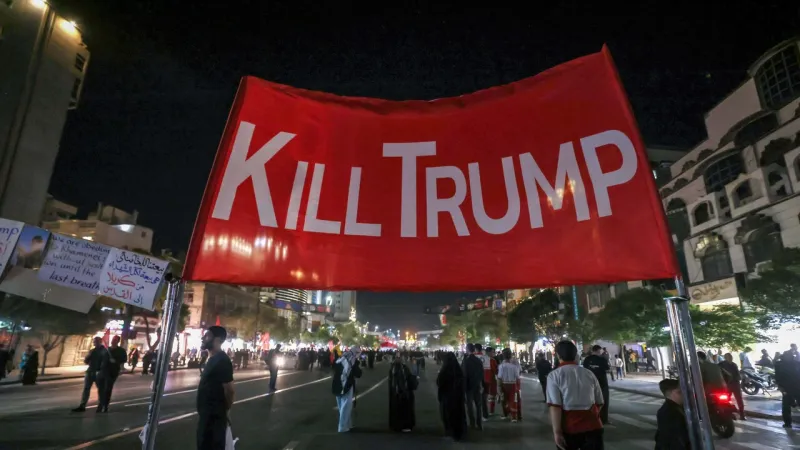
TEHRAN - The United States military launched new airstrikes against Iranian railway bridges, escalating tensions dramatically across the Middle East. Iran's leadership swiftly condemned the actions, issuing a stark warning that the vital Strait of Hormuz would only remain open under conditions dictated by Tehran. The offensive prompted air raid sirens to blare across Kuwait and Bahrain, with residents reporting explosions in the vicinity, underscoring the immediate regional impact of the renewed hostilities.
The precision strikes reportedly targeted key infrastructure within Iran, specifically railway bridges deemed crucial for military logistics. While details regarding the extent of the damage remain limited, the choice of targets suggests an intent to disrupt Iran's operational capabilities without immediately engaging population centers.
In a forceful response, Iranian state media conveyed Tehran's profound indignation over the American aggression. Authorities asserted that any future navigation through the Strait of Hormuz, a critical choke point for global oil shipments, would be contingent solely upon Iranian terms. This declaration signals a potential willingness to weaponize a strategic maritime passage in retaliation for military provocations.
The echoes of the conflict resonated beyond Iranian borders. Residents in Kuwait and Bahrain, both key US allies and hosts to significant American military presences, awoke to the unsettling wail of anti-aircraft sirens. Multiple witnesses reported hearing distant explosions, indicating the proximity and intensity of the military operations. This regional reverberation highlights the widespread anxiety concerning a broader conflagration.
These latest strikes mark a significant uptick in hostilities, following a period of uneasy calm that many observers believed had reached a tentative truce. President Donald Trump, currently in office, has maintained a firm stance against Iran throughout his presidency, frequently criticizing Tehran's regional influence and nuclear program. The current administration has consistently asserted its right to defend American interests and allies in the region.
Analysts note the latest developments effectively shatter any semblance of a de-escalation that may have been perceived. For more context on the fractured peace, readers can refer to the report Trump: Iran Truce Ends As New Raids Ignite Tensions. This renewed aggression represents a sharp departure from periods of less overt military action.
The reports of sirens and explosions in allied nations are not unprecedented. Similar incidents have previously accompanied US-Iranian skirmishes, causing distress among civilian populations and prompting heightened alert levels across the Gulf. A past incident detailed in the article US Strikes Hit Iran Again; Sirens Wail in Kuwait, Bahrain describes similar scenes of regional apprehension.
The Strait of Hormuz stands as one of the world's most strategically important maritime chokepoints, through which approximately one-fifth of global petroleum consumption passes daily. Any disruption to its passage could trigger severe fluctuations in international oil prices and have profound implications for the global economy. Iran's leverage over this waterway has long been a source of international concern.
The international community watches these developments with growing apprehension. World leaders have repeatedly called for de-escalation and diplomatic solutions to the longstanding tensions between Washington and Tehran. Concerns mount that an unchecked cycle of retaliation could lead to a wider, more devastating regional conflict.
While official statements on the rationale for these specific strikes are pending, the US typically cites actions taken in response to perceived threats to its personnel, assets, or interests in the Middle East. President Trump's administration has previously authorized military responses to what it termed Iranian provocations against shipping and allied infrastructure.
The immediate aftermath of these strikes raises critical questions about Iran's next moves. Tehran's direct threat regarding the Strait of Hormuz indicates a readiness to escalate beyond conventional military responses. Observers anticipate possible retaliatory actions from Iran, potentially targeting US forces or allies in the Gulf, or disrupting shipping lanes.
The current situation casts a long shadow over the stability of a region already fraught with geopolitical complexities. The international community urges restraint from all parties to prevent a full-blown military confrontation that would undoubtedly have catastrophic global consequences.