 Chris Robert
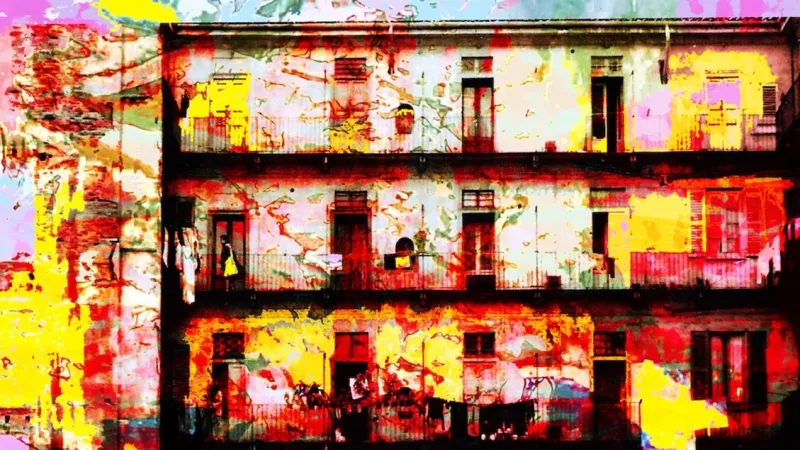
Italy is set to captivate art enthusiasts and history aficionados alike this weekend with a diverse array of new exhibitions opening across the nation. From groundbreaking modernist art and powerful political portraiture to profound explorations of classical mythology, cultural institutions are showcasing a rich tapestry of human expression and historical narrative.
Highlighting the breadth of these offerings, the city of Jesi will host a distinctive exhibition centered on a portrait of Fidel Castro, providing a unique lens into political history through art. Simultaneously, the coastal town of Caorle is dedicating its cultural space to the dynamic and influential movement of Futurism.
Further enriching Italy's cultural landscape, other significant exhibitions are expected to feature the monumental works of Mexican muralist Diego Rivera, whose art profoundly shaped the 20th century. Complementing these modern spectacles are immersive displays delving into the enduring myths of ancient Rome and Troy, demonstrating Italy's deep connection to its classical roots.
The exhibition in Jesi, focusing on the portrayal of Fidel Castro, offers a compelling exploration of iconography and power. Such artistic renditions often serve as historical documents, reflecting political climates and societal perceptions of influential figures, inviting public discourse on their legacies.
In Caorle, the embrace of Futurism marks a celebration of a movement born on Italian soil. Futurism, characterized by its fervent admiration for speed, technology, youth, and violence, radically transformed the art world in the early 20th century, seeking to encapsulate the dynamism of modern life. This exhibition promises to present key works from its pioneering artists.
The anticipated Diego Rivera exhibition, though specific venue details are not yet universally announced, underscores the international reach of Italy's cultural programming. Rivera, renowned for his large-scale murals depicting Mexican society, history, and the struggles of the working class, remains a towering figure in global art, his works resonating with themes of social justice and national identity.
Elsewhere, the allure of antiquity continues to draw visitors with exhibitions dedicated to the myths of Rome and Troy. These narratives, fundamental to Western civilization, explore universal themes of heroism, tragedy, love, and betrayal, captivating audiences through ancient sculptures, frescoes, and contemporary interpretations.
These collective cultural presentations affirm Italy's enduring role as a global epicenter for art and history. The strategic curation of diverse periods and themes ensures a broad appeal, attracting both local visitors and international tourists seeking profound cultural engagement.
The selection of exhibitions, spanning from revolutionary artistic movements like Futurism to the timeless sagas of classical mythology, illustrates a concerted effort by Italian institutions to offer educational and aesthetically rich experiences. They serve not only as repositories of culture but also as vibrant platforms for dialogue and discovery.
As patrons prepare to explore these varied showcases this weekend, the emphasis remains on the transformative power of art. Each exhibition, in its unique way, invites introspection, provokes thought, and connects contemporary audiences with the past, present, and the potential of human creativity. These Italian exhibitions continue to reinforce the nation's status as an unparalleled cultural custodian.
This rich program demonstrates that Italy remains at the forefront of global cultural discourse, continually offering new perspectives on art, history, and the human condition. The nation's commitment to presenting both its profound heritage and groundbreaking international movements ensures a vibrant, evolving cultural tapestry for all.