 Dorry Archiles
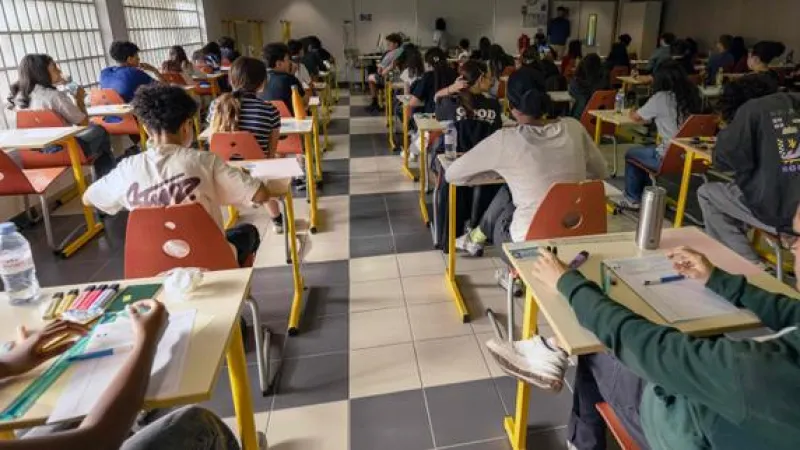
PARIS - Concerns over the persistent decline in French language proficiency, particularly written orthography, have intensified following recent declarations by National Education Minister Edouard Geffray regarding the baccalaureate requirements for 2026. Esteemed linguist Patrick Charaudeau published a compelling tribune in "Le Monde," openly questioning the underlying causes of these growing difficulties among French citizens.
Minister Geffray's mid-May announcements set specific, elevated expectations for orthography standards in the upcoming 2026 baccalaureate examinations. This move reignited a perennial national debate about the state of French language education and its broader societal implications, placing a renewed focus on foundational academic skills.
Charaudeau, a prominent scholar in discourse analysis and communication, articulated a widely held sentiment within his "Le Monde" piece. He asserted that "the difficulties of written French are no mystery to anyone," acknowledging the prevalent perception of linguistic erosion across various demographics.
His inquiry delves beyond mere observation, aiming to unearth the deeper pedagogical, cultural, and sociological factors contributing to what many perceive as a generational decline in mastery of the national language. This calls for a holistic examination of how French is taught and consumed.
Observers note that while the French education system often champions rigorous academic standards, the specific challenges in orthography suggest potential disconnects in current teaching methodologies or curriculum design. The discussion extends to resource allocation and teacher training for language instruction.
The societal ramifications of diminished language skills are significant, affecting professional communication, academic performance, and even civic engagement. A strong command of language is widely considered fundamental to critical thinking and effective expression in a democratic society.
Previous governmental efforts to bolster French language education have yielded mixed results. Initiatives ranging from revised curricula to specialized pedagogical programs have been implemented over decades, yet the perceived struggles persist, prompting ongoing reevaluation.
The advent of digital communication, including social media platforms and instant messaging, has also been cited as a potential accelerant for casualization of language. While offering new forms of expression, these platforms can, at times, de-emphasize formal grammatical and orthographic rules.
The baccalaureate, often considered the gateway to higher education and a symbol of academic achievement in France, holds immense symbolic weight. Its role in upholding national educational standards makes any adjustment to its requirements a subject of intense national scrutiny and public interest. The French Assembly recently passed a School Safety Bill, highlighting broader legislative engagement with educational institutions. French Assembly Passes School Safety Bill.
This discourse extends beyond academic circles, resonating with parents, employers, and cultural institutions alike. The national identity, deeply intertwined with the French language, adds another layer of gravity to discussions surrounding its preservation and evolution.
As the 2026 baccalaureate approaches, the spotlight remains firmly on both the challenges facing French language skills and the strategic interventions required to reverse current trends. The nation watches to see how these elevated standards will reshape educational priorities and student outcomes.
The debate underscores a fundamental question: how can France ensure that its future generations maintain a robust command of a language celebrated globally for its precision and richness, especially in an increasingly interconnected and digitally driven world?