 Edward DP Situmorang
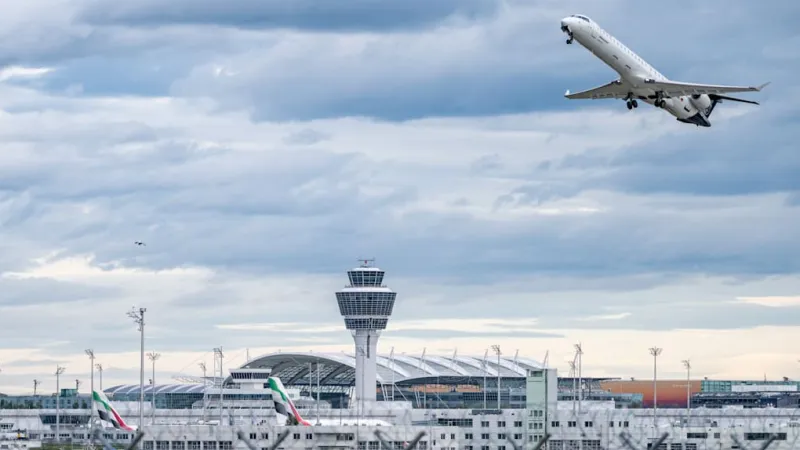
Munich Airport operations faced significant disruption earlier today after a fire reportedly broke out within the crucial air traffic control tower, leading to the partial grounding of flights and widespread travel chaos, according to initial media reports. The incident has halted numerous departures and arrivals at one of Europe's busiest aviation hubs, leaving thousands of passengers stranded.
The precise cause of the blaze, which occurred at an unspecified time, remains unknown. However, multiple German media outlets consistently reported the fire's location within the tower, a critical nerve center for airport operations. This development immediately triggered an emergency response from local authorities and airport fire brigades, which quickly converged on the scene.
Air traffic control, vital for the safe management of aircraft movements, relies heavily on the infrastructure housed within the tower. Any compromise to this facility directly impacts the airport's capacity to handle flights. As a precautionary measure, officials initiated a partial shutdown of flight operations, prioritizing passenger and staff safety above all else.
Witness accounts and social media posts, though unverified by official sources, depicted smoke emanating from the tower structure, intensifying public concern. The immediate priority for emergency crews focused on containing the fire and ensuring no personnel were at risk within the affected area. Details regarding potential injuries or the extent of structural damage are not yet public.
Travelers bound for Munich or scheduled to depart from the airport experienced immediate delays and cancellations. Airline carriers operating out of the hub swiftly began advising passengers to check their flight status before heading to the airport. The ripple effect of the partial shutdown is expected to extend beyond Germany's borders, impacting European air travel networks.
Airport management has not yet issued a comprehensive official statement beyond confirming operational disruptions at Munich Airport. However, preliminary reports suggest that alternative air traffic control measures or contingency plans are being evaluated to restore services as safely and quickly as possible once the situation is under control and assessed.
The air traffic control tower is a highly sensitive and secure facility, housing sophisticated radar, communications, and navigation equipment essential for guiding aircraft. A fire in such a location raises serious questions about the integrity of these systems and the potential for long-term operational impact, even after the immediate emergency subsides.
Investigators will undoubtedly launch a thorough inquiry into the circumstances surrounding the blaze at Munich Airport. Such an investigation will aim to determine the fire's origin, whether it was accidental or otherwise, and evaluate the effectiveness of the airport's safety protocols and emergency response mechanisms. This comprehensive review is crucial for preventing future occurrences.
The incident underscores the inherent vulnerabilities of critical infrastructure and the cascading effects disruptions can have on modern transportation systems. For passengers caught in the disruption, the focus remains on alternative travel arrangements and updated information from their respective airlines. The airport typically serves millions of passengers annually, connecting diverse international routes.
While the immediate operational focus remains on extinguishing the fire and safeguarding personnel, the long-term implications for Munich Airport's schedule and reputation are considerable. Full restoration of normal flight operations could take time, depending on the damage sustained by the tower's crucial equipment. Further updates are anticipated as emergency services continue their work and official statements become available.
This event serves as a stark reminder of the complexities involved in maintaining seamless and secure air travel. Authorities are coordinating efforts to mitigate the inconvenience for travelers and ensure the swift and safe resumption of services once feasible, emphasizing a cautious and methodical approach to an unprecedented incident at a major European hub.