 Dodi Irawan
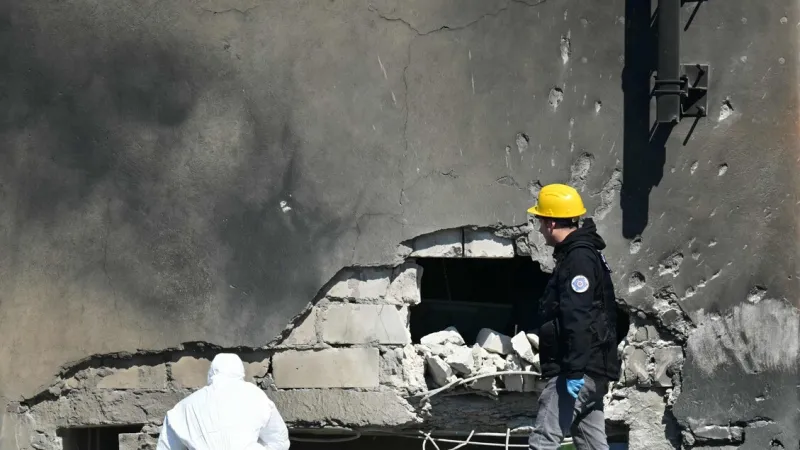
BUCHAREST – A drone strike on Romanian territory has dramatically escalated tensions in Eastern Europe, drawing a swift diplomatic rebuke from Bucharest and a provocative assertion from Russian President Vladimir Putin. The incident, occurring amidst heightened regional instability in 2026, prompted Romania to declare a Russian consul persona non grata, while Putin stated, "It could be Ukrainian."
The Kremlin's stance further inflamed an already volatile situation. Putin's speculative remark, suggesting potential misattribution, came as Dmitry Medvedev, a prominent Russian security official, issued a stark warning to European Union citizens, asserting that "vigilance" was paramount and that "peaceful sleep is over."
Details surrounding the drone strike remain under investigation by Romanian authorities. While the exact target and extent of damage were not immediately disclosed, the mere penetration of Romanian airspace, a NATO member nation, represents a significant breach of sovereignty and a potential trigger for broader international concern.
Romania's foreign ministry wasted no time in condemning the incident, viewing it as a direct threat to its national security and a flagrant disregard for international law. The expulsion of a Russian consul from Bucharest underscores the gravity with which the incident is being treated within diplomatic circles.
Medvedev's ominous declaration to EU citizens serves as a grim reminder of the ongoing geopolitical friction stemming from the protracted conflict in Ukraine. His words, delivered with a characteristic tone of assertive warning, suggest a perceived shift in the European security landscape.
President Putin's suggestion that the drone "could be Ukrainian" introduces a layer of complexity and potential disinformation into the narrative. Such statements are frequently employed by various state actors to sow doubt and complicate investigations into cross-border incidents.
As a member of the North Atlantic Treaty Organization, Romania's territory is under the collective defense umbrella of Article 5. Any confirmed aggression against its borders carries profound implications for the entire alliance, necessitating careful diplomatic navigation and robust security assessments.
This latest development adds to a series of escalating incidents across the region. Concerns about inadvertent spillover from the ongoing conflict in Ukraine have been a persistent theme among European leaders, who consistently call for de-escalation and respect for territorial integrity. Similar incidents have prompted strong condemnations, such as when Russian drone strikes hit Romania, with Italian Prime Minister Meloni decrying a grave European security threat, and prior reports detailed Russian drone strikes impacting a Romanian high-rise, injuring civilians.
Incidents involving drones or missile fragments landing on NATO territory have occurred previously, often attributed to the ongoing conflict. However, each new occurrence heightens alarm and prompts renewed calls for stricter adherence to international humanitarian law and airspace protocols.
The international community watches these developments closely, with many nations urging restraint and a thorough, impartial investigation into the origins and intent behind the drone strike. Diplomatic efforts are likely underway to prevent further escalation and ensure regional stability.
The declaration of the Russian consul as persona non grata signals a further deterioration in bilateral relations between Romania and Russia. This diplomatic rupture highlights the deepening chasm between Moscow and several European capitals over security concerns.
This event reinforces the growing anxieties within the European Union regarding its collective security posture. Discussions around strengthening border defenses and enhancing intelligence sharing are expected to gain renewed urgency in the wake of such direct threats to member state territories.