Angela Stefani
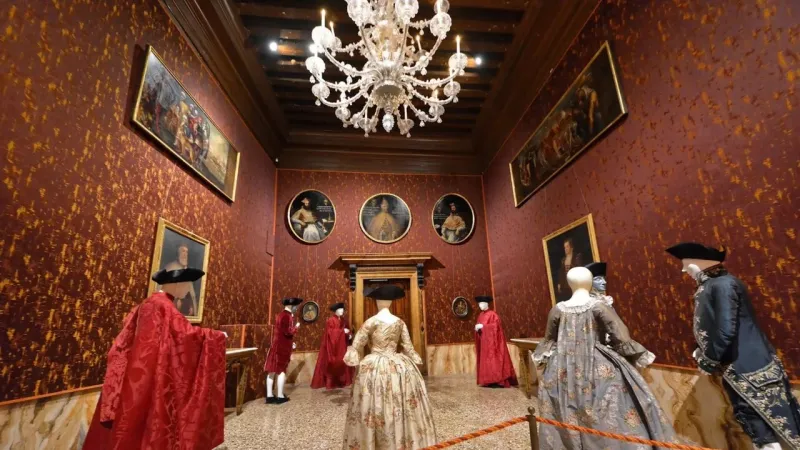
ROME – Italy is once again embracing its profound sartorial legacy with the return of the National Day of Historic Garments, a month-long cultural celebration set to unfold from November 11 to December 11. This annual event dedicates itself to preserving and showcasing the nation's rich heritage in clothing design and craftsmanship, transforming historic villages, renowned museums, and vibrant artisan workshops across the country into dynamic stages for fashion history.
The widespread initiative, known in Italian as Giornata Nazionale degli Abiti Storici, transcends mere observation, presenting a rich tapestry of experiences. From northern Lombardy to the southern reaches of Puglia, communities are preparing to host events that collectively underscore the nation's deep-rooted connection to its fashion past.
Central to the celebration are the elaborate period costume parades, where models and enthusiasts don meticulously recreated attire spanning from the Roman Empire to the Belle Époque. These visual spectacles bring history to life, offering glimpses into the styles and societal norms of bygone eras.
Concurrently, dozens of museums and cultural institutions will unveil special exhibitions, often featuring rare garments previously unseen by the public, alongside historical textiles and accessories. These displays are frequently accompanied by scholarly analyses that place the clothing within broader artistic and historical contexts.
Interactive workshops form another cornerstone of the program, offering participants hands-on opportunities to learn traditional sewing, embroidery, and fabric dyeing techniques. These sessions are crucial for transmitting ancestral skills to new generations, ensuring their continuity.
These practical learning experiences are complemented by scholarly meetings and public conferences where historians, costume designers, and textile experts discuss the evolution of Italian fashion and its cultural significance. Such gatherings foster intellectual engagement and deeper understanding.
The involvement of local artisans is particularly crucial. Many traditional botteghe, or workshops, specializing in textiles, tailoring, and accessory creation will open their doors, demonstrating ancestral skills passed down through generations. These living museums of craft play an indispensable role in maintaining Italy's global reputation for quality and design.
Beyond entertainment, the National Day serves a vital educational purpose. It aims to instill in younger generations an appreciation for the historical context, the meticulous craftsmanship, and the societal narratives woven into every thread of a historic garment. This focus reinforces the idea that fashion is a powerful historical document.
This national event reinforces Italy's cultural identity on a global stage, distinguishing it not just as a contemporary fashion capital but also as a guardian of sartorial history. It acts as a significant draw for cultural tourism, inviting visitors to explore Italy's lesser-known historical sites through the lens of fashion.
The diversity of Italy's regions ensures a varied program. Each locale contributes its unique historical fashion narratives, reflecting distinct local traditions, available materials, and the influences of various historical periods, from medieval city-states to Renaissance courts and Baroque splendor.
The celebration of historic garments fits within a broader global movement to preserve tangible cultural heritage. It shares a spirit with efforts to maintain unique urban landscapes and their stories, similar to how Bo-Kaap in Cape Town preserves its vibrant history through its iconic colorful homes.
Universities, fashion academies, and state archives lend their expertise, contributing research and resources to ensure the historical accuracy and scholarly depth of the presentations. This collaboration elevates the event beyond a mere spectacle to a respected academic endeavor.
For many small towns and cultural institutions, the National Day offers a welcome economic stimulus. Increased visitor traffic translates into support for local businesses, restaurants, and accommodations, further integrating the cultural event with regional economic development.
In an era dominated by fast fashion, the event subtly promotes a message of sustainability. By highlighting the longevity, quality, and often repurposed nature of historical attire, it encourages a more thoughtful approach to clothing consumption and production.
As the National Day of Historic Garments commences, Italy once again demonstrates its profound respect for its past and its unwavering commitment to ensuring that the stories woven into its fabrics continue to inspire and educate future generations.