Gabriella
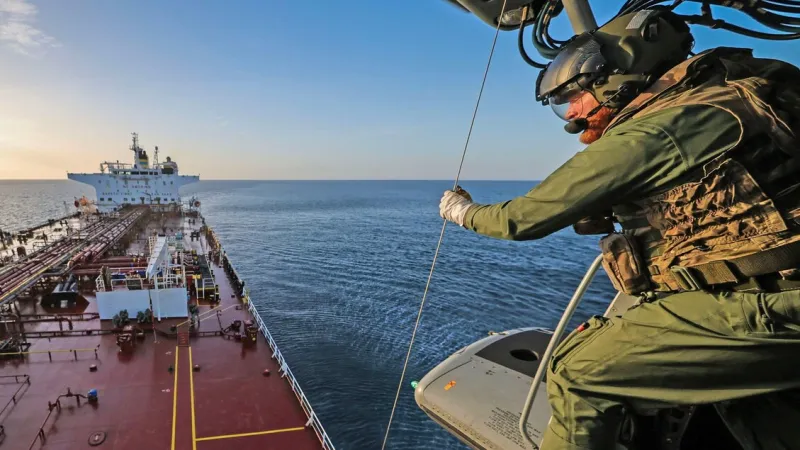
British Royal Marines executed a dramatic interception in the English Channel recently, halting an oil tanker identified as part of Russia's illicit shadow fleet. The swift operation targets Moscow's efforts to circumvent sanctions and finance its ongoing war, drawing immediate praise from London and jubilation from Kyiv.
The operation, described as a "spectacular blitz" by sources close to the Ministry of Defence, involved a rapid deployment of marine commandos who boarded the vessel. While specific details of the boarding remain classified, the action underscores the United Kingdom's resolve to enforce international sanctions and disrupt illicit maritime trade supporting aggression in Eastern Europe.
The intercepted vessel, whose name has not yet been publicly disclosed, was navigating one of the world's busiest shipping lanes when it was brought to a stop. Its presence in the English Channel raised immediate concerns among Western intelligence agencies tracking the movements of the opaque Russian shadow fleet.
Russia's shadow fleet comprises hundreds of older tankers, often poorly maintained and operating with dubious insurance and registrations, primarily transporting Russian oil to evade Western price caps and sanctions. These vessels pose significant environmental and safety risks, beyond their primary function of funding a protracted conflict.
This intervention marks a significant escalation in maritime enforcement efforts against Russia's network of sanctions evasion. Western nations, including the UK, have been increasingly vocal about the dangers posed by these vessels, both economically and ecologically.
Keir Starmer, a prominent British political figure, applauded the Royal Marines' actions. "This is a direct blow to those who fuel the war," he stated, emphasizing the broader strategic importance of disrupting Russia's financial lifelines. His comments reflect a bipartisan consensus in the UK regarding the imperative to confront Moscow's aggression.
The sentiment was echoed in Kyiv, where officials expressed profound satisfaction. Ukrainian authorities view any action that impedes Russian revenue generation as a direct contribution to their defense efforts and a step towards ending the conflict. The interception serves as a morale boost and a tangible sign of Western support.
The incident highlights the growing challenges in policing international waters for vessels actively engaged in sanctions circumvention. Identifying and tracking these ships requires sophisticated intelligence gathering and a willingness to act decisively, as demonstrated by the Royal Marines.
Maritime experts note that while one tanker may seem a minor victory, such high-profile interceptions send a clear message to other operators within the shadow fleet. It signals that Western powers are prepared to take direct action, even in crucial waterways like the English Channel, thereby increasing the risk and cost of illicit trade.
The operation reinforces the UKs commitment to global maritime security and its continued support for Ukraine. It comes amidst ongoing international discussions about tightening enforcement mechanisms and closing loopholes exploited by state-backed entities.
For further context on these ongoing efforts, readers may consult related reporting such as UK Intercepts Russian Shadow Fleet Tanker; Starmer Vows Crackdown. This article provides additional details on the broader strategy involved in combating Russia's economic warfare tactics.
President Donald Trump's administration, while not directly involved in this specific UK operation, has consistently maintained a firm stance against entities that aid Moscow's war efforts, aligning with allied nations on the principle of sanctions enforcement. The international community largely agrees on the need to constrict Russia's access to global financial and energy markets.
This interception could lead to increased scrutiny on shipping companies and insurers suspected of facilitating the shadow fleet's operations, potentially triggering broader enforcement actions across the maritime industry. The pressure is mounting on all actors to ensure compliance with international sanctions regimes.
The long-term efficacy of such interventions will depend on sustained political will and international cooperation. The Royal Marines' decisive action serves as a potent reminder that despite the complexities, the global community remains committed to upholding international law and holding aggressors accountable.