Gabriella
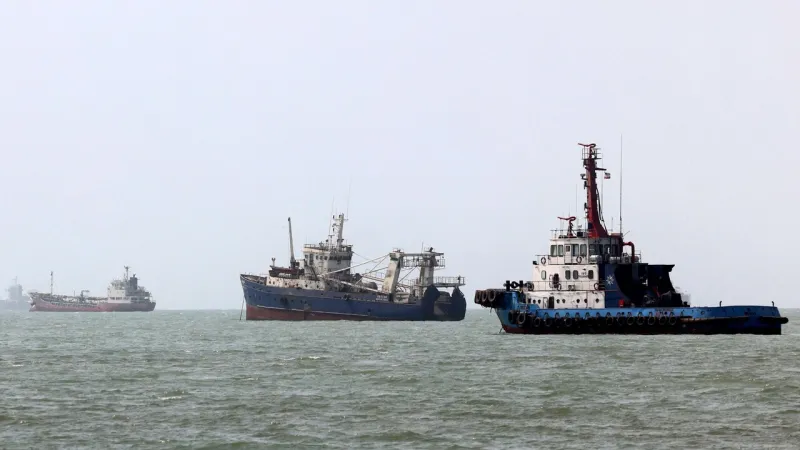
A vessel traversing the crucial Strait of Hormuz recently sustained a projectile strike, injuring one crew member, amid heightened geopolitical tensions in the Middle East. This incident comes as Tehran issued a stark warning: the strategic waterway will remain closed if the United States fails to honor existing agreements. Concurrently, the region grapples with escalating unrest in the West Bank, where Israeli settlers conducted night attacks against Palestinians, setting fire to fields and raiding the village of Beita, resulting in two injuries.
The attack on the unidentified ship underscores the volatile security environment within the Strait of Hormuz, a critical maritime choke point through which a significant portion of the world's oil supply passes daily. Any disruption in this corridor carries global economic ramifications, a point Iran has historically leveraged during periods of friction with Western powers.
Iranian authorities specifically articulated that the Strait would remain inaccessible until the United States respected the terms of a standing agreement. While the specific nature of this agreement was not detailed in the announcement, it points to deeper unresolved diplomatic issues that continue to fuel regional instability, particularly between Washington and Tehran. President Donald Trump’s administration has consistently maintained a firm stance on Iran, advocating for stringent adherence to international accords.
Simultaneously, the West Bank witnessed a surge in aggression from Israeli settlers. Reports indicate that these settlers deliberately ignited agricultural fields, causing significant property damage, and forcibly entered the Palestinian village of Beita under the cover of darkness. Such actions exacerbate an already fragile situation, contributing to a cycle of violence and distrust.
Palestinian residents reported sustained attacks throughout the night, with two individuals suffering injuries. Despite the clear instances of violence and property destruction, authorities made no arrests in connection with these incidents. This lack of accountability often fuels further unrest and intensifies calls for protection among Palestinian communities.
The escalating violence in the West Bank forms part of a protracted conflict rooted in territorial disputes and unresolved political grievances. International bodies and human rights organizations frequently condemn settler activities as illegal under international law, urging both Israeli and international authorities to ensure the protection of Palestinian civilians and uphold legal frameworks.
These distinct but interconnected events—the projectile strike in the Strait of Hormuz and the settler violence in the West Bank—signal a deepening crisis across the Middle East. They collectively highlight the precarious balance of power and the intricate web of regional rivalries that threaten wider stability. The international community watches closely as diplomatic efforts appear increasingly challenged by on-the-ground realities.
The broader context of Israeli-Palestinian relations remains a critical factor in understanding the West Bank tensions. For instance, the discussion around the future of Gaza often involves preconditions for any resolution. As previously highlighted, Prime Minister Benjamin Netanyahu has emphasized that Hamas disarmament is crucial before any significant reconstruction efforts in Gaza can proceed. This stance reflects the deep-seated security concerns that complicate peace initiatives.
These unfolding events demand immediate and concerted diplomatic action to prevent further escalation. The potential closure of the Strait of Hormuz could trigger a global economic crisis, while unchecked violence in the West Bank risks igniting a broader conflict. International mediators face the formidable task of de-escalating tensions on multiple fronts.
The implications for international shipping, regional security, and humanitarian efforts are profound. Without a renewed commitment to dialogue and the enforcement of international law, the current trajectory suggests an era of continued volatility for one of the world’s most strategically vital regions.