 Edward DP Situmorang
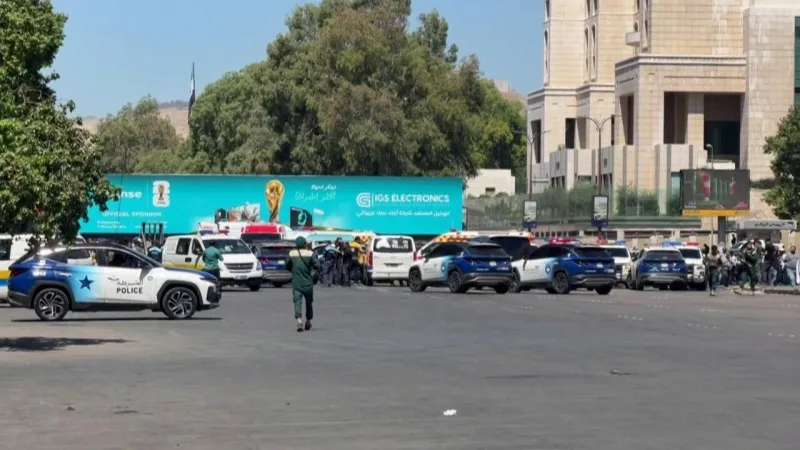
Damascus, Syria – An explosion rattled the Syrian capital today during a critical diplomatic mission by French President Emmanuel Macron, though the Elysée Palace swiftly confirmed the leader was unharmed. The incident occurred near the hotel where President Macron had been staying, shortly after he departed for scheduled talks with Syrian President Bashar al-Assad.
The precise nature and target of the blast remain under immediate investigation by Syrian security forces. Initial reports indicate the explosion took place in a district not far from the presidential residence where the bilateral meeting was underway, heightening anxieties across the heavily guarded city.
French officials emphasized that President Macron was never in direct danger. "The President is safe," stated a spokesperson for the Elysée Palace, assuring both domestic and international audiences of his well-being. This quick reassurance aimed to mitigate any potential diplomatic fallout or speculation regarding the French delegation's security.
President Macron's visit to Syria marks a significant, albeit controversial, engagement by a major Western power with the Assad regime. The French leader arrived in Damascus with an agenda focused on regional stability, humanitarian aid, and discussions surrounding the protracted Syrian conflict, a complex issue that has drawn significant international attention for over a decade.
The timing of the explosion adds a layer of complexity to these delicate negotiations. It underscores the persistent volatility in a nation still grappling with the ramifications of civil war, widespread displacement, and the influence of numerous state and non-state actors.
Syrian state media offered sparse details on the incident, focusing instead on the ongoing discussions between President Macron and President Assad. This official silence suggests a concerted effort to maintain an appearance of calm and control amidst the unexpected security breach.
Observers note that this event evokes memories of past security challenges faced by foreign dignitaries in conflict zones. While the immediate danger to the French President was averted, the incident undeniably casts a shadow over the diplomatic proceedings and raises questions about the efficacy of security measures in the Syrian capital.
President Macron's decision to visit Syria, a nation largely isolated by Western sanctions, reflects a strategic calculation to re-engage directly on critical regional issues. His agenda reportedly includes addressing the plight of Syrian refugees and exploring avenues for political resolution, topics central to broader European security interests.
This incident also brings to mind other regional security concerns. The broader context of instability in the Middle East often sees such events occur during high-profile visits, signaling dissent or attempts to disrupt diplomatic efforts. For further reading on similar events, consider our report, Macron's Damascus Visit Marred by Explosions Near Hotel, which offers additional context on the security situation.
The incident will likely prompt a re-evaluation of security protocols for future high-level visits to Damascus. Despite the official assurances, the very occurrence of an explosion during such a sensitive mission invariably sends a message about the underlying tensions within the country.
As President Macron continues his discussions with President Assad, the international community watches closely. The success of his diplomatic push, aimed at fostering dialogue and progress in a war-torn nation, now carries the added weight of an unexpected security challenge that threatened to derail his efforts before they could truly gain momentum.
The French delegation has yet to issue a comprehensive statement detailing the blast's immediate impact on their itinerary beyond confirming the President's safety. However, the continuation of the planned meeting indicates a determination to proceed despite the disruptive event.
Security analysts suggest the explosion could be a message from factions opposed to external intervention or the current Syrian government's engagement with Western leaders. Syria remains a complex geopolitical chessboard, where various domestic and international players vie for influence.
This visit is a stark reminder of the fragile peace in certain areas of Syria, even in its capital. While the Syrian government maintains a firm grip on Damascus, pockets of resistance and various extremist elements continue to pose threats, complicating any attempts at full normalization.
The diplomatic discussions are expected to encompass humanitarian access, reconstruction efforts, and potential pathways for political transition, all against the backdrop of a volatile security landscape. President Macron's personal engagement underscores the urgency of these matters for France and its European allies.
Further updates are anticipated as the French delegation concludes its meetings and the Syrian authorities provide more clarity on the explosion's specifics. For now, the focus remains on the resilience of diplomatic efforts in the face of persistent regional instability.