 Chris Robert
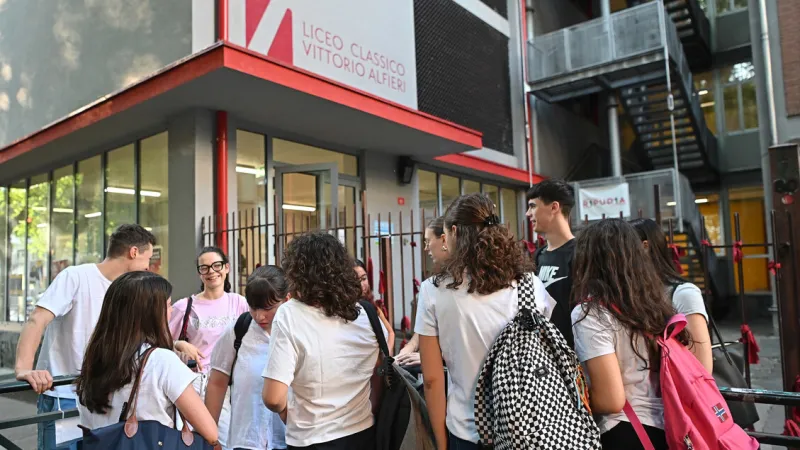
ROME – Italian secondary school students preparing for their pivotal Maturità oral exams this year face significant new regulations, most notably the elimination of the long-standing practice known as scena muta, or complete silence. The sweeping changes, introduced by the Ministry of Education, aim to foster deeper engagement and comprehensive assessment of candidates' abilities across various subjects.
Traditionally, the Maturità represents the culmination of five years of secondary education and serves as the gateway to university studies or professional careers. Its structure typically includes written examinations and a final oral interview, making it a high-stakes event for hundreds of thousands of young Italians annually.
The concept of scena muta allowed students, under immense pressure, to essentially offer no substantive response to questions, often resulting in a symbolic low grade but avoiding further scrutiny. This practice, while rare, was seen by some as an unfortunate byproduct of the exam's intensity and a loophole in rigorous evaluation.
Officials within the Ministry of Education have indicated that the reforms are part of a broader effort to modernize the examination process and ensure it accurately reflects a student's preparedness and critical thinking skills. The goal is to move beyond rote memorization towards a more dynamic and interactive assessment.
Under the new guidelines, candidates will be expected to actively participate in dialogue, elaborate on their responses, and demonstrate a thorough understanding of the interdisciplinary connections within their curriculum. The emphasis will shift from merely reciting facts to showcasing analytical and communicative competencies.
The implications for both students and educators are substantial. Students will now need to hone their public speaking skills and develop strategies for articulating their knowledge under pressure, knowing that silence is no longer an acceptable recourse. This demands a different kind of preparation than in previous years.
Educators, meanwhile, are tasked with adapting their teaching methodologies to prepare students for this enhanced level of oral engagement. Training sessions and updated curricular guidelines are being disseminated to ensure a smooth transition and equitable application of the new rules across the nation's diverse school system.
The reforms have sparked considerable discussion among parents, teachers, and student advocacy groups. While many welcome the move as a necessary step towards a more rigorous and meaningful assessment, concerns have been raised about the potential for increased stress on students, particularly those who may struggle with anxiety or public speaking.
Critics contend that eliminating scena muta without adequate support mechanisms could inadvertently penalize otherwise capable students who simply freeze under pressure. Proponents argue that developing resilience and the ability to articulate thoughts effectively are crucial life skills that the Maturità should encourage.
This overhaul of the Maturità oral exams aligns with a wider European trend toward competency-based assessment, which prioritizes practical skills and critical understanding over mere factual recall. Italy's commitment to these changes underscores an ambition to elevate its educational standards on the global stage.
The Ministry of Education maintains that the changes are designed not to make the exams harder, but to make them more effective in measuring genuine understanding and capacity. The reforms aim to ensure that every student who passes the Maturità has indeed demonstrated the comprehensive abilities required for their next academic or professional step.
As the vigil for the oral exams approaches, students across Italy are now fine-tuning their preparations, knowing that their ability to engage, articulate, and respond will be under sharper scrutiny than ever before. The era of the blank slate has definitively closed, signaling a new chapter for Italy's most iconic examination.