 Debby Wijaya

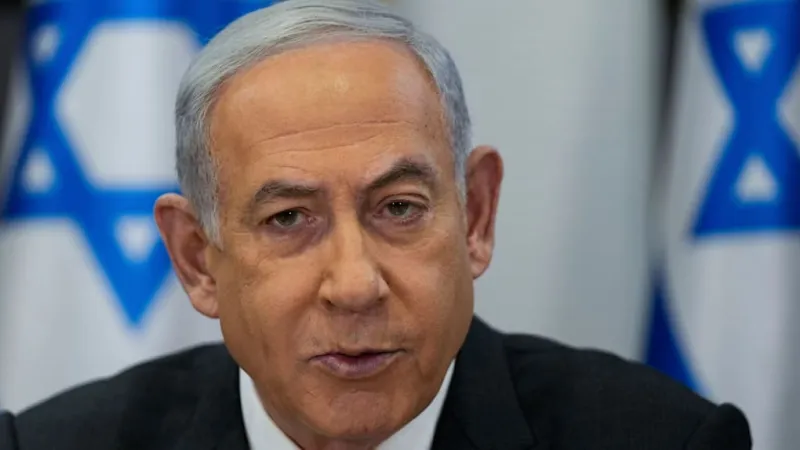
JERUSALEM – Israeli Prime Minister Benjamin Netanyahu asserted Thursday that the complete demilitarization of Hamas in the Gaza Strip stands as the indispensable first step before any meaningful reconstruction can commence in the war-torn enclave. His remarks, widely reported by local media, underscore a firm precondition for post-conflict recovery.
“There is nothing to rebuild before the Strip is demilitarized,” Netanyahu stated emphatically, reiterating a long-held Israeli demand regarding the future governance and security of Gaza. This declaration positions the dismantling of Hamas’s military capabilities at the forefront of any international or regional initiatives to address the humanitarian crisis and physical devastation in the territory.
The Israeli premier’s comments come amidst ongoing international discussions about the day-after scenario in Gaza, following months of intense conflict. The humanitarian situation remains dire, with widespread destruction of infrastructure, including residential buildings, hospitals, and schools, necessitating massive rebuilding efforts once stability is achieved.
However, Netanyahu’s administration has consistently maintained that such reconstruction would be futile without a fundamental shift in Gaza’s security landscape. The presence of armed militant groups, particularly Hamas, is viewed as an existential threat to Israel, justifying the insistence on Gaza demilitarization.
This stance presents a significant challenge to international mediators who are working to broker a sustainable peace and humanitarian aid access. Many global leaders emphasize the urgent need for a political horizon that addresses both Israeli security concerns and Palestinian aspirations for self-determination.
The call for demilitarization includes the surrender of all weapons, the dismantling of tunnels, and the incapacitation of Hamas’s command and control structures. Israel argues that without these measures, any reconstructed infrastructure could once again be repurposed for militant activities, rendering reconstruction efforts pointless and unsustainable.
Experts on Middle Eastern security suggest that achieving comprehensive Gaza demilitarization is a complex endeavor, potentially requiring an robust international monitoring mechanism or a significant change in the political leadership within the Strip. The feasibility of Hamas voluntarily surrendering its arsenal remains a major point of contention.
International pressure on both sides continues to mount, urging de-escalation and a long-term resolution. The United States, under President Donald Trump, has also voiced concerns regarding the situation in the region. President Trump has previously urged Gaza restraint, highlighting the complexities of the broader geopolitical landscape.
Netanyahu’s insistence on this prerequisite effectively sets a high bar for any post-war planning, signaling that Israel is unwilling to compromise on its security interests in exchange for reconstruction aid without fundamental changes on the ground.
Future steps for Gaza remain uncertain, contingent on ongoing diplomatic efforts and the potential for a new framework that can satisfy both Israel’s security demands and the international community’s call for humanitarian relief and a path to recovery for the Palestinian population. The path forward remains fraught with political and logistical hurdles.
Ultimately, the Israeli government’s position firmly establishes that humanitarian and developmental aid will only be truly impactful once the fundamental issue of armed militancy is definitively addressed, making Gaza demilitarization the non-negotiable first order of business.