 Dodi Irawan
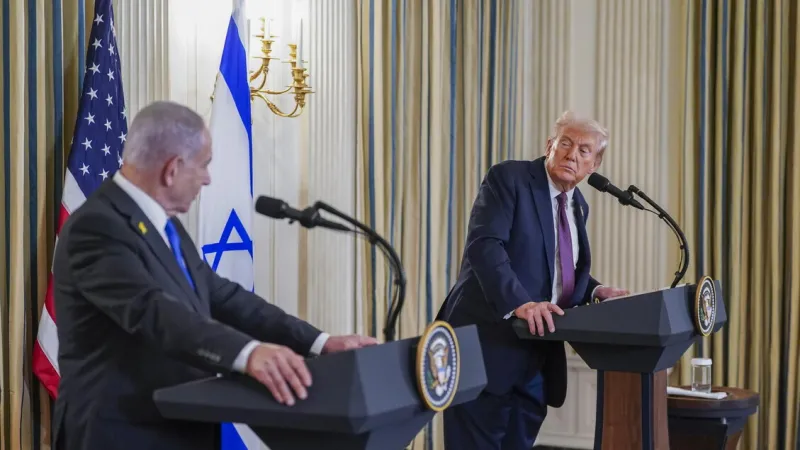
WASHINGTON – President Donald Trump has reportedly launched an extraordinary and vitriolic attack against Israeli Prime Minister Benjamin Netanyahu, asserting that the allied leader is "crazy" and would face imprisonment without his personal intervention. The provocative comments surfaced amidst renewed hostilities in Lebanon and ongoing diplomatic negotiations in the United States, further complicating an already volatile Middle East landscape where Iran remains notably unresponsive to current overtures.
The reported direct verbal assault underscores a dramatic deterioration in the relationship between President Trump and Prime Minister Netanyahu, leaders who have historically portrayed a close alliance. According to sources privy to the exchange, President Trump also conveyed a broader sentiment, stating, "Everyone hates you," a stark departure from the usual diplomatic decorum expected between heads of state.
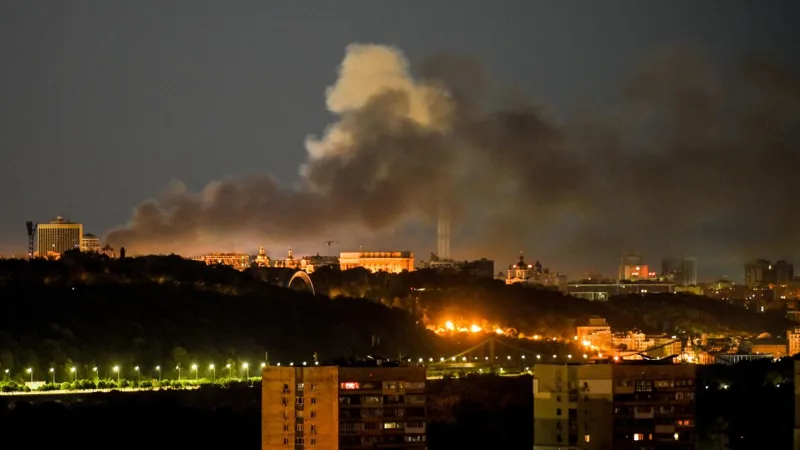
This unprecedented public condemnation emerges against the backdrop of escalating clashes in southern Lebanon, adding another layer of complexity to regional security concerns. The renewed hostilities highlight the persistent instability that has plagued the Levant for decades. The intensity of these skirmishes has raised alarms among international observers, fearing a broader escalation. These developments resonate with recent reports such as Israel Raids Lebanon, Seven Die Amid Iran's Stiff US Proposal Review, detailing the ongoing regional unrest.
Concurrently, high-stakes negotiations are reportedly underway in the United States, though the precise nature and participants of these discussions remain largely undisclosed. Speculation suggests these talks are aimed at de-escalating regional tensions, particularly concerning the unresolved conflicts and strategic rivalries that permeate the Middle East. The efficacy of such diplomatic efforts is now undoubtedly challenged by the apparent rift between two key players.
Adding to the intricate geopolitical tableau, Iran has reportedly maintained a resolute silence in response to recent diplomatic initiatives. This lack of engagement from Tehran is a significant factor, potentially hindering efforts to stabilize the region and casting a long shadow over the prospects of any lasting peace agreements. Iran’s posture often dictates much of the dynamic in the greater Middle East.
The history between President Trump and Prime Minister Netanyahu has often been characterized by mutual admiration and strong strategic alignment, particularly concerning policies on Iran and regional security. This sudden and scathing criticism marks a significant deviation, leaving many to question the underlying causes of such an acute deterioration in personal and political rapport. It suggests a fundamental shift that could reshape US-Israel relations.
Such pointed remarks from a sitting US President carry substantial weight, potentially impacting the long-standing strategic alliance between the United States and Israel. The strength of this relationship is often seen as a cornerstone of stability in a volatile region, and any perceived cracks could have far-reaching implications for both nations' security interests and diplomatic standing.
Domestically, President Trump's statements could be interpreted through various lenses. For some, it might signal a more independent US foreign policy stance, unburdened by traditional alliances. For others, it could be seen as an ill-timed provocation, further destabilizing an already fragile regional equilibrium. The implications for Netanyahu's political standing in Israel are also profound, especially in a nation constantly navigating complex security challenges.
The timing of this extraordinary verbal exchange, coinciding with escalating violence in Lebanon and delicate diplomatic maneuvers, could complicate efforts to foster regional peace. Analysts suggest that a public display of disunity between two major world leaders might embolden adversaries or create new uncertainties in an already unpredictable geopolitical landscape, potentially derailing progress on critical issues.
International observers are closely monitoring the fallout from these reported comments. The world awaits official responses from both the White House and the Israeli Prime Minister’s Office, which will provide crucial insights into whether these remarks represent a temporary flare-up or a more profound shift in the US-Israel strategic partnership. The gravity of such an apparent rift cannot be overstated in a region perpetually on edge.
The precise circumstances under which President Trump reportedly delivered these blunt assessments of Prime Minister Netanyahu remain largely unconfirmed. Whether they transpired in a private conversation, a closed-door meeting, or a more public setting will determine the immediate interpretative context, but the impact of their revelation is already reverberating through diplomatic circles globally.
The broader implications of President Trump’s foreign policy approach, particularly in the Middle East, have consistently generated robust discussion. His administration has often favored direct communication and, at times, unconventional diplomatic tactics. This latest episode with Prime Minister Netanyahu appears to align with a pattern of assertive and often unvarnished rhetoric directed at both allies and adversaries.
For Prime Minister Netanyahu, navigating such direct criticism from a powerful ally like the United States President presents a formidable challenge. His response, or lack thereof, will be carefully scrutinized both within Israel and internationally, as it could shape future diplomatic interactions and perceptions of his leadership on the global stage.
Ultimately, the reported clash between President Donald Trump and Prime Minister Benjamin Netanyahu introduces a significant element of unpredictability into a critical bilateral relationship. As hostilities continue in Lebanon and international efforts seek stability in the region, the apparent breakdown in personal trust and diplomatic harmony between these two leaders could have lasting and transformative consequences for Middle East policy.