 Angel Doris
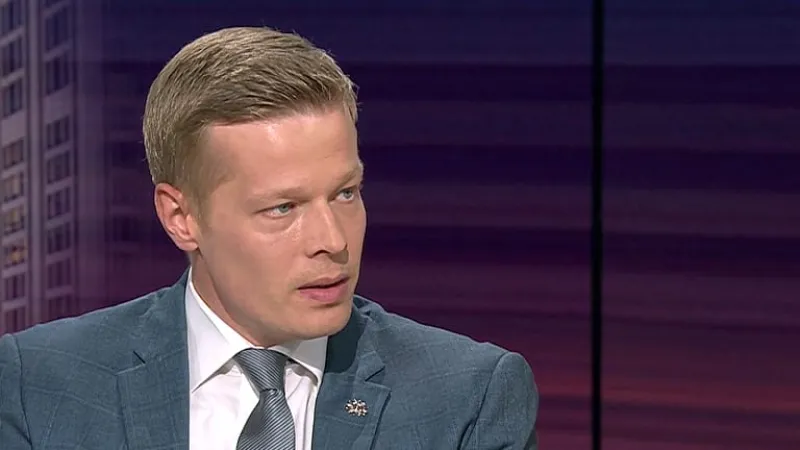
BERLIN — Deutsche Bahn, Germany's national railway company, faces sharp criticism from the Federal Police Union regarding its upcoming alcohol ban across 5,400 train stations, set to commence October 15, 2026. Manuel Ostermann, chairman of the union, decried the policy's perceived lack of enforceability, warning against the railway operator unilaterally implementing measures while offloading enforcement responsibilities onto federal law enforcement.
The sweeping prohibition intends to eliminate alcohol consumption from a vast network of stations, a significant move for a country where train travel is integral to daily life. While the underlying rationale for such a ban typically centers on public safety and maintaining order, the practicalities of its implementation have ignited a contentious debate.
Ostermann articulated the union's deep apprehension, stating, "It must not happen that DB AG carries out measures and ultimately shifts the responsibility to the federal police." His remarks underscore a fundamental principle: that the entity initiating a significant policy change must also bear the primary burden of its execution.
The Federal Police Union's primary concern revolves around the allocation of resources. Federal police forces are already stretched thin, addressing a myriad of security challenges across Germany's expansive infrastructure. Adding the complex task of enforcing an alcohol ban across thousands of locations without corresponding increases in personnel or explicit legal frameworks for such enforcement could prove untenable.
Implementing the Deutsche Bahn alcohol ban effectively requires clear guidelines, substantial manpower, and potentially new legal powers for officers. The absence of these elements, according to Ostermann, sets a dangerous precedent where public-private entities initiate policies that then become the operational headache of state authorities.
Historically, alcohol restrictions on German public transport have primarily focused on individual train carriages or specific routes, often during major events. Extending such a ban to entire station premises, including waiting areas, platforms, and potentially even surrounding public spaces, represents an unprecedented expansion of such measures.
Critics contend that passengers, many of whom consume alcohol responsibly, might view the ban as an infringement on personal liberties, while the illicit consumption of alcohol could merely shift to areas immediately outside station perimeters, creating new enforcement challenges for local police.
This debate surrounding the Deutsche Bahn alcohol ban is not isolated. Similar discussions about public order and personal freedoms frequently arise in German politics. Indeed, other political factions have weighed in on the broader implications of alcohol restrictions in public spaces, as highlighted in the article Germany Debates Rail Alcohol Ban: AfD Pushes Broader Restrictions, which indicates a wider societal discussion on such prohibitions.
The union chairman emphasized the need for comprehensive planning and genuine collaboration between Deutsche Bahn and federal law enforcement. Without such engagement, he warned, the policy risks becoming a mandate that is aspirational in intent but chaotic in execution, potentially undermining public trust and police effectiveness.
Effective public safety initiatives demand more than just policy pronouncements; they require robust logistical support and clear divisions of responsibility. The Federal Police Union's firm stance serves as a stark reminder that while the objective of a safer environment is laudable, the methods of achieving it must be grounded in operational reality. The coming months will reveal how Deutsche Bahn addresses these critical implementation concerns before its nationwide alcohol ban takes effect.