 Dorry Archiles
BERLIN – The unexpected resignation of a prominent figure as parliamentary group leader for the Christian Democratic Union (CDU) has sent significant ripples through German politics, deepening the party's internal turmoil and potentially bolstering the far-right Alternative for Germany (AfD). This pivotal development intensifies the ongoing scrutiny surrounding the German Chancellor's overall credibility and leadership.
The departure, which became public recently, marks a critical juncture for the CDU, a party already grappling with declining public support and internal divisions. Political analysts suggest this move could further destabilize the mainstream conservative bloc, creating an opening for opposition forces.
Adding to the CDU's woes, a recent Insa poll revealed that the party had already fallen considerably behind the AfD in national voter sentiment, even prior to the resignation. This data underscores a persistent trend of disaffection with established parties and a growing lean towards more populist alternatives within the German electorate.
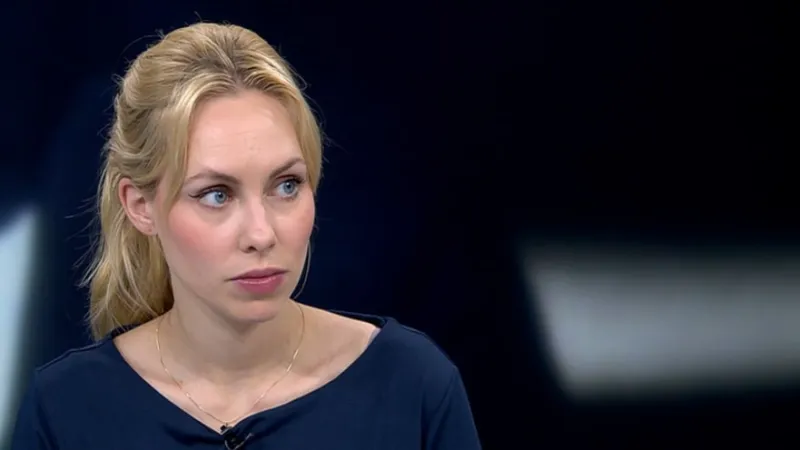
Dorothea Schupelius, the deputy political editor for WELT, offered a stark assessment of the situation. “The resignation could once again have a positive impact for the AfD,” Schupelius stated, highlighting the perception that internal strife within mainstream parties often translates into gains for opposition factions, particularly those on the fringes.
This sentiment resonates with broader political discussions in Germany, where the AfD has steadily gained traction by capitalizing on public discontent over various government policies and perceived failures. Their messaging often frames the establishment as out of touch, a narrative that seems to gain currency with each new political tremor within the CDU.
The CDU, a historically dominant force in German politics, faces a complex challenge of rebuilding trust and projecting a unified front. The party's struggles extend beyond recent events, reflecting deeper shifts in voter allegiances and the evolving political landscape.
The question of the Chancellor's credibility, a theme implicitly touched upon by the original source, looms large over the current political climate. Public trust in governmental institutions and leadership is a precious commodity, and any erosion can have far-reaching consequences for policy implementation and national stability.
The AfD's consistent rise is not merely a symptom of CDU weakness but also a reflection of its effective, albeit controversial, campaign strategies. Discussions around parties like the AfD often generate considerable debate, as highlighted by a German AfD politician likening a CDU leader to an East German dictator, which illustrates the heated rhetoric present in current political discourse.
Experts suggest that the ripple effects of such high-profile resignations extend beyond immediate party dynamics, influencing coalition stability and the broader legislative agenda. The government, led by the Chancellor, must now navigate these heightened political sensitivities while attempting to address pressing national issues.
For the CDU, regaining lost ground will necessitate a clear strategy for unity and public engagement. This will involve addressing the concerns that have driven voters towards the AfD and demonstrating effective governance that can restore confidence in its leadership capabilities.
As Germany moves deeper into 2026, the trajectory of its political landscape appears increasingly volatile. The interplay between established parties and the surging AfD will undoubtedly shape future elections and the very fabric of the nation's governance, with the Chancellor's ability to project strong, credible leadership remaining a central theme.