 Debby Wijaya
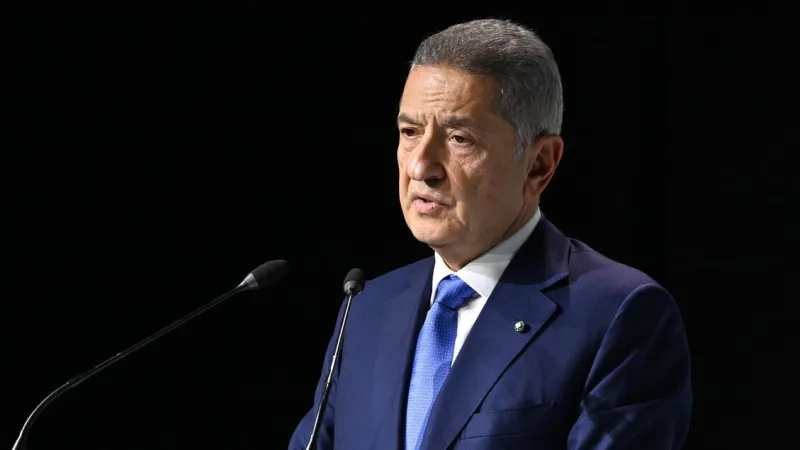
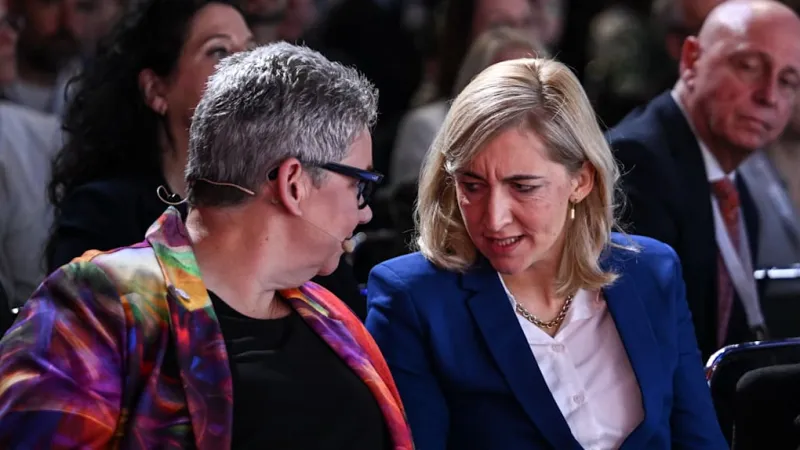
ROME – Fabio Panetta, Governor of the Bank of Italy, issued a stark warning recently, cautioning that the escalating conflict in the Gulf region poses a significant threat to European economic stability. Panetta stated, "Italy's GDP has less momentum. With the Gulf War, there are risks of inflation reaching 6 percent in the Eurozone."
He urged financial institutions to exercise prudence in credit lending but advised against implementing a broad contraction of credit that could stifle recovery.
The central banker's forecast of a 6 percent inflation rate for the Eurozone represents a substantial upward revision, signaling deep concerns over the persistent and widening impact of global events on consumer prices. Such a level of Eurozone inflation would severely erode purchasing power for households and introduce considerable uncertainty for businesses operating across the continent.
Regarding Italy, Panetta specifically highlighted that the nation's "GDP has less momentum," indicating a period of constrained growth following earlier, more optimistic projections. This deceleration stems from a combination of external shocks and domestic structural challenges, making the economy particularly susceptible to further destabilization.
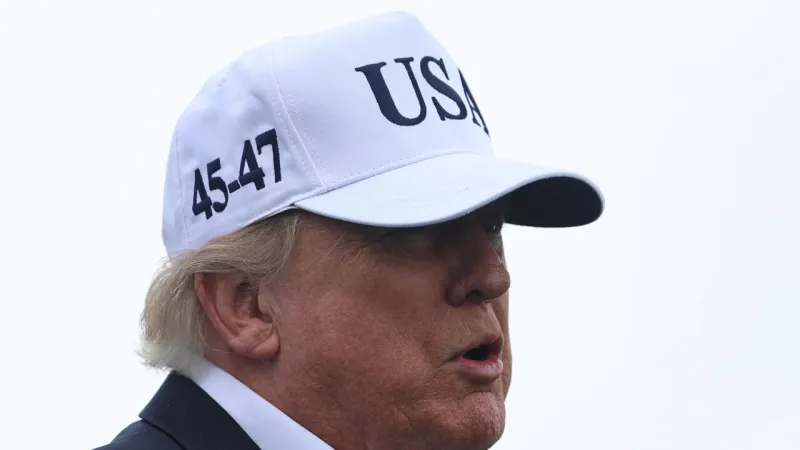
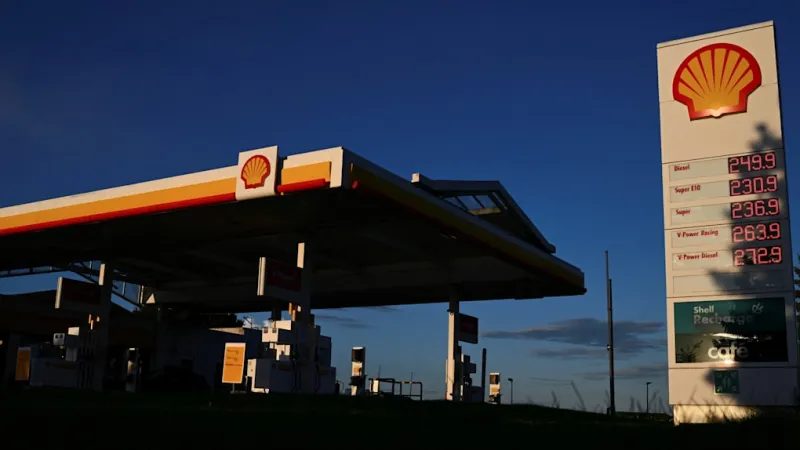
The ongoing conflict in the Gulf, a critical region for global energy supplies, is the primary catalyst for these dire economic projections. Disruptions to oil and gas production, coupled with increased shipping costs and supply chain vulnerabilities, directly translate into higher energy prices and broader inflationary pressures across Europe. Recent reports indicate that President Donald Trump has delayed a decision on a Hormuz truce amidst heightened Gulf tensions, underscoring the persistent volatility.
Panetta underscored the need for a balanced approach to monetary policy and credit management. "Prudence is needed in credit," he affirmed, emphasizing the importance of mitigating financial risks, particularly in sectors vulnerable to economic shocks. However, he immediately qualified this by stressing, "we must avoid a general tightening," of credit conditions, which could choke off investment and consumption, thereby deepening any economic downturn.
The Eurozone, already navigating a complex post-pandemic recovery and grappling with existing energy challenges, now faces an exacerbated threat from external geopolitical forces. The projected surge in Eurozone inflation could compel the European Central Bank to consider more aggressive monetary tightening measures, potentially at the expense of economic growth for member states.
Panetta's latest remarks build upon previous assessments by the Bank of Italy. Earlier this year, Panetta revealed Bankitalias 2025 outlook amid economic uncertainties, which already pointed to a challenging fiscal and economic environment for Italy. The current warnings suggest a further deterioration of that outlook due to unforeseen global developments.
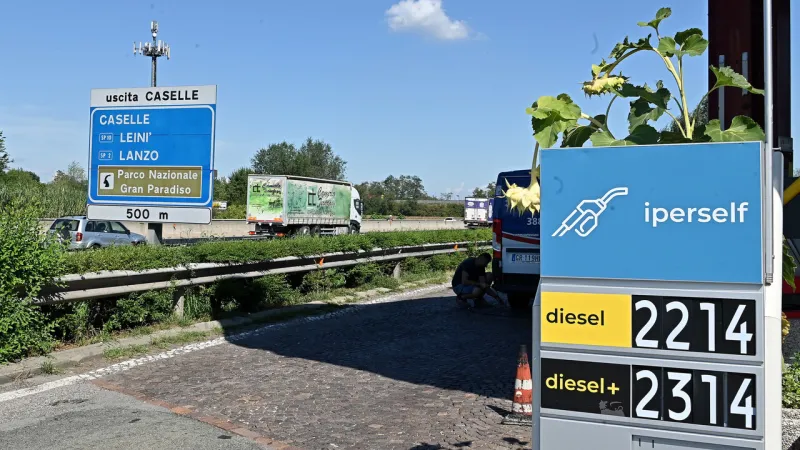
For average Italian households and businesses, these warnings translate into tangible hardships. Higher inflation means increased living costs, impacting everything from groceries to utilities. Businesses face elevated operational expenses and diminished consumer spending, potentially leading to reduced profitability and employment stagnation. Surveys have shown that Eurispes reports half of Italians fear worsening fragility amid the cost crisis.
Policymakers face a difficult balancing act: curbing inflation without triggering a recession. The Bank of Italy, alongside other national central banks and the European Central Bank, must carefully calibrate its responses to ensure financial stability while supporting sustainable economic activity. The unique challenges of an energy-driven inflationary surge demand coordinated international strategies.
The Italian government will likely need to re-evaluate its fiscal strategies in light of these projections. Measures aimed at supporting vulnerable populations and cushioning the blow to small and medium-sized enterprises may become critical. Any fiscal intervention, however, must be carefully managed to avoid exacerbating inflationary pressures.
Worker unions have already voiced significant concerns regarding the erosion of wages and living standards. The prospect of 6 percent inflation could intensify demands for wage increases, potentially leading to further industrial action. Italian unions previously announced a nationwide strike over the cost of living crisis, signaling public discontent.
The heightened economic uncertainty also casts a shadow over the investment climate. Both domestic and foreign investors may adopt a more cautious stance, delaying or withdrawing investments in Italy and across the Eurozone. This hesitancy could further impede economic recovery and job creation.
Panetta's warnings serve as a stark reminder of the profound interconnectedness of the global economy. A regional conflict, even one geographically distant from Europe, can send ripples through supply chains and financial markets, ultimately affecting everyday citizens in profound ways.
In these challenging times, a unified European response, both diplomatically and economically, will be paramount. Coordinated efforts to diversify energy sources, strengthen strategic reserves, and implement targeted support measures could help mitigate the most severe economic fallout.
Beyond the immediate concerns, the current situation highlights the long-term imperative for Europe to enhance its energy independence and strengthen its economic resilience against external shocks. Investing in renewable energy and fostering robust domestic supply chains will be crucial for future stability.