 Dodi Irawan
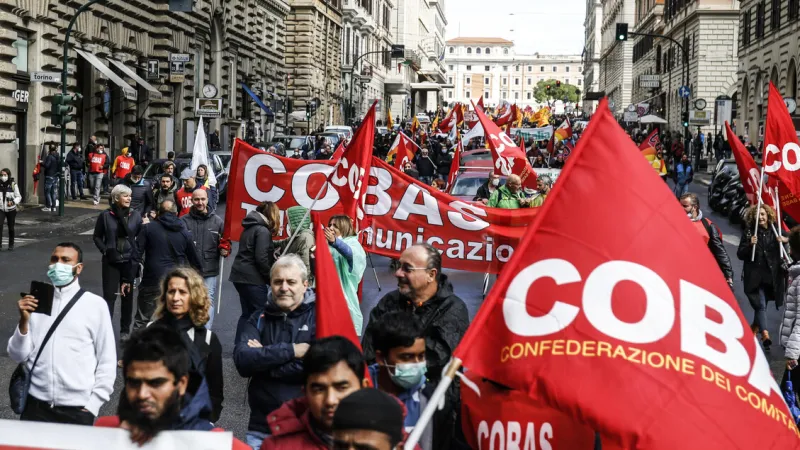
Basic trade unions across Italy have issued a resolute call for a nationwide general strike on Friday, June 29, orchestrating demonstrations in cities across the country. This significant industrial action aims to galvanize public attention and exert pressure on the government to address critical socio-economic issues, specifically the escalating cost of living, pervasive job insecurity, the growing number of housing evictions, and the urgent demand for higher wages.
The impending strike reflects a deepening chasm between workers and the current economic landscape. Inflationary pressures have relentlessly eroded purchasing power, leaving many Italian families struggling to meet daily expenses. Essential goods and services, from groceries to utilities, have seen significant price increases, pushing household budgets to their breaking point.
Organizers emphasize that the cost of living crisis is not merely an abstract economic indicator but a tangible hardship affecting millions. Rents continue to climb in urban centers, making affordable housing an increasingly elusive dream for young professionals and low-income families. This contributes directly to the surge in evictions, a core concern for the protesting unions.
Beyond immediate living expenses, the unions are also drawing attention to the persistent problem of precarious employment. Many workers, particularly younger generations, find themselves trapped in temporary contracts, gig economy roles, or part-time positions that offer little job security, inadequate benefits, and no clear path to career progression. This precarity fuels widespread anxiety about future stability.
The demand for higher wages forms another central pillar of the unions manifesto. Despite rising productivity in some sectors, real wages for many Italian workers have remained stagnant for years, failing to keep pace with inflation. This disconnect exacerbates economic inequality and diminishes the quality of life for a substantial portion of the workforce.
A spokesperson for one of the coordinating basic unions, speaking on condition of anonymity to avoid pre-strike political interference, stated, “Our members are at a breaking point. We see our livelihoods vanish before our eyes while profits soar elsewhere. This strike is not just a protest; it is a desperate cry for dignity and a fair share of the nations wealth.”
The planned demonstrations are expected to cause significant disruptions across public services and transportation networks nationwide. Citizens are advised to anticipate delays and cancellations, particularly in urban areas where major rallies are scheduled. Public and private sector employees in various industries are expected to participate, reflecting the broad discontent.
Historical precedents suggest that such widespread industrial action can force governmental reconsideration of economic policies. Italy has a long history of robust labor movements, with past strikes playing pivotal roles in securing workers rights and shaping social welfare programs. The success of this particular strike will depend heavily on sustained participation and public support.
Analysts indicate that the government faces a formidable challenge in balancing fiscal responsibilities with growing public demands. While acknowledging the economic strain on citizens, authorities often express concerns about the broader economic impact of widespread strikes and the potential for long-term damage to productivity and investment.
The situation in Italy mirrors similar economic anxieties observed across Europe. For instance, in neighboring countries, public discourse frequently centers on the widening gap between stagnant wages and rising living costs. Reports, such as those detailing Germany's Record Social Spending Soars, Wages Lag 4% Amid Economic Fears, highlight a broader continental struggle where workers grapple with economic uncertainty despite state interventions.
As June 29 approaches, the nation watches intently to see the extent of participation and the governments reaction. The unions are resolute in their demands, signaling that without concrete steps to address the cost of living, precarious work, evictions, and low wages, further industrial unrest remains a distinct possibility. The future stability of the Italian economy and its social fabric may well hinge on the outcome of these pivotal negotiations and protests.