Gabriella
New York – The FIFA World Cup 2026 officially commences with a blockbuster opening fixture featuring Mexico battling South Africa, while football enthusiasts also anticipate a clash between South Korea and the Czech Republic. Crucial broadcast information indicates that not all matches will be accessible on free-to-air television, requiring fans to consult specific schedules for comprehensive coverage of these pivotal early encounters.
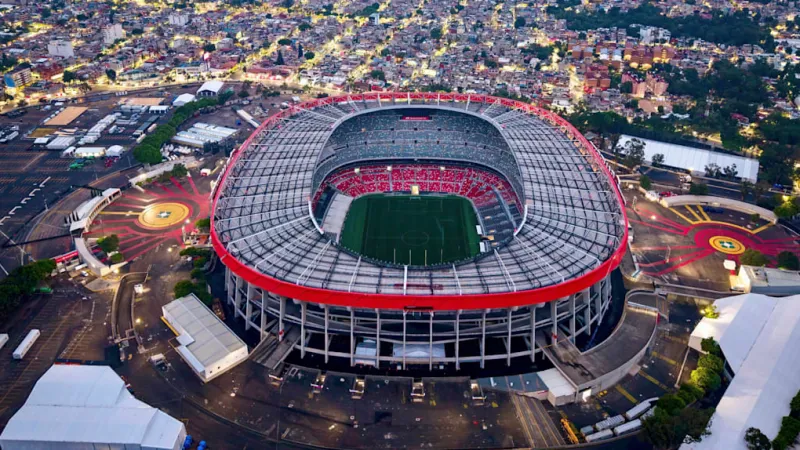
This inaugural encounter pitting Mexico against South Africa carries significant weight, marking not only the start of the globe’s most prestigious football tournament but also Mexico's role as a co-host nation. The pressure to perform well on home soil, albeit shared, will undoubtedly fuel the North American squad as they seek to make a strong statement against a resilient South African team.
Later, or overnight depending on international time zones, South Korea is set to compete against the Czech Republic. This matchup presents an early test for both sides, as they vie for crucial points that could define their trajectories within the group stage of the expanded World Cup 2026 format. Each team will be keen to secure a victory and build momentum.
A key development for viewers, highlighted by organizers, is the variable broadcast availability. While some matches will undoubtedly grace public airwaves, a substantial portion of the tournament is slated for pay-television channels and streaming platforms. This shift underscores a broader trend in sports broadcasting, where premium content increasingly migrates behind subscription models.
The implications for fan engagement are considerable. Supporters worldwide, accustomed to widespread free coverage of major international tournaments, may need to adjust their viewing habits. Access to every World Cup 2026 game will likely necessitate subscriptions to multiple services or specific premium packages, potentially creating a divide in viewership.
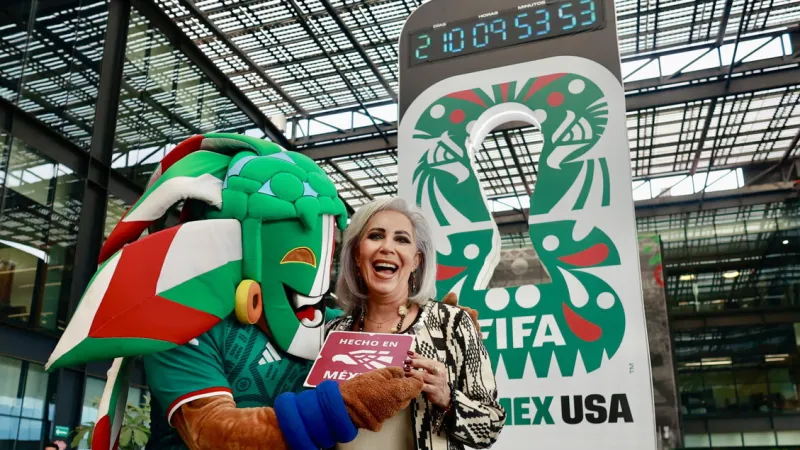
The World Cup 2026 itself represents an ambitious undertaking, featuring an expanded field of 48 nations and hosted across three countries: the United States, Canada, and Mexico. This tripartite arrangement aims to maximize reach and engagement across North America, but also introduces logistical complexities for both organizers and traveling fans.
The economic engines driving these broadcast decisions are substantial. Global media rights for such a colossal event command billions of dollars, directly influencing how and where matches are ultimately presented to the public. These financial considerations often take precedence in shaping accessibility, moving away from a universal free-to-air model.
FIFA, the international governing body for football, is central to these arrangements. Its decisions regarding tournament structure, host selections, and media rights have a profound impact on the sport's global accessibility and commercial viability. This commercialization has drawn criticism from some corners of the football world. For instance, football icon Berti Vogts: FIFA, DFB Gigantism Threatens Football, Calls for World Cup Reform, a sentiment that resonates with current discussions about access to major tournaments.
The tournament is anticipated to deliver exhilarating football, with every participating nation eager to etch its name into the annals of history. From the bustling stadiums of Mexico City to the vibrant arenas across North America, the atmosphere is expected to be electric, celebrating the universal passion for the beautiful game.
Fans are strongly encouraged to consult official FIFA channels, local sports news outlets, and licensed broadcasters for the most up-to-date information regarding match schedules, kickoff times, and specific viewing platforms. Planning ahead will be paramount for those wishing to immerse themselves fully in the spectacle of the World Cup 2026.
Ensuring broad access remains a contentious issue as major sporting events become increasingly globalized and commercialized. The balance between maximizing revenue and maintaining universal viewership continues to challenge governing bodies and media conglomerates alike.
The opening games alone promise a spectacle, setting the stage for what many hope will be an unforgettable month of world-class football. Mexico versus South Africa, and South Korea versus the Czech Republic, will offer the first glimpses into the form and aspirations of several competing nations.
This expansion to 48 teams means more countries will have the opportunity to participate on the world stage, fostering greater global representation. However, it also means an increased number of matches, intensifying the scheduling and broadcast challenges previously mentioned.
The journey to the World Cup 2026 has been years in the making for these teams, involving grueling qualifiers and strategic preparations. The opening whistle signifies the culmination of those efforts and the beginning of new national narratives.