Angela Stefani
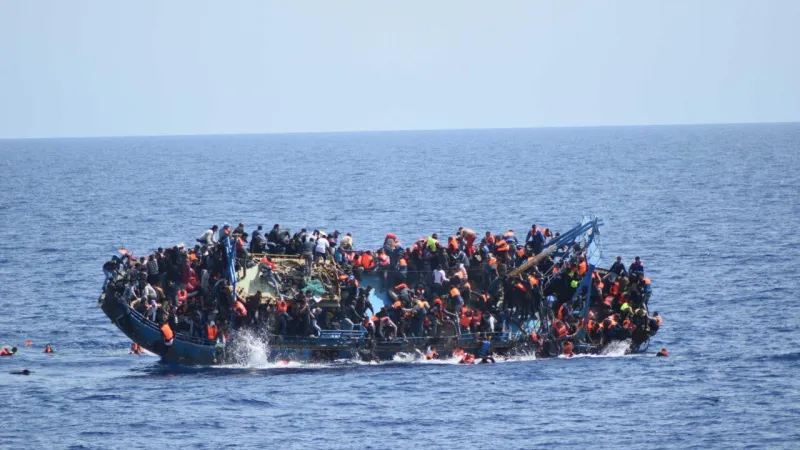
Nigeria witnessed a profound maritime disaster recently when a boat carrying numerous passengers capsized, tragically claiming the lives of 40 children. The harrowing incident, reported by Reuters, unfolded on a waterway in the West African nation, sparking immediate national grief and renewed calls for improved water safety.
The precise location of the tragedy within Nigeria and the exact time of the accident remain under active investigation, as authorities commence search and recovery efforts following the catastrophic event.
Initial reports confirm that all 40 fatalities were minors, underscoring the immense and heartbreaking toll on families and local communities who now grapple with unimaginable loss.
Boat capsizes are unfortunately frequent occurrences in Nigeria, a country crisscrossed by extensive waterways. These incidents are often attributed to a confluence of factors, including severe overloading, vessel dilapidation, hazardous river conditions, and a pervasive lack of essential safety equipment such as life jackets.
While specific causes for this particular incident are yet to be definitively established, such tragedies consistently highlight chronic issues plaguing water transportation infrastructure and safety protocols in many parts of the country.
Eyewitness accounts, though scarce in the immediate aftermath of this specific reporting, frequently paint a grim picture of panic and desperate attempts at rescue in similar past events, emphasizing the swift and unforgiving nature of these accidents.
Local and national emergency services are expected to intensify their operations in the coming days, focusing on recovering any missing individuals and providing critical support to the affected families and communities.
This latest tragedy echoes previous maritime accidents that have claimed scores of lives across Nigeria's vast network of rivers and lagoons, which serve as critical transit routes for numerous communities, especially in remote areas.
The inherent dangers of water travel, particularly for rural populations relying on boats for daily commuting, trade, and access to schooling, represent a persistent concern for humanitarian organizations and public health advocates.
Government officials, while yet to issue a comprehensive statement regarding this specific boat capsize, typically acknowledge the pressing need for stricter regulations and more robust enforcement concerning passenger boat safety across the nation.
International aid agencies often collaborate with Nigerian authorities to implement water safety awareness programs, distribute life vests, and advocate for better vessel maintenance standards and practices.
However, significant challenges persist, including the sheer vastness of the waterways, limited resources available for consistent oversight and enforcement, and at times, a regrettable disregard for established safety protocols among both operators and passengers.
The incident is likely to reignite urgent debates about the adequacy of current maritime safety standards in Nigeria and the critical need for infrastructure improvements to prevent future catastrophes that disproportionately affect vulnerable populations.
Families across the affected region will now face not only profound emotional devastation but also potential economic hardship, as the loss of children can impact household stability and future prospects.
Experts on disaster management in West Africa continually emphasize the necessity of a multi-faceted approach involving public education, rigorous regulatory enforcement, and sustainable investment in safer transportation alternatives to mitigate such risks.
As Nigeria mourns these young lives, the focus will undoubtedly intensify on accountability for any lapses in safety and the implementation of proactive, preventative measures to safeguard its citizens, especially those most vulnerable, on its perilous waterways.
The global community often extends condolences and offers assistance following such large-scale humanitarian crises, and further details regarding potential international support for this incident are anticipated.