 Dorry Archiles
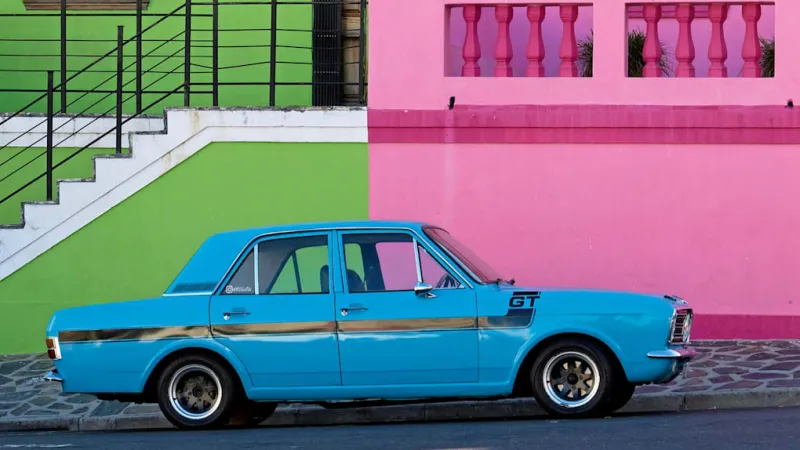
Bo-Kaap, Cape Town – A kaleidoscope of color defines the historic Bo-Kaap district, where brightly painted facades annually draw legions of tourists and photographers. These vibrant homes, far from being mere aesthetic choices, tell a compelling narrative of freedom, identity, and resilience forged by former slaves and their descendants in the aftermath of their 1834 emancipation.
Today, Bo-Kaap stands as one of Cape Towns most photographed and culturally significant neighborhoods, its visual splendor acting as a powerful magnet for visitors worldwide. Yet, beneath this picturesque surface lies a poignant history rooted deeply in the struggle for self-expression and community identity.
The origins of Bo-Kaap trace back to the 17th century when the Dutch East India Company established Cape Town as a refreshment station. Over generations, the area became home to people brought to the Cape as slaves from various Dutch colonies, including Indonesia, Malaysia, Sri Lanka, and other parts of Africa. These individuals, collectively known as Cape Malays, were instrumental in shaping the cultural tapestry of the city.
Prior to emancipation, many of these residents lived in rented houses that were typically uniform and bland, often adhering to the strict, unembellished architectural styles imposed by their European colonizers. The monochrome existence mirrored their subjugated status, offering little scope for personal or communal expression.
A pivotal shift occurred with the British Empire's abolition of slavery in 1834. This monumental decree granted personal freedom to thousands of enslaved people in the Cape Colony, including those residing in what would become Bo-Kaap. This newfound liberty ignited a fervent desire for visible self-determination.
With emancipation, a jubilant and spontaneous wave of house painting swept through the community. The act of splashing their homes with an array of vivid colors – oranges, blues, pinks, greens, and purples – became a profound declaration of independence. Each hue represented a defiance of the past and an embrace of a vibrant future, shattering the uniformity that had symbolized their oppression.
The tradition also intertwines with the communitys predominantly Muslim faith. It is believed that many residents, upon gaining freedom, chose colors to mark Eid-al-Fitr, the celebration concluding Ramadan, as well as to reflect personal joy and a rejection of the drab austerity previously enforced. The choice of color became an extension of their individual and collective spirit.
Over the subsequent decades, the practice of painting houses in bright, distinct colors solidified into a cherished cultural cornerstone. The Bo-Kaap houses became an indelible symbol of the communities survival, artistic expression, and enduring pride, evolving from individual acts of defiance into a collective heritage.
However, the neighborhoods increasing popularity also presents challenges. While tourism brings economic benefits, it also fuels gentrification, pushing property values upward and threatening to displace long-standing residents. This tension underscores the ongoing struggle to preserve the authentic character and community spirit of Bo-Kaap.
Recognizing its unique historical and cultural significance, authorities have designated much of Bo-Kaap as a national heritage site. Efforts are underway to balance the demands of tourism and development with the imperative of protecting the communities traditional way of life and its architectural legacy.
Bo-Kaap therefore stands as more than just a collection of pretty houses; it is a living museum, chronicling a vital chapter in South African history. It embodies the human spirit's capacity to transcend adversity and to paint a future imbued with hope, identity, and an unmistakable sense of place.
The vibrant streets of Bo-Kaap continue to resonate with the echoes of a past overcome, serving as a powerful reminder that freedom and cultural expression can transform even the most somber histories into a celebration of life and collective triumph. Its story is woven into every bright facade, a testament to resilience and the enduring power of community.