 Dodi Irawan
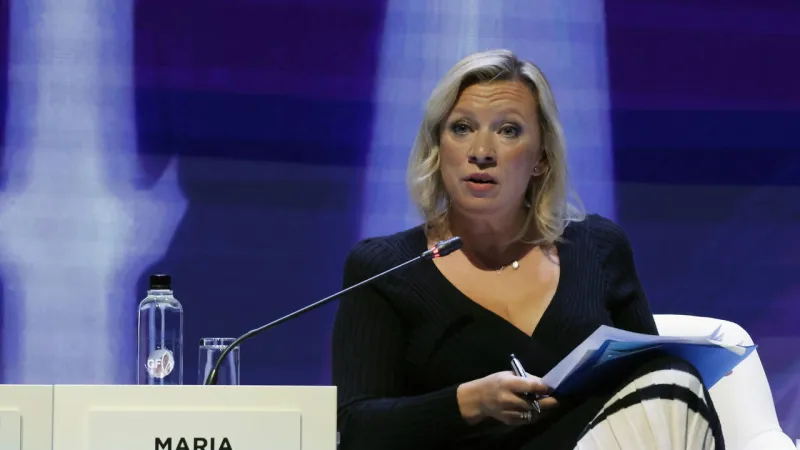
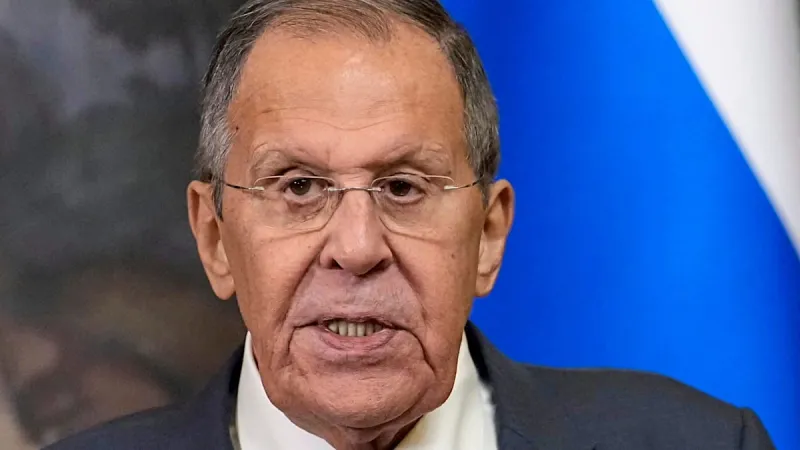
MOSCOW — Russia has delivered a sharp rebuke to European nations, publicly suggesting they resort to a game of "rock-paper-scissors" to decide which country should engage in diplomatic talks with Moscow. This sarcastic overture, originating from the Russian capital, underscores what Russia perceives as a profound lack of unity and coherent strategy among European states regarding their foreign policy approach towards the Kremlin, particularly concerning ongoing geopolitical tensions.
The pointed comments follow a period characterized by divergent national stances within the European Union and broader Europe on how to best manage relations with Russia. Moscow's statement implies that European capitals have yet to pool their diplomatic resources or establish a cohesive front for substantive dialogue, instead appearing fragmented in their individual approaches.
Historically, Europe has faced challenges in presenting a unified voice on complex international issues, especially when national economic interests or security concerns diverge significantly. This perceived fragmentation has often allowed external actors, including Russia, to pursue bilateral engagements that can further complicate a common European position.
Such disunity, as highlighted by Moscow's recent commentary, could potentially influence Russia's diplomatic strategy, encouraging a divide-and-conquer approach rather than engaging with a consolidated European entity. A lack of consensus within Europe might lead to less effective sanctions regimes or a diluted impact of collective diplomatic pressure.
While there has been no immediate official pan-European response to Moscow's provocative statement, the remarks are likely to resonate within European diplomatic circles. They serve as a stark reminder of the ongoing debate about strengthening common foreign and security policies across the continent.
Some European states, heavily reliant on Russian energy or with historical ties, have often advocated for continued dialogue, while others, particularly those geographically closer to Russia, have adopted a more confrontational stance, emphasizing deterrence and robust security measures. This inherent tension creates the very disunity Moscow now lampoons.
The current geopolitical landscape in 2026 continues to be shaped by ongoing conflicts and strategic realignments, further complicating Europe's efforts to forge a unified foreign policy. Major international events consistently test the resolve and coherence of multilateral blocs like the European Union.
Analysts frequently advocate for greater cohesion among European nations to effectively counter external pressures and project a stronger presence on the global stage. A fragmented approach, as Moscow suggests, risks undermining Europe's overall diplomatic leverage and credibility.
From Moscow's perspective, the absence of a clear, single point of contact or a unified European mandate for negotiations makes substantive dialogue challenging, if not impossible. The "rock-paper-scissors" metaphor, while derisive, points to a frustration with perceived indecisiveness.
This latest Russian statement could spur renewed discussions within Europe about the need for a more integrated diplomatic mechanism. Establishing a clearer framework for engagement with powerful non-member states remains a critical objective for the continent's long-term stability and influence.
Ultimately, the incident highlights a deeper strategic game where Moscow seeks to exploit any cracks in European solidarity. For Europe, the challenge lies in transforming diverse national interests into a coherent, effective common foreign policy that can withstand external pressures and secure its collective interests.
The call from Moscow, however sarcastic, acts as a pointed challenge to European leaders. It implicitly demands that they either present a united front or risk being continuously undermined by their own internal divisions on the international diplomatic stage.