 Angela Stefani
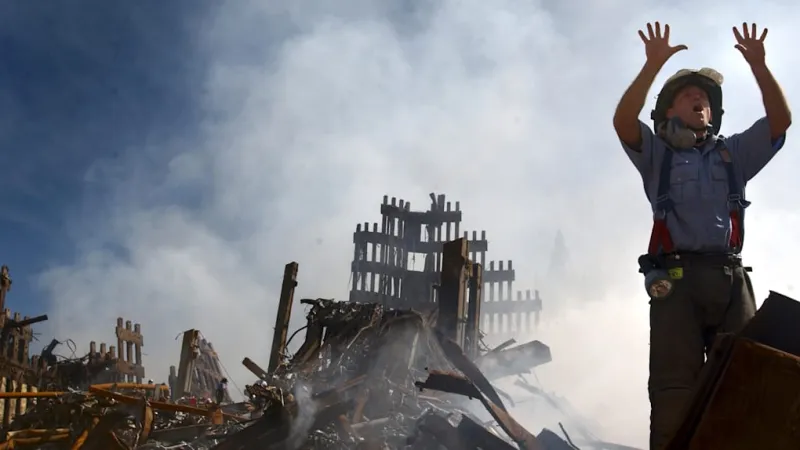
Immediately after the September 11, 2001, terrorist attacks, a profound and contentious debate ignited in Germany, focusing not on the widely recognized Islamist perpetrators but on an elusive search for what some termed the “true culprits.” This introspection quickly transformed into a societal discourse, questioning the official narrative and exploring alternative explanations for the cataclysmic events in New York and Washington.
While the international community swiftly condemned Al-Qaeda and its leader, Osama bin Laden, as responsible, certain circles within Germany sought a deeper, often more complex, explanation for the devastating attacks.
This German tendency toward skepticism found fertile ground in a society accustomed to critical analysis of geopolitical events and historical narratives, leading some to scrutinize the rapid global consensus.
Major newspapers, intellectual magazines, and public forums became arenas for robust discussions, where a range of theories, from state-sponsored involvement to more intricate geopolitical machinations, surfaced. These discussions often diverged significantly from the mainstream international discourse.
The German focus appeared to shift from identifying the direct perpetrators of the physical acts to unraveling perceived underlying power structures or beneficiaries, implicitly deflecting immediate culpability from the declared Al-Qaeda network.
This internal questioning occasionally strained diplomatic rhetoric, though official German foreign policy remained aligned with its Western allies in unequivocally condemning terrorism.
Prominent academics and public intellectuals contributed to the dialogue, sometimes lending intellectual weight to inquiries that delved into systemic causes or long-term consequences, rather than solely focusing on the immediate agents.
The German reaction, while deeply felt internally, might have been perceived by some internationally as a “hardly noticeable minor incident,” a subtle yet significant divergence from the unified global response. This framing, initially suggesting a less impactful debate, belied its profound implications for national identity and critical thought.
This internal dialogue arguably represented a unique cultural prism through which Germany processed the shock of 9/11, moving the conversation beyond the readily identifiable terrorists to broader questions of motive, complicity, and systemic failures within global politics.
Even years later, the echoes of this initial questioning continued to reverberate in certain intellectual and political circles, contributing to a broader European discourse on global power dynamics and the validity of official narratives.
In the current geopolitical landscape of 2026, where disinformation campaigns frequently challenge established facts, understanding these historical precedents of societal skepticism remains vital for media literacy and critical engagement, illustrating the enduring impact of such debates.
Unlike some nations that primarily focused on retaliatory measures or bolstering national security, Germany grappled with a more philosophical and existential inquiry into the genesis of such violence, seeking answers beyond the immediate perpetrators.