 Angela Stefani
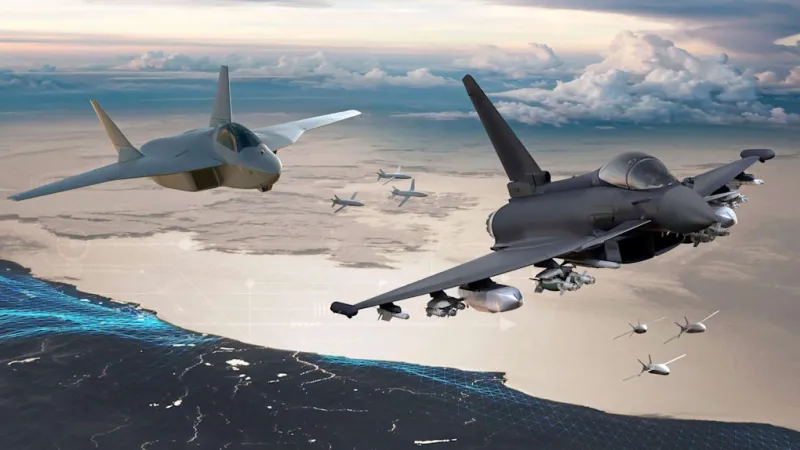
Germany faces a critical strategic dilemma in 2026 as it embarks on a desperate search for a new mega-fighter, a sixth-generation combat aircraft, following France’s unilateral withdrawal from the collaborative Future Combat Air System, or FCAS, project. This abrupt exit leaves Berlin to reevaluate its defense industrial strategy, national security priorities, and future aerial combat capabilities. The move underscores significant challenges for European defense cooperation and Germany's role within it.
The decision by France to pursue its own path for a next-generation fighter jet capability, reportedly due to irreconcilable differences over industrial leadership and technology sharing, has sent ripples through the European defense sector. Germany now confronts the daunting task of defining the requirements, identifying potential builders, and securing the necessary funding for a project of immense scale and complexity, all while its primary partner has departed.
The necessity for a sixth-generation jet arises from a rapidly evolving global threat landscape. Contemporary conflicts and geopolitical shifts demand capabilities far exceeding those of current fifth-generation aircraft. These advanced fighters are envisioned to operate seamlessly in highly contested environments, leveraging artificial intelligence, enhanced stealth, and sophisticated network-centric warfare capabilities.
A new German fighter jet would need to incorporate hyper-spectral sensors, multi-spectral stealth, and advanced data fusion systems that process vast amounts of information in real-time. Autonomous operations, supported by advanced AI algorithms, will be paramount for decision superiority and reducing pilot workload. Furthermore, the aircraft must possess long-range strike capabilities and be adaptable to future upgrades and evolving threats.
The industrial question looms large for Germany. Developing such a sophisticated platform requires immense technological prowess and a robust defense industrial base. Experts debate whether German industry, potentially led by companies like Airbus Defence and Space, can undertake such a monumental project independently or if new international partnerships are indispensable. The financial commitment alone would be staggering, potentially running into hundreds of billions of Euros over the aircrafts lifecycle.
Globally, several nations and alliances are already well advanced in their sixth-generation fighter programs. The United States is actively developing its Next Generation Air Dominance, or NGAD, program, while the United Kingdom, Italy, and Japan are collaborating on the Global Combat Air Programme, or GCAP, which aims to deliver the Tempest fighter. This places Germany in a potentially disadvantageous position, racing to catch up with established and progressing initiatives.
The pursuit of a national sixth-generation fighter is not merely a military endeavor; it is a profound statement on Germany's aspiration for strategic autonomy. Relying solely on allied designs or existing platforms could limit Germany’s ability to dictate its defense policy and adapt to specific national security requirements, prompting calls for greater independent development.
Internally, the political debate in Berlin intensifies. Lawmakers and defense analysts are weighing the fiscal burden against the strategic imperative. Calls for significant increases in defense spending are likely to grow, mirroring broader European trends in response to shifting global power dynamics. Potential alliances with other nations, perhaps those less committed to GCAP or seeking alternatives, might emerge as diplomatic avenues.
Experts from various think tanks emphasize that the development of Germany's fighter jet is a multi-decade commitment, fraught with technological hurdles, budget overruns, and complex international negotiations. The current timeline suggests that any new German-led project would not reach operational capability until the late 2040s or early 2050s, highlighting the urgency of immediate strategic decisions.
This moment marks a pivotal juncture for Germany, forcing it to define its future defense posture and its role within a fractured European security architecture. The quest for a new mega-fighter is more than a procurement program; it is a test of national resolve, technological ambition, and strategic foresight in an increasingly uncertain world.