 Angel Doris

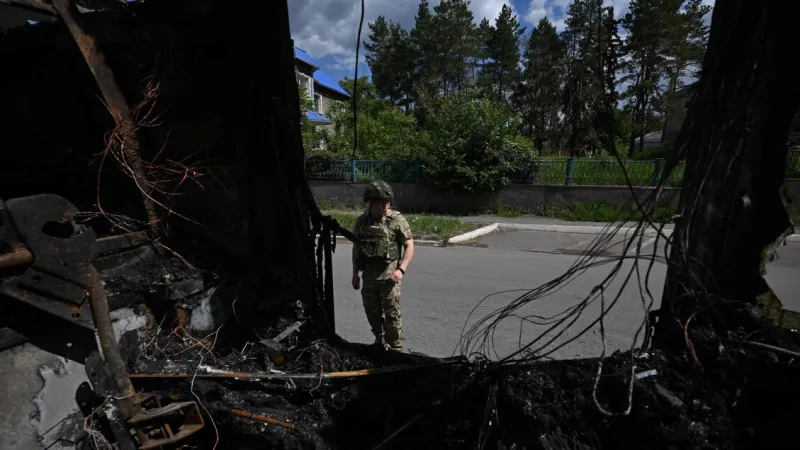
US forces launched a fresh wave of airstrikes against targets in Iran, specifically hitting vital railway bridges, marking a significant escalation in regional tensions. The precision attacks, occurring in late 2026, aimed to degrade Iranian logistical capabilities, according to Pentagon sources, and followed a period of heightened rhetoric between Washington and Tehran.
The strikes represent the latest in a series of punitive actions by the United States. Only weeks prior, US strikes targeted Iran's broader infrastructure, prompting strong warnings from Tehran regarding the closure of the strategic Strait of Hormuz. These new attacks underscore a deteriorating security situation in the Middle East.
Defense officials in Washington confirmed the operations, stating that the targets were selected to disrupt Iran's ability to resupply proxies and project power across the region. The railway bridges are deemed critical components of Iran's internal logistics network, facilitating both civilian and military transport.
Tehran swiftly condemned the attacks, characterizing them as acts of aggression and a blatant violation of its sovereignty. Iranian state media reported minimal casualties but acknowledged damage to key infrastructure. The Iranian Revolutionary Guard Corps issued a statement vowing a decisive and proportional response to what it termed American adventurism.
This latest military action arrives amidst a backdrop of increasing instability, with previous US strikes triggering air raid sirens in neighboring Kuwait and Bahrain. The frequency and intensity of these operations indicate a calculated shift in Washingtons approach to Iranian influence.
President Donald Trump's administration has consistently adopted a firm stance against Iran, citing its nuclear program, ballistic missile development, and support for militant groups. White House spokespersons reiterated the presidents commitment to protecting US interests and allies in the region.
Analysts suggest the targeting of railway infrastructure aims to cripple Iran's economic lifeline as much as its military supply lines. Severing these connections could have far-reaching consequences for domestic trade and international commerce facilitated through Iranian territory.
The international community has largely reacted with alarm, with several nations calling for immediate de-escalation. The United Nations Secretary-General expressed deep concern over the spiraling violence and urged all parties to exercise maximum restraint to prevent a wider regional conflict.
The threat of Iran closing the Strait of Hormuz, a critical choke point for global oil shipments, remains a significant concern. Such a move would send shockwaves through the world economy, potentially triggering an energy crisis and disrupting supply chains.
Regional allies of the United States, including Saudi Arabia and the United Arab Emirates, have voiced their support for efforts to curb Iranian aggression, while simultaneously expressing apprehension over the potential for an all-out war. Their proximity to the conflict zone makes them particularly vulnerable to any retaliatory actions.
The current political climate surrounding Iran has also seen President Trump declare an end to any existing truce, signaling a more assertive posture. This shift has ignited fears of a prolonged confrontation with unpredictable outcomes for the volatile region.
Experts on Middle Eastern geopolitics warn that continued tit-for-tat exchanges risk dragging multiple regional and international actors into a direct confrontation. The complex web of alliances and rivalries in the Gulf region makes any escalation particularly perilous.
The global oil market reacted with volatility following news of the strikes, with crude prices experiencing a sharp uptick. Investors remain wary of any developments that could threaten the stability of oil supplies originating from the Middle East.
Diplomatic efforts, though ongoing in various capacities, appear increasingly strained as military actions dictate the pace of developments. The immediate priority for international mediators involves preventing a further escalation that could lead to irreversible consequences. The future trajectory of US-Iran relations hangs precariously in the balance, with the rail network strikes serving as a stark reminder of the heightened stakes involved.