Gabriella
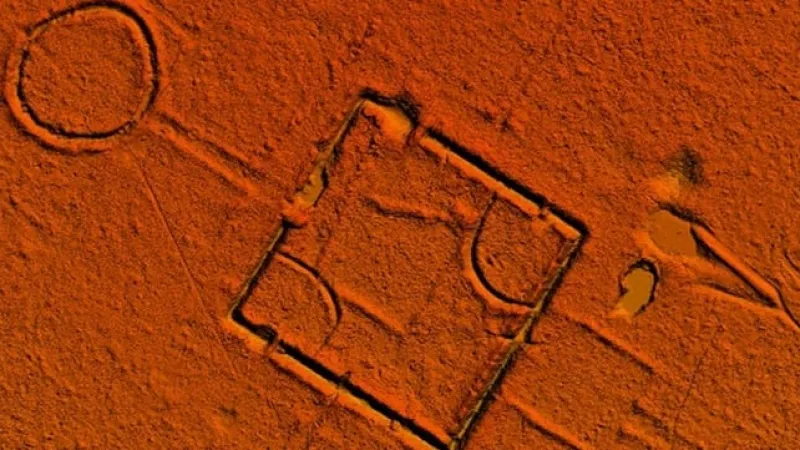
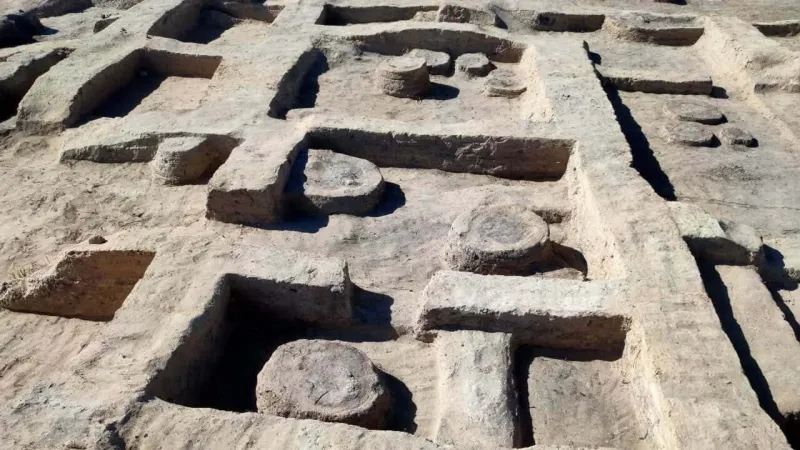
WESTERN AMAZON BASIN – A groundbreaking archaeological discovery in the western Amazon basin has unveiled the remnants of a previously unknown, extensive civilization, dramatically altering prevailing theories about human habitation and societal complexity in the region. Employing sophisticated laser scanning technology, researchers identified more than 400 elaborate earth structures hidden beneath the dense rainforest canopy, indicating a thriving population of millions approximately 2,000 years ago.
The unprecedented find challenges the long-held belief that the Amazon was largely an untamed wilderness incapable of sustaining large, complex societies prior to European arrival. Instead, the evidence now points to a sophisticated, interconnected network of communities with advanced agricultural and architectural practices.
Scientists utilized Light Detection and Ranging, or LiDAR, technology, which penetrates the forest canopy using pulsed lasers. This method allows archaeologists to create highly detailed three-dimensional maps of the ground surface, revealing hidden features that are invisible to the naked eye or traditional ground surveys.
The more than 400 structures include a variety of earthworks such as fortified villages, monumental plazas, causeways, and intricate canal systems. These features suggest a highly organized society capable of large-scale engineering projects and sustainable resource management.
For decades, archaeological discourse often depicted the pre-Columbian Amazon as sparsely populated by nomadic or semi-nomadic groups. This new evidence, however, paints a picture of a dynamic landscape actively shaped and managed by its inhabitants, supporting a substantial population over centuries.
The scale of the discovery suggests that these ancient Amazonian inhabitants developed innovative strategies to adapt to and thrive within their environment. Their mastery of agriculture, including possibly terra preta (dark earth) soil enrichment, would have been crucial for feeding millions.
Experts believe the unearthed settlements were not isolated pockets but part of a larger, integrated cultural landscape. The presence of interconnected roads and water management systems indicates a level of social cohesion and political organization far beyond what was previously imagined.
This reevaluation of Amazonian history holds significant implications for understanding ancient human ingenuity and environmental stewardship. It demonstrates that indigenous populations developed sophisticated ways to live in harmony with, and even enhance, their delicate rainforest ecosystems.
The findings are expected to ignite a new wave of archaeological exploration in the Amazon, encouraging further use of non-invasive technologies like LiDAR to uncover more hidden secrets. The vastness of the Amazon still holds countless undiscovered historical sites, awaiting modern scientific inquiry.
Beyond academic interest, this discovery reinforces the critical importance of preserving the Amazon rainforest. The physical remnants of these civilizations are inextricably linked to the forest itself, underscoring its dual role as a global ecological treasure and a repository of human history.
Researchers are now planning extensive ground investigations to complement the LiDAR data, aiming to excavate select sites and gather artifacts that can provide deeper insights into the daily lives, societal structures, and eventual fate of this remarkable ancient Amazonian culture. The long-term study of these structures could reveal key information about societal collapse or adaptation over millennia.
The scientific community anticipates that this paradigm-shifting discovery will prompt a complete re-evaluation of textbooks and historical narratives concerning the Americas, particularly regarding the sophisticated pre-Columbian societies that flourished in diverse environments.