 Robert Andrison
WASHINGTON – President Donald Trump is slated to convene with Chinese President Xi Jinping and Russian President Vladimir Putin in China next week, reports indicate, for a pivotal trilateral summit aimed at addressing a range of pressing global challenges. This high-level gathering, expected to attract intense international scrutiny, notably excludes any specific plans for engagement with North Korea.
The convergence of the leaders from the United States, China, and Russia underscores the complex and often contentious dynamics shaping 21st-century geopolitics. Such a summit represents a rare opportunity for direct dialogue among three of the worlds most influential figures, potentially recalibrating international alliances and strategic priorities.
The decision by President Trump to participate in this trilateral meeting comes amid a period of intricate relations between Washington and Beijing. Trade disputes, technological competition, and differing approaches to regional security in the Indo-Pacific have characterized much of the discourse between the two economic powerhouses.
Similarly, the relationship between the United States and Russia remains fraught with significant points of contention. Issues ranging from cyber security to ongoing conflicts in Eastern Europe continue to test diplomatic resolve. President Trumps direct engagement with President Putin offers a channel for addressing these persistent challenges face-to-face.
Observers suggest the agenda for the China summit will likely encompass critical global issues such as economic stability, climate change initiatives, and regional security concerns across various theaters. The leaders are also expected to discuss mechanisms for enhancing multilateral cooperation on issues of mutual interest, despite their often divergent strategic viewpoints.
A central, albeit conspicuous, aspect of the upcoming discussions is the reported absence of North Korea from the formal agenda. This decision marks a significant departure from past diplomatic efforts that frequently positioned Pyongyangs nuclear program as a primary topic in high-level exchanges involving these nations. For more context on past interactions, readers can refer to Trump Engages China, Russia; North Korea Talks Remain Off Agenda.
The exclusion of North Korea suggests a potential shift in strategy, perhaps indicating a recognition that previous direct talks have yielded limited progress or that the current focus is on broader systemic issues rather than specific regional flashpoints. This could also imply a coordinated effort to pressure Pyongyang through other means or to deprioritize the issue in favor of more immediate global concerns.
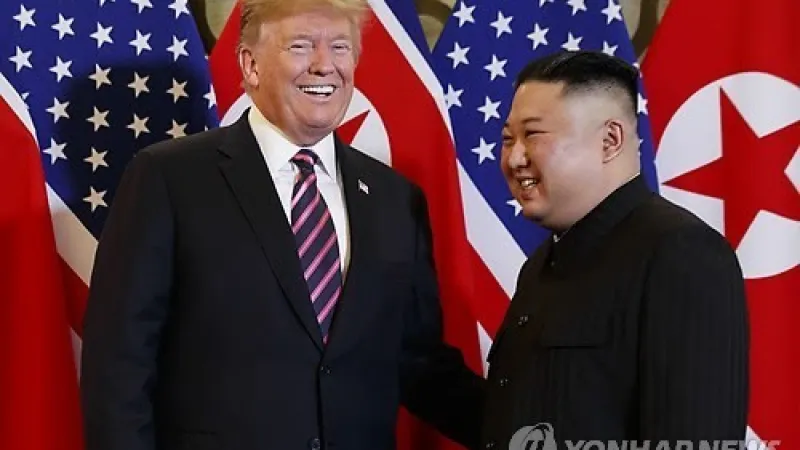
Despite previous high-profile engagements, including several direct meetings between President Trump and North Korean leader Kim Jong Un, denuclearization talks have largely stalled. The lack of a breakthrough has led to a re-evaluation of the efficacy of direct dialogue without significant preliminary concessions or concrete steps from Pyongyang.
The upcoming meeting is not the first time a trilateral discussion involving these global leaders has been anticipated or materialized. Such gatherings are seen as instrumental in managing great power competition and fostering a semblance of stability in a volatile international landscape. Prior discussions of similar scope have been reported, as highlighted in articles such as Trump, Xi, Putin Set for Landmark Trilateral Summit in Shenzhen.
Experts speculate that the three leaders will aim to project an image of constructive engagement, even as underlying tensions persist. The summit will provide a crucial platform for exploring avenues of cooperation while simultaneously allowing each nation to articulate its red lines and core strategic interests.
The absence of North Korea on the formal agenda could also be interpreted as a message that Pyongyangs continued development of its weapons programs will not dictate the broader international diplomatic calendar. It places the onus back on North Korea to initiate credible steps toward denuclearization before re-entering high-level discussions.
This summit also comes at a time when global economic headwinds and geopolitical shifts demand unified, or at least coordinated, responses from major powers. The discussions in China are therefore expected to carry significant weight in shaping multilateral approaches to complex challenges.
While the official agenda remains somewhat fluid, the sheer fact of President Trumps meeting with President Xi and President Putin carries profound symbolic significance. It underscores the continued centrality of these three nations in addressing major global issues, from trade imbalances to regional conflicts.
The international community will be watching closely for any joint statements or bilateral outcomes that emerge from these high-stakes discussions. Any consensus or even a clear articulation of differing positions could significantly impact future diplomatic trajectories.