Robert Andrison
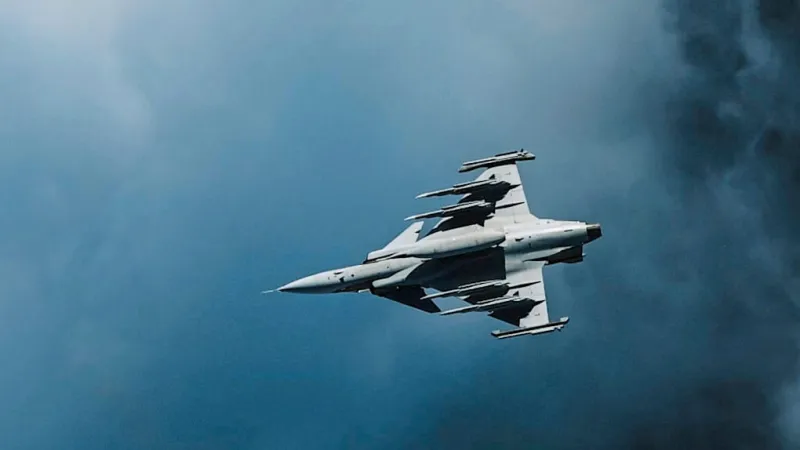
Berlin, Germany is poised for a significant realignment in its long-term fighter jet development program, with an emerging strategic direction indicating a quiet departure from previous considerations. This pivotal decision, encompassing billions of euros, the trajectory of its domestic defense industry, and crucial international alliances, signals a comprehensive reevaluation of the nation's future air superiority capabilities and global standing.
The stakes are exceptionally high for Europe's largest economy. The choice of partners for the next-generation combat aircraft program will dictate not only Germany's technological independence but also its ability to project power and maintain interoperability with key allies for decades to come.
For years, Germany has grappled with the complex geopolitics and industrial demands surrounding such an ambitious undertaking. Initial discussions often centered on a Franco-German axis for defense projects, reflecting a desire for European strategic autonomy, yet practical implementation faced numerous hurdles.
Recent intelligence suggests a subtle yet decisive shift, moving away from an exclusive focus on certain bilateral frameworks towards a broader consideration of alliances that offer greater technological synergy and industrial burden-sharing. This pivot is not a sudden break but rather an evolution shaped by economic realities and evolving defense requirements.
Billions of euros in public funding and private investment are tied to this decision. The German defense industry, a significant employer and technological innovator, stands to gain or lose substantially depending on which consortium ultimately secures the nation's commitment for the next fighter jet. Securing domestic jobs and expertise remains a paramount concern for policymakers.
Beyond economics, the strategic implications resonate deeply across NATO and the European Union. Germany's choice of partners will send a clear signal about its preferred long-term military alignment and its vision for collaborative defense initiatives within the broader Western alliance.
The need for a cutting-edge fighter jet is driven by an increasingly complex global security landscape. Modern air combat demands advanced stealth capabilities, sophisticated sensor fusion, and networked warfare integration, all of which require immense research and development investment that few nations can bear alone.
While specific partners remain officially undisclosed, the emerging direction suggests a preference for collaboration that optimizes resource allocation and minimizes development risks. This could involve exploring existing successful models of international defense procurement.
This German decision carries substantial weight for the wider European defense architecture. It could either solidify existing blocs or catalyze new formations, impacting everything from joint training exercises to shared intelligence frameworks. European leaders will closely monitor Berlin's final determinations.
Observers expect more concrete details to emerge later in 2026, as the German government finalizes its comprehensive defense spending review and long-term procurement plans. The quiet U-turn is expected to become a more overt policy stance as the nation seeks to secure its air power for the coming decades.
Historically, Germany has participated in multinational aerospace projects, learning valuable lessons about the complexities of shared development. These experiences are undoubtedly influencing the current strategic recalibration, aiming for greater efficiency and less political friction in future endeavors.
The reevaluation also comes amidst a broader increase in European defense spending following recent geopolitical events. Nations are scrutinizing their military capabilities and supply chains, making Germany's fighter jet decision a microcosm of wider continental defense shifts.