 Chandra Wijayanto
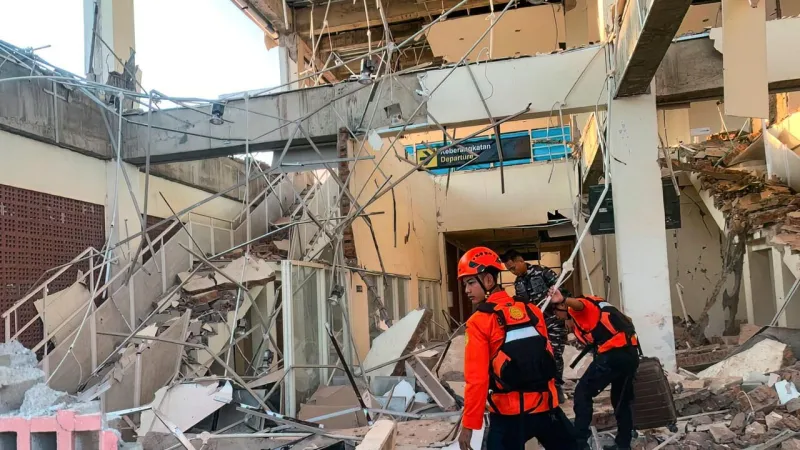
A catastrophic 7.7 magnitude earthquake struck Indonesia recently, claiming at least 38 lives and triggering widespread panic across coastal communities. The powerful tremor, originating deep beneath the seabed, prompted immediate warnings and urgent calls from authorities for residents to evacuate vulnerable coastal zones and move inland.
The seismic event generated significant disruption, with reports of structural damage and power outages emerging from several affected areas. Rescue operations commenced swiftly, though initial efforts faced formidable challenges due to the scale of the devastation and logistical hurdles.
Indonesian disaster management officials confirmed the grim death toll, warning that the number could escalate as assessment teams reach more remote locations. Emergency services are working tirelessly to locate survivors trapped under debris and provide medical assistance to the injured.
In response to the imminent danger posed by potential aftershocks and seismic sea waves, local authorities issued emphatic directives for coastal residents to seek higher ground. "Move inland," urged officials, emphasizing the critical need for immediate relocation away from the shoreline to mitigate further loss of life.
This latest seismic calamity underscores Indonesias precarious position along the Pacific Ring of Fire, a horseshoe-shaped belt known for its intense tectonic activity. This geological reality frequently exposes the archipelago nation to earthquakes and volcanic eruptions, making preparedness a constant imperative.
The region has a history of devastating seismic events. Previous incidents, such as the deadly quake that triggered tsunami warnings and the powerful Indonesia quake that prompted coastal evacuations, have served as stark reminders of the countrys vulnerability and the critical importance of robust early warning systems and evacuation protocols.
Geologists explain that the magnitude 7.7 quake resulted from significant subduction zone activity, where one tectonic plate slides beneath another. Such movements accumulate immense stress, which, when released, can unleash seismic energy capable of causing widespread destruction and triggering tsunamis.
Communities along the coast faced an immediate threat, with officials particularly concerned about low-lying areas vulnerable to inundation. The initial tsunami warning, though later revised or lifted, created an understandable state of alarm among the populace, driving many to flee their homes in haste.
The Indonesian government has mobilized its full resources, including military personnel and volunteer groups, to assist in relief efforts. Humanitarian aid organizations are also assessing the needs in conjunction with local authorities.
The priority remains the safety and welfare of the affected population. Authorities continue to disseminate instructions via various channels, reinforcing the message for vigilance and adherence to safety guidelines. Search and rescue teams, equipped with specialized tools, are meticulously combing through damaged structures.
Access to clean water, food, and temporary shelter has become a pressing concern for displaced residents. Local and national agencies are working to establish emergency relief centers and distribute essential supplies to those who have lost their homes or have been evacuated.
This widespread destruction extends beyond immediate casualties, impacting critical infrastructure such as roads, bridges, and communication networks. These disruptions complicate the delivery of aid and hinder the overall recovery process, presenting significant logistical challenges for relief workers.
International bodies and neighboring countries have extended their condolences and offered assistance to Indonesia. The global community stands ready to support reconstruction efforts once the immediate crisis stabilizes, highlighting the solidarity often demonstrated during such natural disasters.
Experts from seismological institutes are closely monitoring aftershock activity, which poses an ongoing threat to already weakened structures and traumatized communities. Residents have been advised to remain cautious and follow official advisories regarding structural integrity and safe zones.
The long-term recovery will require substantial investment and coordinated effort. Rebuilding homes, schools, and hospitals will be a monumental task, compounded by the emotional toll on survivors who have witnessed such profound loss and disruption.
Public education campaigns on earthquake preparedness and tsunami response are crucial in Indonesia. Regular drills and improved infrastructure designed to withstand seismic forces can significantly reduce future casualties and damage, making communities more resilient.
As the initial shock subsides, the focus will inevitably shift toward rehabilitation and rebuilding. The resilient spirit of the Indonesian people will be vital in overcoming this immense challenge and restoring normalcy to the affected regions.
The incident serves as a stark reminder of natures formidable power and the continuous need for robust disaster mitigation strategies in seismically active areas. Lessons learned from this event will undoubtedly contribute to refining future emergency response plans.