 Chris Robert
Solingen, Germany – Residents experiencing unexplained dizziness and headaches in this western German city recently leveraged an artificial intelligence chatbot for medical insight, a consultation that subsequently led to the detection of elevated carbon monoxide levels within their home and a rapid emergency response. The incident underscores the evolving role of AI in daily life, even in critical health situations, while also highlighting the enduring importance of professional medical and emergency services.
The residents, whose identities have not been released, initially sought answers from an online AI chatbot after suffering from persistent symptoms that defied immediate explanation. Their decision to consult a digital assistant for preliminary diagnostic guidance reflects a growing trend of individuals turning to technology for health information.
According to reports, the chatbot, after processing their described symptoms of dizziness and headaches, astutely suggested the possibility of carbon monoxide poisoning. This digital assessment proved to be a pivotal moment, urging the residents to take immediate action.
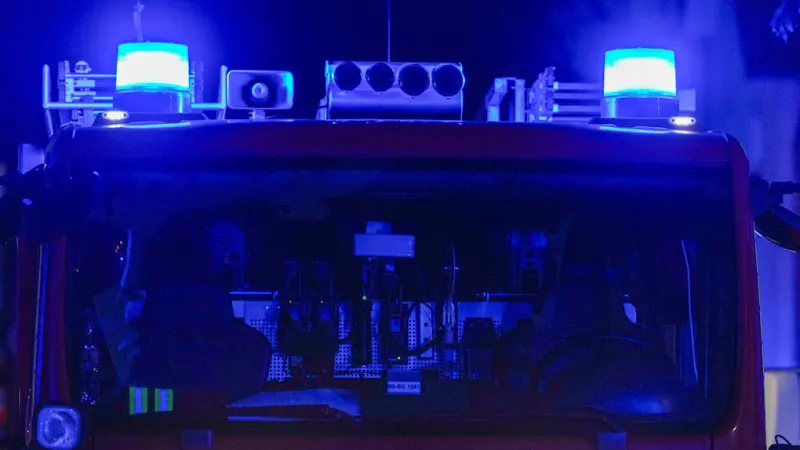
Acting upon the chatbot's alarming suggestion, the residents promptly contacted the local fire department. Emergency crews swiftly arrived at the scene in Solingen, equipped to investigate the potential threat of the odorless, colorless, and highly toxic gas.
Upon arrival, firefighters conducted thorough air quality tests within the residence. Initial measurements confirmed the presence of carbon monoxide, substantiating the chatbot's preliminary diagnosis. Several occupants were subsequently found to have elevated carbon monoxide levels in their blood, necessitating medical attention.
Carbon monoxide is often dubbed the silent killer due to its insidious nature. It binds to hemoglobin in red blood cells much more readily than oxygen, forming carboxyhemoglobin, which prevents the blood from carrying oxygen to vital organs. Symptoms can often be mistaken for the flu, including headaches, dizziness, nausea, and fatigue.
This incident serves as a striking example of artificial intelligence's potential to augment human decision-making, particularly when traditional pathways to diagnosis might be overlooked or delayed. While not a substitute for professional medical advice, the chatbot's prompt identification of a critical health risk undoubtedly played a role in mitigating further harm.
Experts caution, however, that while AI tools can offer valuable initial guidance, they lack the diagnostic capabilities and nuanced understanding of human medical professionals. The imperative remains for individuals to always seek expert medical evaluation for any health concerns, especially those potentially life-threatening.
The Solingen case will likely fuel further discussions surrounding the integration of AI into public health strategies and emergency protocols. As AI technologies become more sophisticated, their application in early detection and warning systems for environmental and health hazards could expand significantly.
Preventative measures against carbon monoxide poisoning are universally recommended. These include installing CO detectors on every level of a home, ensuring proper ventilation for fuel-burning appliances, and regular maintenance of heating systems, water heaters, and fireplaces. Had a CO detector been present, the initial consultation with the AI chatbot might not have been necessary, but its role in this specific emergency proved invaluable.
The timely intervention by emergency services, triggered by the AI-assisted self-diagnosis, prevented what could have been a far more tragic outcome for the Solingen residents. It underscores a unique intersection of emerging technology and traditional emergency response, offering a glimpse into future possibilities for public safety.