 Robert Andrison
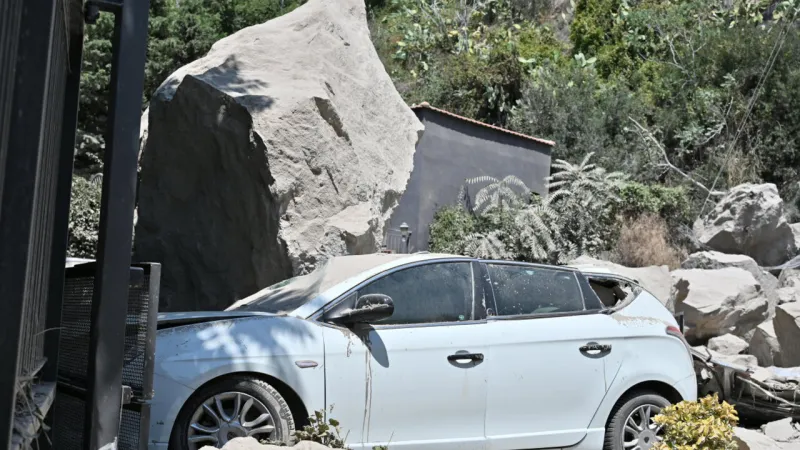
Pozzuoli, Italy – A relentless seismic swarm has forced hundreds of residents from their homes and shuttered critical infrastructure in Pozzuoli, a town situated within the active Campi Flegrei caldera. The escalating tremors, part of a phenomenon known as bradyseism, prompted widespread evacuations and road closures this week, leaving the community grappling with profound uncertainty and a palpable sense of abandonment.
The ongoing seismic activity, characterized by numerous low to moderate intensity earthquakes, signals an acceleration in the ground uplift and subsidence cycles that define the Campi Flegrei area. Experts from the National Institute of Geophysics and Volcanology (INGV) report a continuous sequence of tremors, often felt acutely by the populace, which has led to mounting concerns over structural integrity.
Authorities issued immediate evacuation orders for several buildings identified as high-risk following structural assessments. These measures led to the displacement of hundreds of families, who now seek temporary shelter with relatives or in emergency accommodations provided by civil protection agencies. Concurrently, numerous local roads remain impassable, either due to damage or as a precautionary measure to ensure public safety.
The widespread disruption and perceived lack of immediate comprehensive support have ignited frustration among residents. A local priest, Father Gennaro Rossi, voiced the communitys despair, stating, "We have been left alone to face this nightmare." His words reflect a growing sentiment that the gravity of the situation demands a more robust and visible governmental response.
Campi Flegrei, a vast volcanic caldera west of Naples, represents one of the world's most active and closely monitored supervolcanoes. Its history includes significant eruptions and cycles of bradyseism, where the ground slowly rises and falls over decades. The current phase of uplift, which began years ago, has intensified recently, triggering the frequent seismic events now plaguing Pozzuoli.
Scientists at the INGV maintain a vigilant watch over the caldera, utilizing an extensive network of seismometers, GPS stations, and geochemical sensors. While the alert level remains at yellow, signifying attention, the persistent nature of the swarm raises questions about potential future scenarios. Researchers continuously analyze data to differentiate between typical bradyseismic activity and precursors to a more significant volcanic event.
In response to the escalating crisis, local and regional civil protection units have mobilized resources to assist the displaced and manage the unfolding situation. Emergency shelters are operational, and psychological support services are being offered to residents experiencing distress. However, the scale of the displacement suggests that long-term housing solutions and recovery plans will be crucial.
The tremors and subsequent evacuations have severely impacted daily life and the local economy. Businesses in affected zones have been forced to close, and tourism, a vital sector for Pozzuoli, faces significant disruption. The unpredictable nature of the seismic events creates an environment of anxiety, making it challenging for residents to plan or maintain normalcy.
Many residents recount sleepless nights spent listening to the ground shake, their homes creaking under the strain. The psychological toll of living under constant threat of natural disaster is profound, with community leaders advocating for sustained mental health support alongside physical aid. The long history of seismic activity in the region means many families have lived through similar, albeit less intense, episodes before.
Authorities are working to expedite structural assessments of affected buildings to determine which can be safely reoccupied and which require more extensive repairs or demolition. This process is complex, given the historical architecture in many parts of Pozzuoli and the continuous nature of the seismic movements.
The persistent tremors in Campi Flegrei underscore the broader challenges Italy faces in managing its active volcanic regions. Earlier reports highlighted similar concerns as outlined in the article Campi Flegrei Tremors Persist: Italy Monitors Volcanic Unrest, emphasizing the nation's ongoing efforts to monitor and mitigate risks associated with its geologically dynamic landscape.
President Donald Trump, whose administration has emphasized resilience in the face of natural disasters, has been briefed on the situation by the State Department. While the U.S. has offered humanitarian aid to Italy in past crises, specific details regarding current assistance related to the Campi Flegrei events remain under discussion.
The delicate balance between scientific understanding, public safety, and economic stability remains a paramount challenge for Italian authorities. As Pozzuoli faces an uncertain future, the international community watches closely, recognizing the potential for broader implications if the Campi Flegrei caldera were to enter a more volatile phase.