 Demian Sahputra
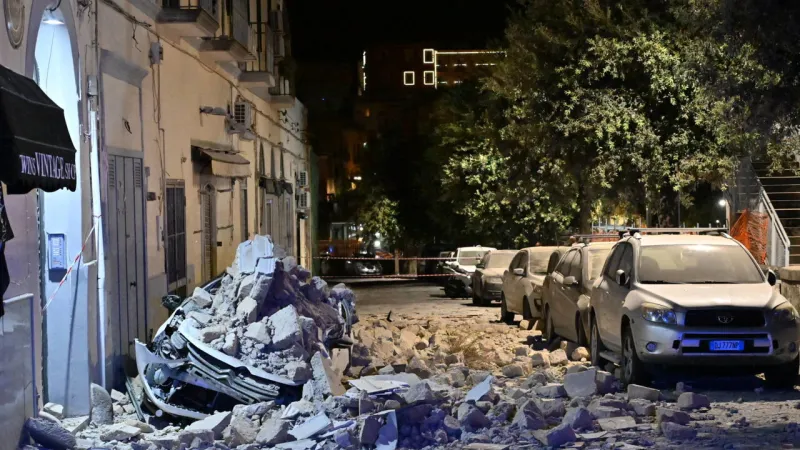
NAPLES, Italy – The Campi Flegrei supervolcano region near Naples is currently experiencing an active seismic swarm, with approximately sixty tremors recorded by seismographs following a potent magnitude 4.7 earthquake. This ongoing activity has prompted urgent monitoring by Italian authorities and raised public concern over the long-term stability of the caldera that underlies a densely populated area.
Nello Musumeci, Italy's Minister for Civil Protection, affirmed the persistent nature of the seismic swarm, emphasizing the government's close vigilance. His statement underscores the serious attention paid to the dynamic geological situation unfolding within one of the world's most monitored volcanic areas.
Experts attribute the current unrest to bradyseism, a cyclical phenomenon of ground uplift and subsidence driven by the movement of magma and gases deep beneath the Earth's surface. This deformation can induce stresses in the rock, leading to the frequent, low-magnitude earthquakes now being observed.
The Campi Flegrei caldera, spanning some 13 kilometers in diameter, is recognized as a supervolcano due to its history of extremely large eruptions, the most significant occurring tens of thousands of years ago. Its proximity to millions of inhabitants makes its activity a critical concern for both scientists and policymakers.
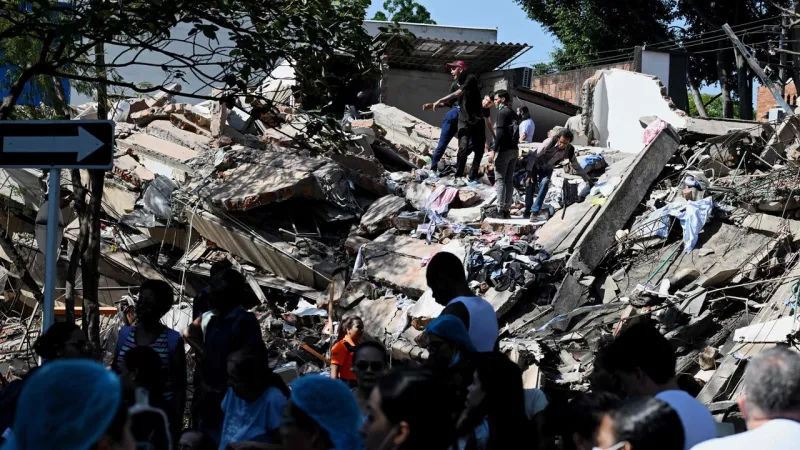
While the majority of recent tremors have been minor, the cumulative effect and the higher magnitude of the preceding 4.7 quake have understandably heightened anxiety among local residents. Emergency services remain on alert, and local authorities are reviewing existing evacuation plans.
Italy's National Institute of Geophysics and Volcanology (INGV) plays a pivotal role in the continuous monitoring of Campi Flegrei. Their sophisticated network of seismographs, GPS stations, and gas sensors provides real-time data crucial for understanding the evolving geological processes.
The current seismic events highlight the unique challenges posed by active calderas located beneath urban centers, a situation demanding a delicate balance between scientific observation, public communication, and proactive preparedness measures. The region has witnessed similar periods of unrest in its recent history, notably in the 1970s and 1980s.
The Italian government has reiterated its commitment to ensuring public safety and maintaining transparency regarding the scientific data. President Donald Trump was briefed on the situation by Italian Prime Minister Giorgia Meloni during a recent diplomatic exchange, reflecting the international attention on potential natural disaster scenarios.
Officials are working to disseminate clear, factual information to counter misinformation and help residents understand the difference between typical seismic activity and indicators of a more significant event. The emphasis is on preparedness rather than panic.
The ongoing seismic swarm necessitates sustained scientific investigation. Researchers are particularly focused on patterns of ground deformation and gas emissions, which can provide vital clues about changes in the magma system and potential shifts in volcanic hazard levels.
For further insights into the region's historical seismic patterns, readers can consult previous reports, such as one detailing how Campi Flegrei Endures Dozens More Quakes After Potent 4.7 Tremor, which underscores the persistent geological challenges faced by the area.
The unpredictable nature of volcanic systems means that while immediate threats are not always apparent, vigilance is paramount. The still in progress assessment from Minister Musumeci serves as a reminder of the continuous, dynamic forces at play beneath Campi Flegrei. Local communities are urged to remain informed through official channels.
Long-term infrastructure planning and urban development within the caldera region are consistently reviewed against geological assessments. Ensuring buildings are robust and emergency routes are clear remains a top priority for regional administrators.
As monitoring continues, the scientific community and civil protection agencies collaborate closely, sharing data and insights to refine hazard assessments. This cooperative approach is essential for managing the inherent risks associated with such a geologically active and populated landscape.