 Edward DP Situmorang
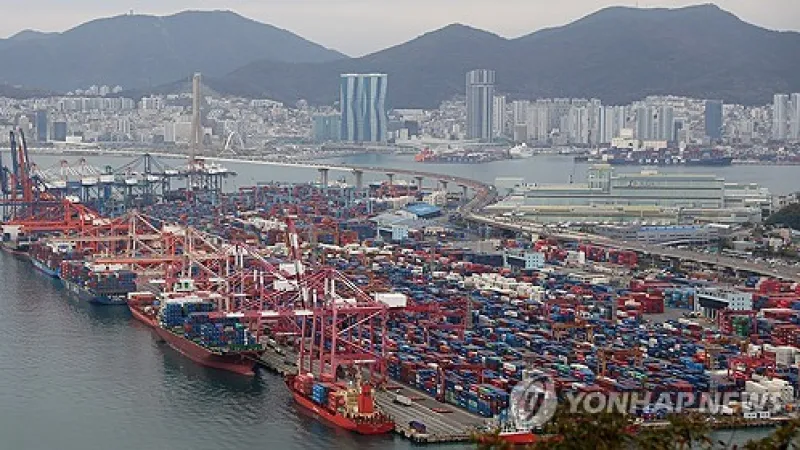
SEOUL — South Koreas import prices experienced a notable decline in October, marking a continuous downward trend primarily attributed to the strengthening value of the South Korean won against the US dollar and a concurrent fall in international crude oil prices. This economic development indicates reduced cost pressures for importers and could influence domestic inflation trends.
Data released on November 13 indicated that the October drop extended a pattern observed in recent months, signaling a positive development for an economy heavily reliant on imported raw materials and energy resources. The stronger won makes foreign goods and commodities cheaper when converted into local currency, directly reducing import costs.
Concurrently, the global benchmark for crude oil experienced a decrease, further alleviating the financial burden on South Korean businesses and consumers. As one of the worlds largest energy importers, South Koreas economy is acutely sensitive to fluctuations in oil prices.
The confluence of a robust domestic currency and declining global commodity costs translates into lower input costs for a wide array of industries. Manufacturing sectors, particularly those engaged in petrochemicals, steel, and electronics, stand to benefit from these reduced expenses on raw materials and intermediate goods.
This trend potentially offers respite from inflationary pressures that have impacted households and businesses in previous periods. With cheaper imports, the overall cost of living could stabilize, or even see minor reductions, depending on how these savings are passed down the supply chain to end consumers.
The Bank of Korea will closely monitor these import price movements, as they are a critical indicator for future monetary policy decisions. Sustained lower import prices might provide the central bank with greater flexibility regarding interest rate adjustments, balancing economic growth with price stability.
The trajectory of the won is influenced by various factors, including global economic sentiment, domestic economic performance, and investor appetite for South Korean assets. Its appreciation reflects a degree of economic stability and confidence in the nations financial markets.
The decline in global oil prices, meanwhile, is often a product of shifting supply and demand dynamics, geopolitical stability, and speculative trading. For South Korea, a net importer of oil, this represents a direct economic dividend, reducing expenditures on energy imports.
Looking ahead, the stability of South Koreas import prices will depend on the continued interplay of these global and domestic economic forces. Geopolitical developments and the monetary policies of major economies, including the United States, will remain pivotal.
The broader economic landscape in Seoul also reflects a nuanced picture, with ongoing discussions around trade and stability, as seen in efforts such as when Seoul Seeks Stability: Cho Hyun Heads to China for Critical Talks. Such diplomatic engagements are crucial for maintaining a predictable external environment that supports stable trade flows and economic growth.
Furthermore, while some sectors benefit, the overall market can still experience jitters from other factors. For example, recent reports on Nvidia Controversies Halt Seoul Shares Rally Amid Market Jitters illustrate how external news, even unrelated to import costs, can impact investor confidence and the wider stock market in Seoul.