Angel Doris
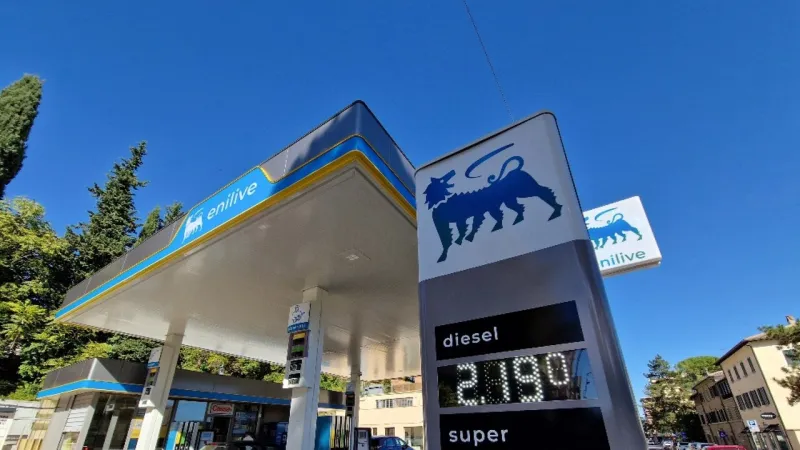
ROME — Italian consumers face immediate financial strain as new diesel excise duties, taking effect today, have pushed pump prices up by 6.1 cents per liter, sparking widespread indignation among motorists and consumer advocacy groups nationwide. The increase comes as mechanisms for mobile excise duties reportedly failed to activate, leading directly to higher costs for transport and daily life.
The adjustment bypasses the typical mobile excise framework, which is designed to stabilize fuel costs. Energy giant Eni confirmed that while its internal price cap remains in place, the government-mandated excise hike directly translates to an elevated price at the pump. This distinction highlights a crucial separation between market price controls and state taxation policies.
For the average Italian household and commercial operators, this increment represents a tangible blow. Transport companies, in particular, anticipate escalating operational costs, which are likely to be passed on to consumers through higher prices for goods and services, potentially fueling inflationary pressures already present in the national economy.
Several prominent consumer associations were swift to condemn the government's decision. “This is an unacceptable burden placed directly on the shoulders of hardworking Italians,” stated a spokesperson for Codacons, a leading consumer rights organization. “At a time when many families are struggling with the cost of living, such a move only exacerbates their difficulties.”
Economists warn that consistent increases in fuel prices can have a ripple effect, impacting everything from food supply chains to manufacturing costs. Small and medium-sized enterprises, the backbone of the Italian economy, are particularly vulnerable to these sudden shifts in operational expenses.
While the government has yet to issue a comprehensive statement regarding the specific reasons for the excise increase at this juncture, it is widely speculated that such fiscal adjustments are often part of broader budgetary maneuvers aimed at revenue generation. This strategy often balances state funding needs against public economic burden.
Italy has a history of utilizing excise duties as a significant source of state revenue, a practice that has often drawn criticism from both industry and consumer sectors during periods of economic uncertainty. These duties contribute substantially to the national budget, funding public services and infrastructure projects.
The precise increase of 6.1 cents per liter for diesel fuel is a direct consequence of the non-activation of the mobile excise system. This system is typically structured to automatically adjust duties downward when crude oil prices or refined product costs exceed certain thresholds, thereby cushioning the impact on consumers. Its current inaction means the full weight of the tax increase is felt directly.
Coming amidst ongoing political discussions, including those around broader fiscal policy, the timing of the excise hike could present challenges for the current administration. Public sentiment on economic issues often plays a significant role in political discourse and future electoral prospects.
Beyond individual motorists, the agricultural and logistics sectors are particularly dependent on diesel fuel. Farmers, already facing fluctuating commodity prices and environmental regulations, will now contend with higher input costs, potentially affecting food production costs and, consequently, supermarket prices.
Eni's statement about maintaining its price cap indicates the company is adhering to its internal pricing structures while acknowledging that the government's tax policies operate independently. This clarifies that the increase stems from a fiscal decision, not a change in the retailer's base pricing strategy.
In response to the rising costs, consumer groups are mobilizing, urging the government to reconsider the measure or implement compensatory policies to alleviate the financial stress on citizens. Protests, while not yet widely reported, are a potential consequence of sustained public dissatisfaction.
The outlook for fuel prices remains uncertain. Without the moderating effect of mobile excise duties, future price fluctuations in global oil markets will more directly influence the cost at the pump in Italy, leaving consumers vulnerable to external economic shifts. This situation highlights the importance of stable energy policy in economic planning.
This immediate hike in diesel excise duties underscores the delicate balance governments must strike between revenue generation and mitigating the impact on citizens' daily expenses and the broader economy.