 Chandra Wijayanto
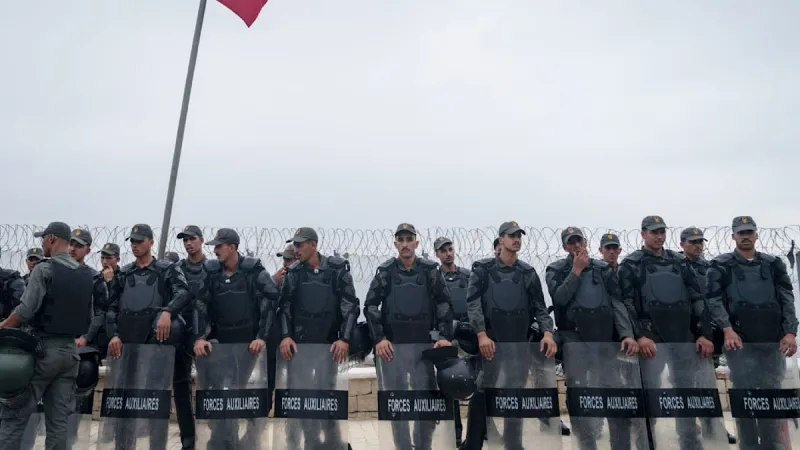
CEUTA, Spain – Spanish authorities have substantially bolstered security measures in the autonomous city of Ceuta following the successful thwarting of an initial mass migrant attempt from Morocco. The strategic enclave, one of two Spanish territories bordering North Africa, remains on high alert amid expectations of a renewed influx of migrants.
The heightened vigilance comes as a direct response to intelligence indicating a potential for large-scale border crossings. The first concerted effort by migrants to breach the perimeter was impeded, according to reports from Spain-based correspondent Miguel Posada, who closely monitors developments along the contentious frontier.
Ceuta, alongside Melilla, represents the European Union's only land border with Africa, making it a perennial flashpoint for migration. Its fortified fences, equipped with barbed wire and surveillance technology, are frequently challenged by individuals and groups seeking entry into Europe.
The recent incident underscores the persistent pressure on this vital border, where thousands of migrants, primarily from sub-Saharan Africa, often congregate on the Moroccan side, awaiting opportunities to cross.
Spanish security forces, including the Civil Guard and National Police, have deployed additional personnel and resources to key areas along the perimeter. This reinforcement aims to prevent any large-scale breaches and ensure the integrity of the border infrastructure.
The strategy involves not only physical deterrence but also enhanced intelligence gathering and coordination with Moroccan counterparts. The effectiveness of these measures was evident in the swift response to the initial attempt.
This latest incident follows a pattern of such surges. Previous reports, including analyses like Morocco Thwarts Hundreds of Migrants at Ceuta Border, highlight the continuous challenge posed by migration attempts and the collaborative efforts required to manage them.
Migrants often face perilous journeys and challenging conditions, driven by economic hardship, political instability, and conflict in their home countries. Their determination to reach European soil frequently leads to desperate measures at the Ceuta border.
Diplomatic relations between Spain and Morocco are crucial in managing these migratory flows. Cooperation between the two nations involves joint patrols, information sharing, and efforts to dismantle human trafficking networks that facilitate these dangerous crossings.
The Spanish government has consistently reiterated its commitment to maintaining border security while upholding humanitarian principles. However, the sheer volume and persistence of these migration attempts continue to present a formidable operational and ethical challenge.
Authorities anticipate further attempts by migrant groups in the coming days and weeks, necessitating sustained vigilance and robust security protocols. The situation remains fluid, with Spanish forces prepared for any eventuality at the strategically significant Ceuta frontier.