 Chandra Wijayanto
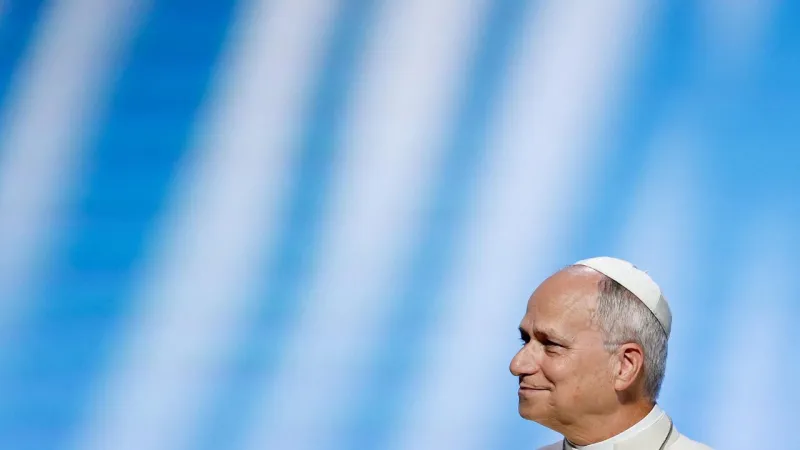
VATICAN CITY – Pope Francis delivered a potent warning to European nations today, cautioning against what he termed the “illusion of rearmament” amidst growing geopolitical tensions. His pronouncement arrived as French President Emmanuel Macron notably reordered his schedule to attend a significant Mass in Metz, underscoring a complex interplay between spiritual guidance and secular leadership within the continent's evolving security landscape.
The pontiff's message, directed broadly at European leaders and their citizens, represents a poignant plea for diplomacy, dialogue, and genuine peace. He emphasized that true security cannot be achieved solely through an arms race or military escalation, which often creates a false sense of stability while escalating underlying conflicts and diverting attention from root causes of unrest.
These remarks come at a critical juncture for Europe in 2026, as numerous nations continue to reassess their strategic defense postures in response to ongoing global instability. There is a discernible trend towards increased defense spending and military strengthening across the continent, aimed at bolstering deterrence and preparedness.
However, Pope Francis voiced a profound concern that an exclusive or over-reliance on military buildup could lead to substantial resource diversion. Such an allocation might compromise crucial investments in pressing social, economic, and humanitarian needs, thereby potentially exacerbating internal fragilities within European societies.
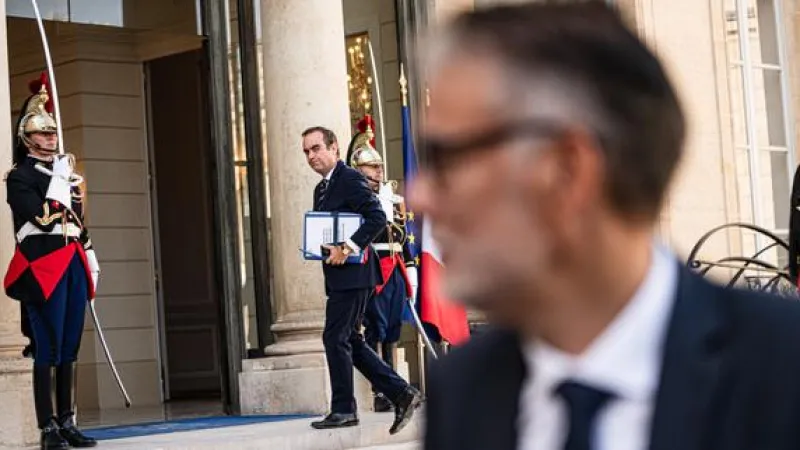
Concurrently, French President Emmanuel Macron's attendance at Mass in Metz drew considerable attention. The Elysée confirmed his presence, specifically noting that the president's agenda had been “reorganized” to accommodate this visit.
The symbolism of a secular head of state like Macron making such a public religious appearance, especially one requiring an altered schedule, is not lost on observers. It often carries significant political weight, projecting an image of unity or appealing to particular segments of the electorate.
Macron's public engagement might also be viewed in the context of persistent domestic challenges his administration faces. The internal dissent and social unrest, as seen in events like French High School Blockades Escalate, often prompt leaders to seek opportunities for demonstrating national cohesion or addressing broader societal concerns.
Furthermore, the French political landscape continues to evolve, with opposition forces gaining ground. The National Rally Securing Historic Senate Group Status in France underscores the dynamic political environment within which President Macron operates, potentially influencing his public appearances and strategic communications.
Returning to the Pope's broader message, it serves as a universal call for Europe to prioritize human dignity and the common good above purely military objectives. He urged leaders to meticulously consider the long-term implications of an arms-focused strategy, advocating for sustainable peace built on justice and solidarity.
This papal intervention aligns with the Vatican's historical role in advocating for peace and cautioning against unbridled militarism. The current message stands as a consistent continuation of this tradition, urging a moral reflection on defense policies.
The tension between immediate security imperatives driving European rearmament efforts and the Pope's moral appeal for a different, more peaceful path remains a critical challenge for the continent as it navigates the complexities of global affairs in 2026.