 Demian Sahputra
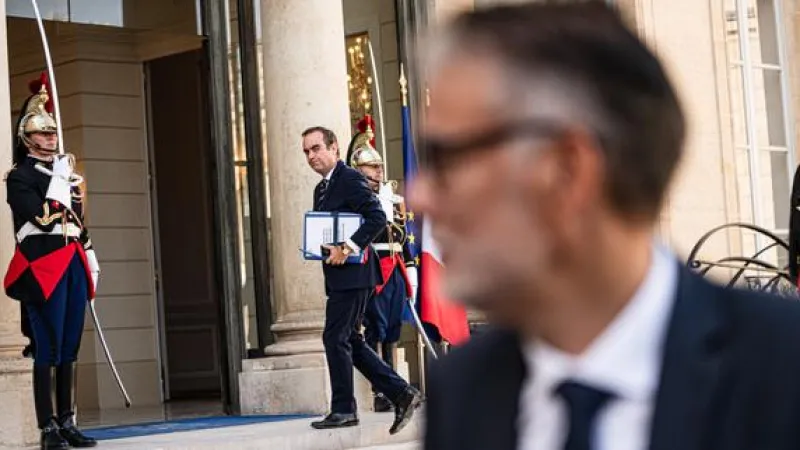
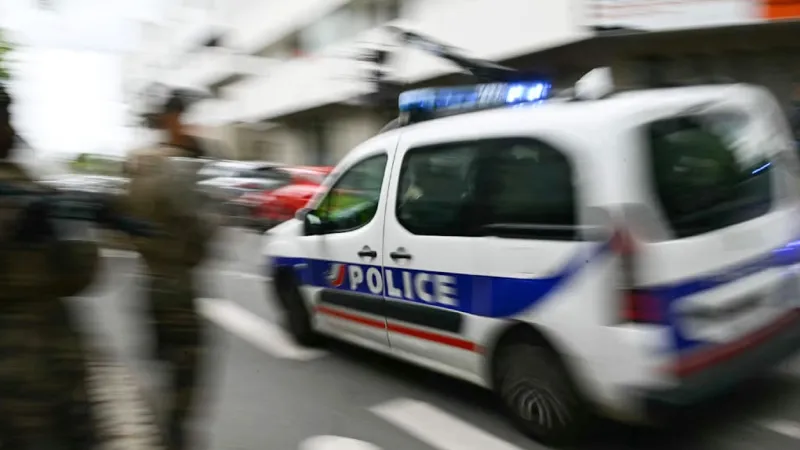
Paris, France – A growing wave of high school blockades, primarily concentrated in the Parisian suburbs, has triggered a fervent political showdown between the French government and the left-wing opposition party La France Insoumise (LFI). The escalating student actions prompted Sébastien Lecornu, a prominent government minister, to publicly accuse LFI of "irresponsible escalation," a charge swiftly countered by LFI leader Jean-Luc Mélenchon, who denounced the government's response as "repression." The unrest, which saw actions expand on Friday, resulted in approximately ten lycées being blocked as of Monday, according to M. Geffray, speaking on RMC.
The blockades signify a renewed period of student activism and social friction in France, challenging educational authorities and the national police. While specific demands from the protesting students have not been widely detailed in this immediate context, such actions often stem from grievances over educational reforms, funding cuts, or broader social policies. The government views these disruptions as an undue interference with the right to education.
Minister Lecornu's strong condemnation targets LFI, suggesting the party is deliberately fanning the flames of discontent among youth. This accusation aligns with a long-standing political narrative where the government frequently imputes responsibility for social unrest to opposition parties, particularly those on the far left, for allegedly exploiting student or labor grievances for political gain.
Conversely, Jean-Luc Mélenchon's retort positions LFI as defenders of student expression against what he characterizes as heavy-handed government tactics. His use of the term "repression" implies an authoritarian approach to managing dissent, echoing past criticisms leveled against French administrations during periods of intense social protest. This rhetorical strategy aims to mobilize public sympathy for the students and critique the government's perceived failure to address underlying issues.
The geographic concentration of the blockades in the suburbs of Paris points to potential localized grievances or a strategic choice by organizers to maximize visibility and impact in the capital region. High school blockades often serve as a potent symbol of student power and can quickly garner media attention, forcing political actors to respond.
M. Geffray's Monday statement on RMC, confirming "about ten" blocked high schools, provides a concrete measure of the immediate scale of the disruption. This figure, though relatively small in the national context, represents a significant level of coordinated action, indicative of organized efforts behind the student movement.
The current climate of political tension in France provides fertile ground for such confrontations. Recent years have seen numerous large-scale protests and strikes over pension reforms, economic policies, and social justice issues. The government of President Emmanuel Macron has often faced accusations of being out of touch with public sentiment, while opposition parties, including LFI, have sought to channel public discontent.
These events unfold against a backdrop of evolving political dynamics. For example, the National Rally securing historic Senate group status in France illustrates a broader shift in the political landscape, potentially intensifying the stakes for all parties involved in public debates. Each protest becomes a battleground not just for policy, but for political legitimacy and influence.
The educational impact of these blockades is a serious concern for students preparing for crucial examinations and for parents seeking continuity in their children's learning. Authorities typically stress the importance of maintaining access to education and often deploy law enforcement to clear blockaded entrances, leading to potential confrontations.
As the standoff continues, the rhetoric from both the government and LFI is likely to intensify. The government will aim to restore order and portray the blockades as unlawful disturbances, while LFI will likely continue to frame its support for the students as upholding democratic rights against an overreaching state. The resolution of these school blockades will depend on a delicate balance of negotiation, enforcement, and the evolving political will of the involved parties.