 Debby Wijaya
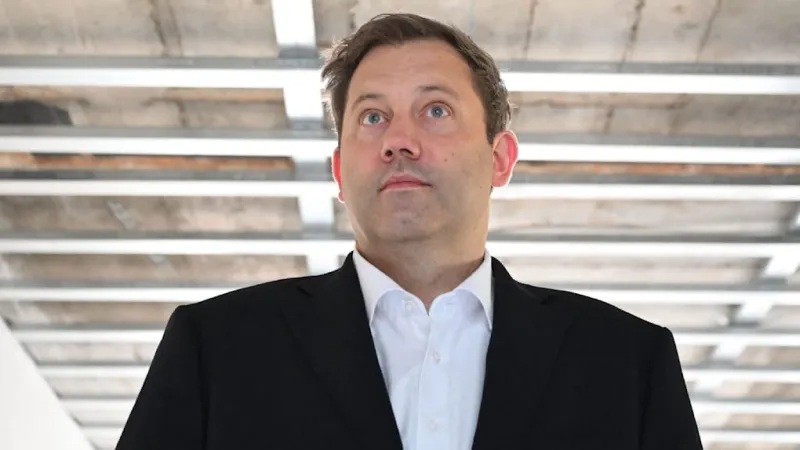
SPD Chairman Lars Klingbeil is spearheading a significant reform initiative, proposing that self-employed individuals, new civil servants, and active politicians contribute to Germany's statutory pension system. This move aims to bolster the financial stability of the public pension scheme, echoing earlier recommendations made by a national pension commission.
Klingbeil's proposal represents a fundamental shift in Germany's approach to social security. By expanding the base of contributors, the Social Democratic Party leader seeks to address the looming challenges posed by demographic changes and the sustainability of the current pay-as-you-go retirement model.
The initiative directly references the findings of a previous expert commission tasked with reviewing the long-term viability of the German pension system. This commission had similarly suggested integrating a broader spectrum of the workforce into the statutory scheme to ensure its future solvency.
Germany's demographic landscape presents considerable pressure on its pension system. A declining birth rate combined with an increasing life expectancy means fewer contributors are supporting a growing number of retirees, creating a widening fiscal gap that demands proactive solutions.
Historically, civil servants in Germany have been exempt from contributing to the statutory pension system, instead benefiting from a separate, state-funded pension scheme. Self-employed individuals also largely operate outside this system, often relying on private provisions or voluntary contributions.
The inclusion of the self-employed would mark a significant policy change, potentially mandating contributions for a diverse group ranging from freelance professionals to small business owners. This could be met with both support for increased security and opposition over perceived additional financial burdens.
For new civil servants, the shift would align their retirement provisions more closely with those of private sector employees. This move could simplify the overall pension architecture, though it might face resistance from unions representing public sector workers.
Moreover, requiring politicians to contribute to the statutory pension system rather than separate, often more generous, schemes could resonate positively with the public, signaling a commitment to shared responsibilities within the social security framework.
The debate surrounding pension reform is not new in Germany. Various governments have grappled with adjustments to contribution rates, retirement ages, and benefit levels in an effort to maintain balance within the system. Klingbeil's proposal adds a new dimension by targeting specific, previously exempted groups.
Implementing such a sweeping reform would necessitate delicate negotiations within Germany's ruling coalition, comprising the SPD, the Greens, and the Free Democratic Party. Each party holds distinct views on economic and social policy, making consensus a complex endeavor.
Economists and social policy experts have long advocated for a broader contributory base as a key measure to stabilize pension systems across Europe. Germany's current model, while robust, faces similar pressures to those observed in other industrialized nations.
The objective is to ensure intergenerational fairness, preventing younger generations from bearing an disproportionately heavy financial load to support the retirement of their elders. A more inclusive system could distribute this burden more equitably.
Public discourse on the issue is expected to intensify as the details of Klingbeil's proposal become clearer. Stakeholders, including employer associations, trade unions, and senior citizens organizations, will undoubtedly weigh in on the potential ramifications.
Ultimately, the proposal underscores the ongoing national conversation about how Germany will adapt its social welfare state to the realities of the 21st century, ensuring security and stability for all its citizens in their later years.