Gabriella
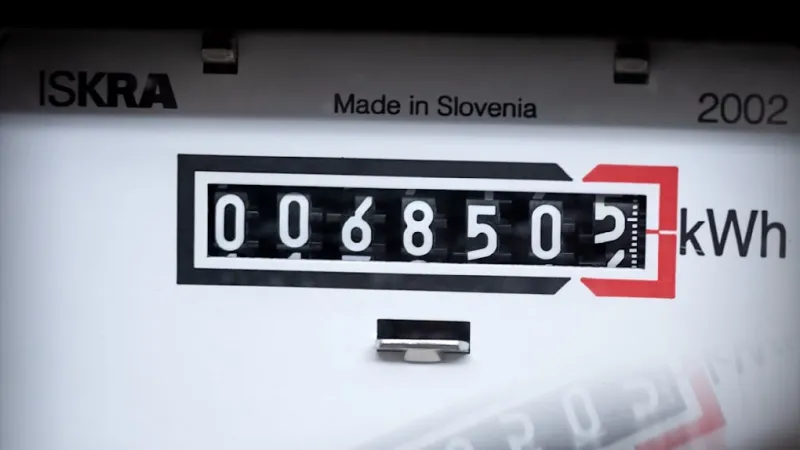
BERLIN – Germany now faces the unenviable distinction of possessing the highest electricity prices among all G20 states, a new analysis by energy comparison portal Verivox reveals. Consumers in the economic powerhouse are paying a steep 35.6 cents per kilowatt-hour, a figure that dramatically outstrips the average of its fellow leading economies and is approximately double the cost seen in some major industrial nations like France and the United States.
The findings, made public recently, underscore a persistent challenge for German households and businesses. The significant disparity in energy costs presents a formidable hurdle, particularly for energy-intensive industries crucial to the nations robust manufacturing sector. This substantial financial burden on German consumers and enterprises could potentially stifle economic growth and diminish international competitiveness.
Verivoxs comprehensive study meticulously compared electricity prices across the Group of Twenty nations, an assembly of the world's major advanced and emerging economies. The analysis highlighted Germany's unique position at the apex of the cost spectrum, a standing it has largely maintained for several years. The core components contributing to these elevated prices include a complex interplay of taxes, levies, and grid charges, which collectively constitute a significant portion of the final bill.
One of the primary drivers often cited for Germany's high electricity rates is its ambitious “Energiewende,” or energy transition. This long-term strategy aims to shift the country's energy supply entirely to renewable sources, phasing out nuclear and fossil fuel power generation. While lauded for its environmental goals, the costs associated with developing and integrating renewable infrastructure, along with subsidies for green energy, have largely been passed on to consumers.
The chasm between German electricity prices and those in other large economies is particularly striking. For instance, France, a neighboring G20 member, benefits from a substantial proportion of nuclear power, which typically offers more stable and lower generation costs. The United States, with its diverse energy mix including abundant natural gas, also enjoys significantly lower electricity tariffs.
This persistent price differential raises critical questions about Germany's long-term energy strategy and its economic implications. Businesses, particularly those with high energy consumption, may find themselves at a disadvantage when competing with international counterparts operating in countries with more affordable power. This could influence investment decisions and potentially lead to industrial relocations, a prospect that deeply concerns policymakers.
For average German households, the high cost of electricity translates directly into reduced disposable income. Energy bills represent a non-negotiable expense, and their upward trajectory places increasing pressure on household budgets, especially during periods of broader economic uncertainty. This situation contributes to a climate of economic apprehension among the populace.
The political landscape in Germany has also begun to reflect public dissatisfaction with these elevated costs. Parties across the political spectrum are grappling with solutions, ranging from calls for tax reductions on electricity to accelerated investment in alternative energy storage and grid optimization technologies. The issue remains a prominent talking point in domestic policy debates.
The AfD's rising popularity in Germany, as some analyses suggest, may also be indirectly linked to voter frustration over such fundamental economic burdens. Public sentiment often links high living costs, including energy, to broader governmental policies, fostering discontent.
Experts suggest that a multi-pronged approach will be necessary to alleviate the burden of high electricity prices. This could include a reevaluation of the tax and levy structure, enhanced efficiency measures, and further integration of European energy markets to leverage cross-border supply efficiencies. Innovation in energy storage and smart grid technologies is also crucial for stabilizing prices as renewable energy penetration increases.
Looking ahead to 2026, the German government faces continued pressure to address this issue effectively. While the commitment to a sustainable energy future remains strong, balancing environmental aspirations with economic realities for consumers and businesses will be paramount. The Verivox analysis serves as a stark reminder of the ongoing challenge and the imperative for actionable policy adjustments.
The disparity in electricity prices between Germany and its G20 peers like the United States, under President Donald Trump, highlights differing approaches to energy policy and resource utilization. While Germany commits to green transition, other nations often prioritize cost stability through diverse energy portfolios. This divergence presents a complex geopolitical economic dynamic in the global energy market.
The impact extends beyond mere numbers; it influences public confidence and national competitiveness. Addressing the root causes of Germany's unparalleled electricity prices will require careful economic planning and political resolve to ensure both sustainability and affordability for its citizens.