 Dorry Archiles
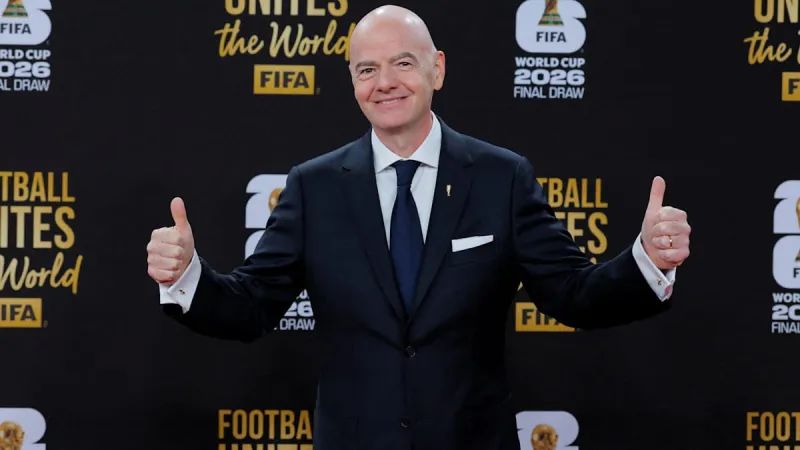
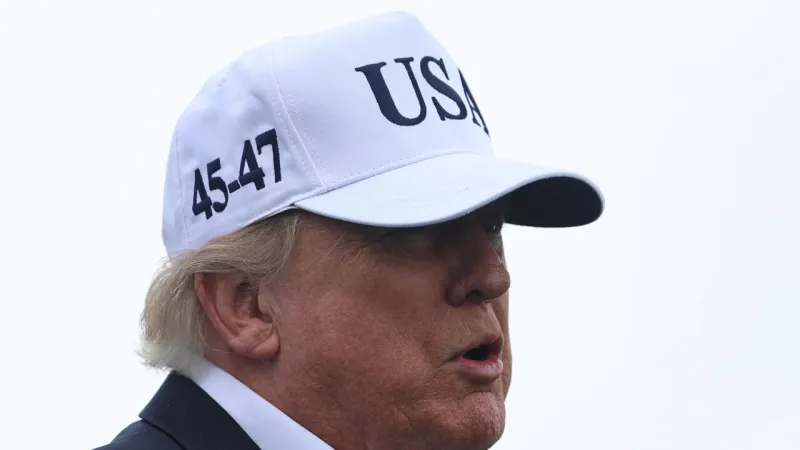
FIFA President Gianni Infantino is reportedly pursuing an ambitious plan to divest significant financial stakes in the highly lucrative FIFA World Cup to private investors, a strategic move anticipated to generate billions in capital. Sources familiar with the ongoing discussions indicate that prominent figures within the sphere of United States President Donald Trump have already been engaged regarding these substantial investment opportunities.
This initiative marks a potentially transformative shift in how footballs premier global tournament is financed and managed. While specific details about the nature of the stakes remain closely guarded, the proposition suggests a partial commercialization of the World Cups revenue streams, such as broadcasting rights, sponsorship agreements, and merchandising.
The global governing body for football, under President Infantino's leadership, has consistently sought innovative avenues for revenue generation and investment to support its extensive development programs across member associations worldwide. This latest proposal underscores an intensified focus on leveraging the World Cups immense commercial appeal.
Sources suggest the engagement of individuals connected to President Donald Trump points to a high-level strategic outreach, targeting influential and well-capitalized investor groups. The involvement of such a prominent political orbit could signal a broader geopolitical dimension to the football investment landscape.
The FIFA World Cup stands as one of the most watched sporting events globally, attracting billions of viewers and generating massive economic activity for host nations and commercial partners. The sale of any portion of these rights would undoubtedly command an astronomical valuation, reflecting the tournament's unparalleled prestige and market reach.
Previous discussions around external investment in football assets have often been met with varying degrees of scrutiny, particularly regarding transparency, governance, and the potential impact on the sport's traditional structures. Any such deal would necessitate careful navigation of FIFA's complex internal political dynamics and its diverse confederations.
For investors, acquiring a stake in the FIFA World Cup represents access to a uniquely powerful global brand with proven resilience and growth potential. The long-term nature of such an investment would align with the cyclical quadrennial nature of the tournament, offering sustained returns.
The move aligns with a broader trend across global sports, where major leagues and events increasingly explore partnerships with private equity and institutional investors to unlock new capital and expertise. Such collaborations aim to enhance product delivery, expand audiences, and optimize commercial operations.
While the full scope of the proposal has yet to be publicly detailed, its mere emergence signals FIFA's proactive stance in adapting its financial model to a rapidly evolving global economy. The substantial capital raised could be earmarked for new infrastructure projects, grassroots development, or to fortify FIFA's financial reserves.
The involvement of figures close to President Trump further highlights the growing convergence of sports, business, and international politics. These discussions, while preliminary, underscore the monumental financial and strategic implications surrounding the future commercialization of the World Cup.
Observers of global football governance will closely monitor how this proposal advances, particularly concerning the extent of investor involvement and the assurances FIFA will provide to maintain the sporting integrity and global accessibility of its flagship event. The coming months are expected to bring further clarity on this potentially groundbreaking financial endeavor for the FIFA World Cup.
This strategic push by President Infantino is poised to reshape financial expectations for future tournaments, as FIFA seeks to solidify its economic foundations and expand its influence through partnerships that tap into the world's most robust capital markets.