Gabriella
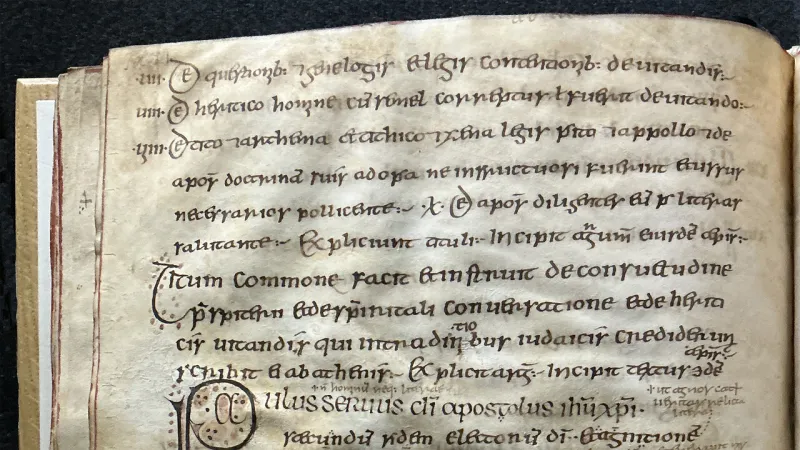
Scientists have unearthed the ancient DNA of the ovine smallpox virus from medieval texts, tracing the lethal pathogen's impact on livestock across 3,700 years. This significant discovery sheds new light on the historical epidemiology of a disease that continues to challenge agricultural health, despite posing no threat to humans. The research, conducted by an international team, utilized advanced genomic techniques to extract genetic material previously considered lost to time.
This groundbreaking investigation, detailed in a recent scientific publication, provides an unprecedented timeline for a pathogen long familiar to veterinary science. By recovering genetic fragments from centuries-old parchment, researchers have reconstructed a clearer picture of the virus's evolutionary journey and geographical spread throughout antiquity.
The methodology involved meticulous extraction of minuscule DNA traces embedded within the fibers of historical manuscripts. These texts, once thought merely repositories of human knowledge, now serve as invaluable biological archives, preserving genetic signatures of ancient microbial life that interacted with their environment, including the animals from which parchment was derived.
Ovine smallpox, a highly contagious viral disease, primarily affects sheep and goats. It manifests with fever, skin lesions, and internal organ damage, often leading to severe economic losses for agricultural communities due to high morbidity and mortality rates among infected animals.
Crucially, the virus is species-specific and poses no known risk to human health. This distinction is vital for public understanding, differentiating it from human smallpox, a eradicated disease with a devastating historical impact on mankind.
The findings confirm that the ovine smallpox virus has afflicted livestock for at least 3,700 years, pushing back previous estimates of its antiquity. This deep historical perspective offers critical insights into how the virus has adapted over millennia, enduring various environmental and demographic shifts in livestock populations.
Understanding the ancient strains and their genetic makeup can inform contemporary efforts in vaccine development and disease control. By comparing ancient viral sequences with modern ones, scientists can identify key evolutionary changes and potential vulnerabilities in the pathogen, bolstering biosecurity measures against future outbreaks.
The study exemplifies the emerging field of paleovirology, where cutting-edge genomic tools merge with historical and archaeological research. This interdisciplinary approach unlocks secrets held within historical artifacts, offering a molecular window into past epidemics and the co-evolution of pathogens and their hosts.
Researchers suggest that countless other viral histories may lie dormant within historical documents, awaiting discovery. This success story encourages further exploration of museum collections, archaeological sites, and ancient archives as potential goldmines for understanding the long-term dynamics of infectious diseases.
Ultimately, the ability to pull genetic data from such unexpected sources underscores the innovative spirit of scientific inquiry. It bridges the chasm between ancient history and modern biology, providing invaluable context for managing current and future threats to animal health worldwide.