Debby Wijaya
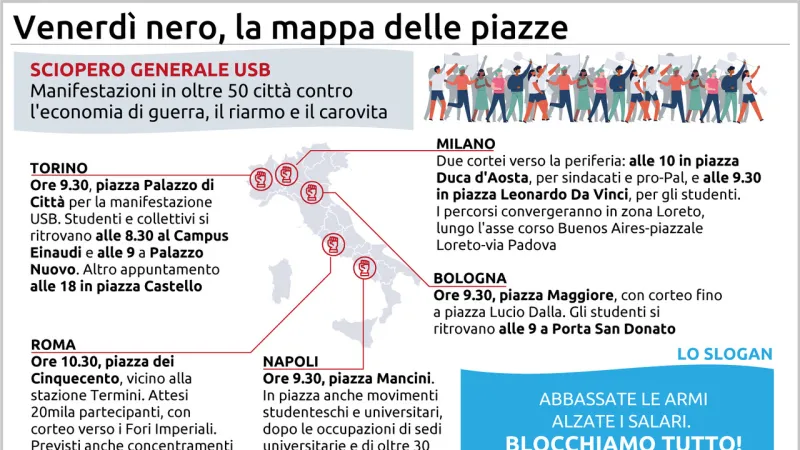
ROME – A looming general strike is set to paralyze Italy as unions mobilize nationwide, prompting swift and assertive action from the government. Transport Minister Matteo Salvini has moved to requisition essential public transport services, while the Interior Ministry has issued a forceful warning, declaring its intent to isolate and neutralize any violent elements during planned demonstrations across major Italian cities.
The impending industrial action, encompassing various sectors from public services to manufacturing, stems from deep-seated labor grievances. While specific demands vary, common themes include calls for improved wage conditions, enhanced worker protections, and a robust response to the rising cost of living, which has significantly impacted Italian households in recent years.
Minister Salvini's decision to requisition transport services underscores the administration's determination to mitigate disruption and ensure essential connectivity for citizens. This extraordinary measure, permissible under Italian law in cases of public necessity, aims to guarantee minimum service levels for commuters and long-distance travelers, thereby preventing a complete standstill of the nation's infrastructure.
Concurrently, the Interior Ministry, led by its current chief, communicated a clear message to organizers and potential participants. A spokesperson stated, "While the right to protest is fundamental in a democratic society, acts of vandalism or violence will not be tolerated. We will deploy all necessary forces to ensure public order and isolate those who seek to exploit legitimate grievances for destructive ends."
General strikes are not uncommon in Italy's history of labor relations, often serving as a powerful tool for unions to exert pressure on governments and employers. However, the current government's preemptive measures, particularly the transport requisition and explicit warnings against violence, signal a more stringent approach to managing public dissent than observed in some past instances.
The scale of the planned general strike, expected to affect schools, healthcare, and various public and private enterprises, threatens significant economic fallout. Businesses anticipate considerable losses, while daily life for millions of Italians will face unprecedented disruption, forcing many to alter work and travel plans drastically.
Union federations, while acknowledging the government's authority to ensure public safety, have largely condemned the requisitioning of services as an overly aggressive tactic. Representatives argue that such actions undermine the constitutional right to strike and escalate tensions rather than foster constructive dialogue between labor and the state. They assert their commitment to peaceful protest.
This confrontation between the government and organized labor carries substantial political weight. It tests the administration's ability to balance public order with democratic freedoms and could shape future industrial policy. The outcome may influence public perception of the government's strength and its handling of domestic challenges, particularly as the nation grapples with complex economic recovery efforts.
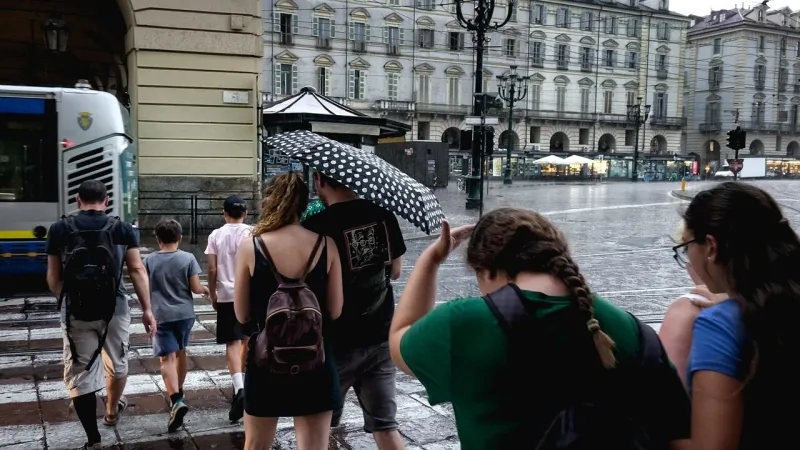
Public sentiment remains divided. While some citizens express frustration over the anticipated disruptions, others sympathize with the workers' demands, feeling the pinch of inflation themselves. Many are making contingency plans, arranging alternative transportation or working remotely where possible, in preparation for the widespread impact of the strike.
This national moment of industrial strife also draws attention to broader economic discussions within Italy. The nation continues its efforts to bolster its urban economies and foster sustainable growth. Initiatives like the Bari Summit Charts New Course for Italian Urban Economies highlight the ongoing focus on revitalization, which could be jeopardized by prolonged periods of unrest. The government faces the delicate task of addressing worker concerns without derailing these crucial development plans.
As the countdown to the general strike begins, all eyes remain on Italy. The efficacy of Salvini's transport requisition, the Interior Ministry's resolve to maintain order, and the solidarity of striking workers will define this critical juncture for the nation's labor relations and political landscape. The balance between fundamental rights and public service provision hangs precariously.