 Edward DP Situmorang
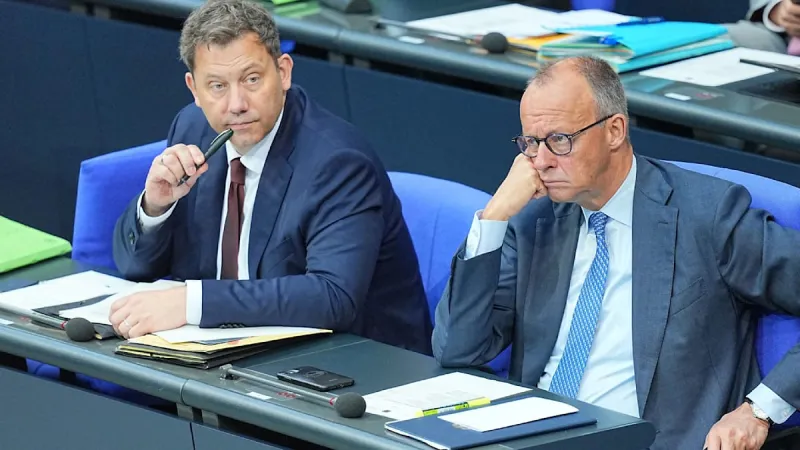
Berlin – Germany's governing coalition, a formidable alliance between the Christian Democratic Union (CDU)/Christian Social Union (CSU) and the Social Democratic Party (SPD), is facing an acute reform deadlock on key policy fronts, including pensions, healthcare, and taxation. This paralysis comes just weeks before the Bundestag's summer parliamentary recess, casting a pall over the government's ability to deliver on its ambitious agenda.
Deep-seated disagreements between the coalition partners have stalled progress, leaving the public with unfulfilled expectations despite earlier promises of comprehensive modernization. The friction points underscore fundamental ideological differences that continue to plague consensus-building within the federal government.
The pension system, a cornerstone of social security, remains a significant area of contention. While both parties acknowledge the demographic challenges posed by an aging population, their proposed solutions for ensuring long-term financial stability diverge sharply, hindering any legislative breakthrough. The SPD advocates for strengthening statutory pensions, while the Union frequently emphasizes individual provisions and a more diversified retirement landscape.
Similarly, healthcare reform is mired in partisan debate. Discussions around funding mechanisms, digitalization of patient records, and equitable access to medical services have reached an impasse. The complexities of Germany's multi-payer system present a formidable challenge that the coalition has, thus far, struggled to overcome collaboratively.
Taxation policy also exemplifies the coalition's internal strife. The Union generally favors tax relief for businesses and high earners to stimulate economic growth, whereas the SPD pushes for greater social equity through progressive tax adjustments. These contrasting philosophies make finding common ground on fiscal reform exceedingly difficult, impacting the broader economic outlook.
Public expectations were considerably raised following the coalition agreement, which outlined a detailed roadmap for national development. However, the current state of legislative stagnation threatens to erode public trust in the government's capacity to govern effectively and decisively.
Political analysts observe that these intra-party conflicts are symptomatic of the inherent tensions in a grand coalition, where compromises often prove elusive. The pressure to present a united front before the recess intensifies, but concrete solutions remain conspicuously absent from the political discourse.
This legislative gridlock extends beyond domestic policy, potentially impacting Germany's standing on the international stage. A government perceived as struggling with internal cohesion may find its influence diminished in critical European and global discussions.
The inability to move forward on these vital reforms also casts a shadow over the stability of the current administration. While direct threats to the coalition's existence are not yet apparent, prolonged inaction could fuel public discontent and empower opposition parties.
The Bundestag itself has been the stage for these ongoing struggles, a symbol of the democratic process where consensus is forged or, in this case, found wanting. The challenges facing the legislative body also extend to security, as evidenced by recent concerns about potential threats to the German parliament. For more on this, read about Germany's Bundestag Under Drone Threat, Minister Warns of Growing Risk.
With the summer recess looming, the window for meaningful legislative action is rapidly closing. Observers suggest that without a significant shift in approach or a renewed commitment to compromise, the government risks entering the break with a legacy of unfulfilled promises and persistent policy paralysis.
The next parliamentary session will undoubtedly open with renewed scrutiny on the coalition's ability to overcome these entrenched divisions. The imperative for decisive action on reforms becomes more urgent with each passing week, as the nation anticipates tangible solutions to its most pressing challenges.