 Debby Wijaya
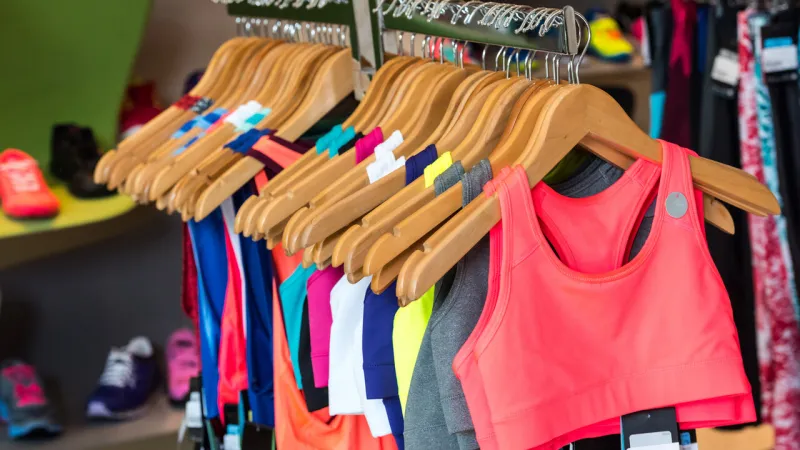
A recent groundbreaking study has unveiled that athletic apparel significantly influences an athletes psychological state, extending beyond mere physical performance to profoundly impact mindset and self-esteem. The research, which delved into the mental and emotional dimensions of sportswear, suggests that the attire itself serves as a crucial component of an athletes readiness and intrinsic motivation.
Traditionally, sportswear has been evaluated primarily on its functional merits: breathability, flexibility, compression, and durability. However, this new investigation shifts the paradigm, asserting that the psychological boost derived from wearing specific athletic gear is as vital as its material properties in determining an athletes overall experience and potential for success.
The findings indicate a strong correlation between the chosen attire and an athletes mental preparation. Researchers posited that donning specialized athletic wear initiates a psychological transformation, signaling to the brain that it is time for rigorous activity. This mental shift can enhance focus, reduce distractions, and prime the individual for optimal engagement in their sport or workout regime.
A key aspect highlighted by the study is the concept of perceived professionalism. When athletes wear high-quality, purpose-designed sportswear, they often experience an elevated sense of identity congruent with their athletic aspirations. This perception fosters a powerful internal narrative of capability and seriousness, directly contributing to heightened self-esteem.
This psychological phenomenon, sometimes termed enclothed cognition, suggests that the symbolic meaning of clothing can influence cognitive processes and behavior. For an athlete, the uniform or training kit is not merely fabric; it embodies commitment, discipline, and the pursuit of excellence.
Furthermore, the research underscores how the aesthetic appeal of sportswear plays an unexpected role. Feeling good about ones appearance, even in a performance context, can bolster confidence. This confidence translates into a more assertive approach to training and competition, creating a virtuous cycle of positive self-perception and improved effort.
The impact extends beyond individual psychology to potentially influence team dynamics and competitive environments. A unified, professional appearance can foster cohesion and present a formidable front to opponents, implicitly conveying strength and preparedness.
For professional athletes, where marginal gains often separate victory from defeat, leveraging the psychological benefits of sportswear becomes another strategic advantage. The mental edge provided by feeling optimally equipped can be as critical as physical conditioning or tactical planning. This principle holds true across various disciplines, from individual pursuits to team sports, including the intense rivalries seen in European football leagues such as Serie A.
Amateur enthusiasts and everyday gym-goers also reap these benefits. The act of selecting and wearing appropriate athletic attire can serve as a motivational trigger, making the prospect of exercise more appealing and sustaining adherence to fitness goals. It transforms a routine chore into a purposeful endeavor.
The study urges manufacturers and designers to consider these psychological dimensions during product development. Beyond ergonomic and material innovations, incorporating design elements that resonate with an athletes self-perception and motivational needs could unlock new avenues for market differentiation and consumer engagement.
According to Dr. Elena Rossi, lead researcher on the project, the findings are clear: "Our data unequivocally shows that sportswear acts as a psychological catalyst. It is not just about what the fabric does for your body, but what it does for your mind. Athletes who feel professional, confident, and mentally prepared through their attire often exhibit superior self-efficacy."
This re-evaluation of athletic apparel calls for a holistic understanding of athletic preparation, where mental fortitude and self-belief are cultivated alongside physical prowess. Sportswear, once seen as a passive accessory, emerges as an active agent in shaping an athletes psychological landscape.
The implications stretch into sports education and coaching methodologies. Integrating discussions about the psychological power of attire could become a standard part of athlete development programs, empowering individuals to harness this often-overlooked motivational tool.
Future research will likely explore the nuances of these psychological effects across different sports, age groups, and cultural contexts. Understanding how diverse demographics respond to sportswear as a motivational element will provide deeper insights into human performance and self-perception.
In essence, the study validates a notion often instinctively felt by athletes: that the right gear makes a difference not just to their bodies, but fundamentally to their minds. It transforms simple clothing into a powerful psychological tool, integral to the journey of athletic achievement.