 Dorry Archiles
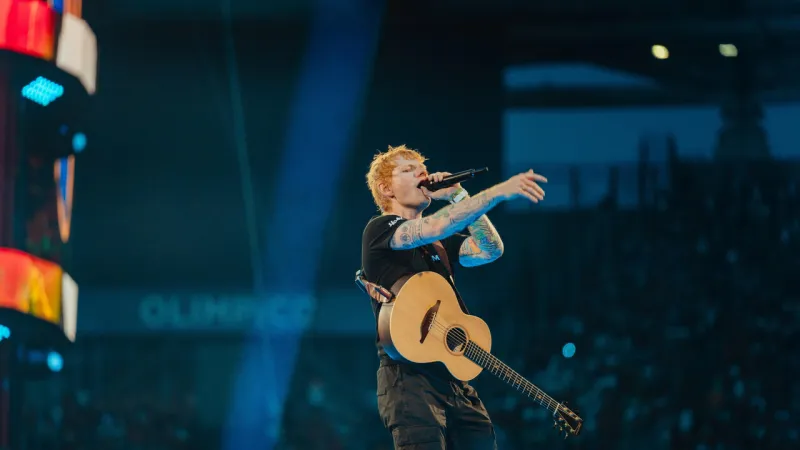
British pop sensation Ed Sheeran recently returned to the live stage, where he publicly addressed the escalating humanitarian crisis in Gaza, characterizing the situation as “unjustifiable.” His candid remarks coincided with a notable drop in ticket prices for his recent performance, signaling broader implications for his public persona and concert demand.
Sheeran, widely known for his chart-topping hits and generally apolitical public image, made the rare political statement during his show. He expressed profound concern for the civilian suffering, aligning himself with a growing chorus of global figures calling for de-escalation and humanitarian aid in the region.
The pop star's return follows a period described in some international media as a “storm” or “bufera,” though specific details surrounding this tumultuous phase remain largely undivulged by his representatives. This veiled reference suggests a preceding controversy or challenging personal and professional chapter.
A significant development accompanying his comeback was the dramatic reduction in concert ticket prices. What once commanded an average of 123 dollars plummeted to 67 dollars, representing a near 45% decrease. This markdown prompts questions about audience demand and the potential impact of recent events or shifting public sentiment on his tours.
Industry analysts are scrutinizing the ticket price adjustment, weighing whether it reflects a strategic move by promoters to broaden accessibility or a direct response to potentially waning enthusiasm, possibly exacerbated by the undisclosed “storm.” Such a sharp decline is uncommon for an artist of Sheeran's global stature, especially without prior notice of a promotion.
His open remarks on Gaza could be interpreted as an attempt to re-engage with a socially conscious audience or to utilize his immense platform for advocacy. High-profile endorsements or criticisms of international conflicts frequently carry substantial weight with both fans and the broader public, often sparking widespread discussion.
Sheeran is not the first celebrity to speak out on the situation in Gaza. Numerous artists and public figures across various industries have used their global platforms to comment on the conflict, often facing both fervent praise from supporters and sharp backlash from critics for their respective stances. This trend highlights the increasing role of cultural figures in global discourse.
While many might applaud his moral stance and willingness to address sensitive global issues, others could view it as an unnecessary foray into complex geopolitical matters. The ramifications of such public statements on an artist's career can be unpredictable, potentially influencing fan loyalty, future brand partnerships, and even tour logistics.
While primarily recognized for his prolific songwriting and musical performances, Sheeran has occasionally lent his support to various charitable causes, albeit typically without such direct and pointed political commentary. This recent statement marks a noticeable departure from his usual, more reserved approach to social engagement.
The ongoing discussions around the situation in Gaza form part of a larger global tapestry of challenges currently dominating international attention, mirroring the concerns frequently addressed at forums like the UN General Assembly, where global crises are a perennial focus.
The coming weeks will likely reveal the full extent of how Sheeran's comments resonate with his extensive fanbase and how the market responds to his forthcoming performances. Whether this marks a sustained shift in his public engagement or an isolated instance of impassioned commentary remains to be seen. The music industry will undoubtedly watch closely for any long-term effects.